AstronautAtlas
Search the complete archive…
Loading AstronautAtlas records
Program archive
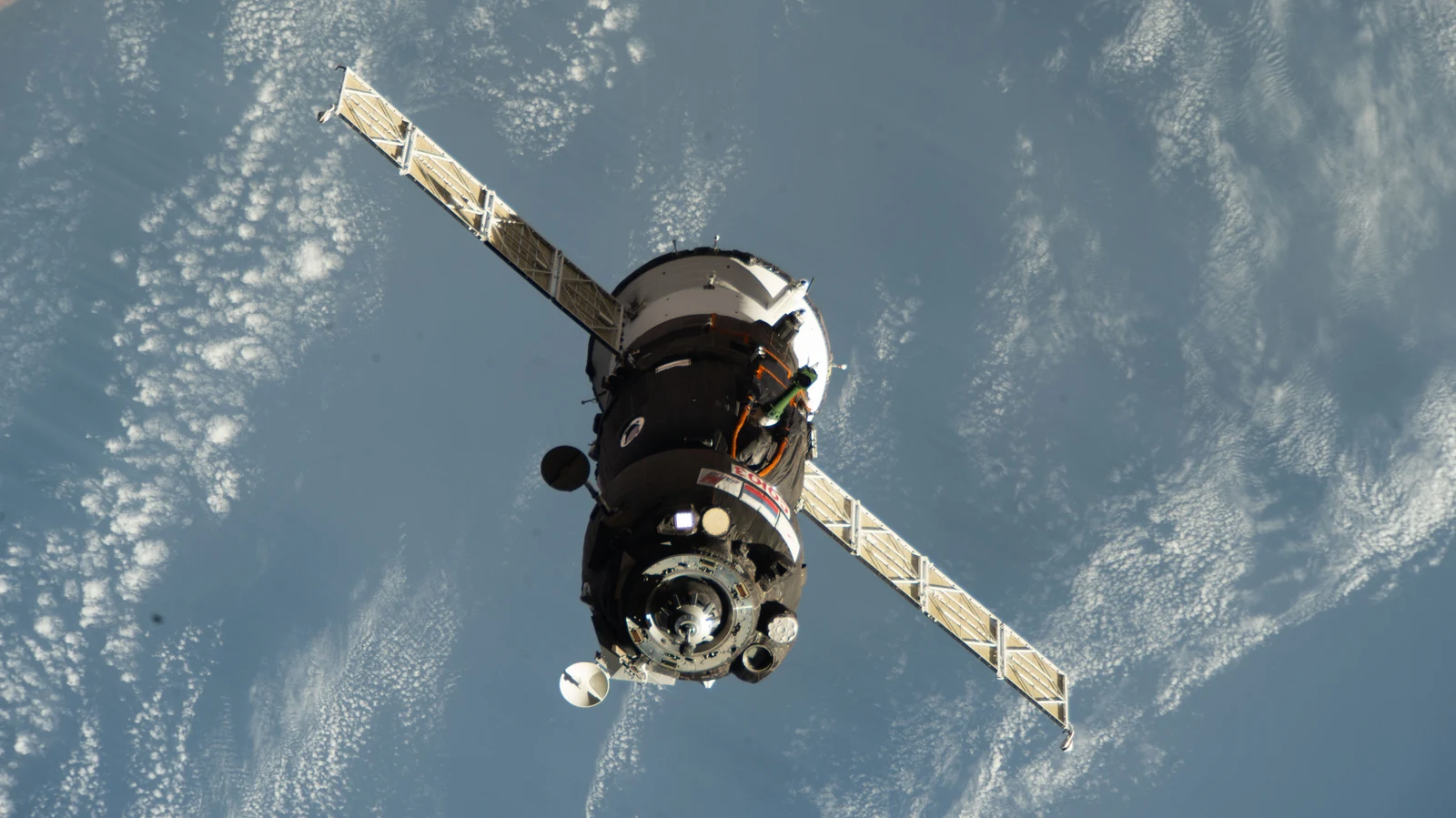
From the first-generation 7K-OK through Soyuz T, TM, TMA, and MS, Soyuz developed , docking, crew transfer, international cooperation, and reliable transportation across Salyut, Mir, and the ISS.
Explore this program
Choose a path through the Soyuz archive.

From the first-generation 7K-OK through Soyuz T, TM, TMA, and MS, Soyuz developed , docking, crew transfer, international cooperation, and reliable transportation across Salyut, Mir, and the ISS.
Core capabilities
Program story
Soyuz 1 ended with the death of Vladimir Komarov after parachute failures during landing. The loss halted crewed flights while the spacecraft was redesigned, and later missions methodically established rendezvous, docking, EVA transfer, formation flight, and longer endurance.
Soyuz 10 attempted the first crewed visit to Salyut 1 but could not complete a hard docking. Soyuz 11 successfully occupied the station, then ended in tragedy when the descent module depressurized during return. Subsequent two-person crews wore pressure suits during launch and landing.
The 7K-T and Soyuz T variants became dependable station transports. They supported civilian Salyut stations, military Almaz stations, international Interkosmos crews, and the transition from Salyut 7 to Mir.
Soyuz-TM introduced Kurs rendezvous for Mir, then Soyuz-TMA and Soyuz MS carried the design into regular International Space Station rotations. The archive now connects the complete Mir-era TM sequence with the later ISS transport flights.