AstronautAtlas
Search the complete archive…
Loading AstronautAtlas records
Program archive
Project Mercury established that astronauts could launch, work in space, survive orbital flight, and return safely—creating the operational foundation for Gemini and Apollo.
Explore this program
Choose a path through the Project Mercury archive.
26 mission-specific spacecraft and test articles, plus 10 launch systems and shared hardware records.
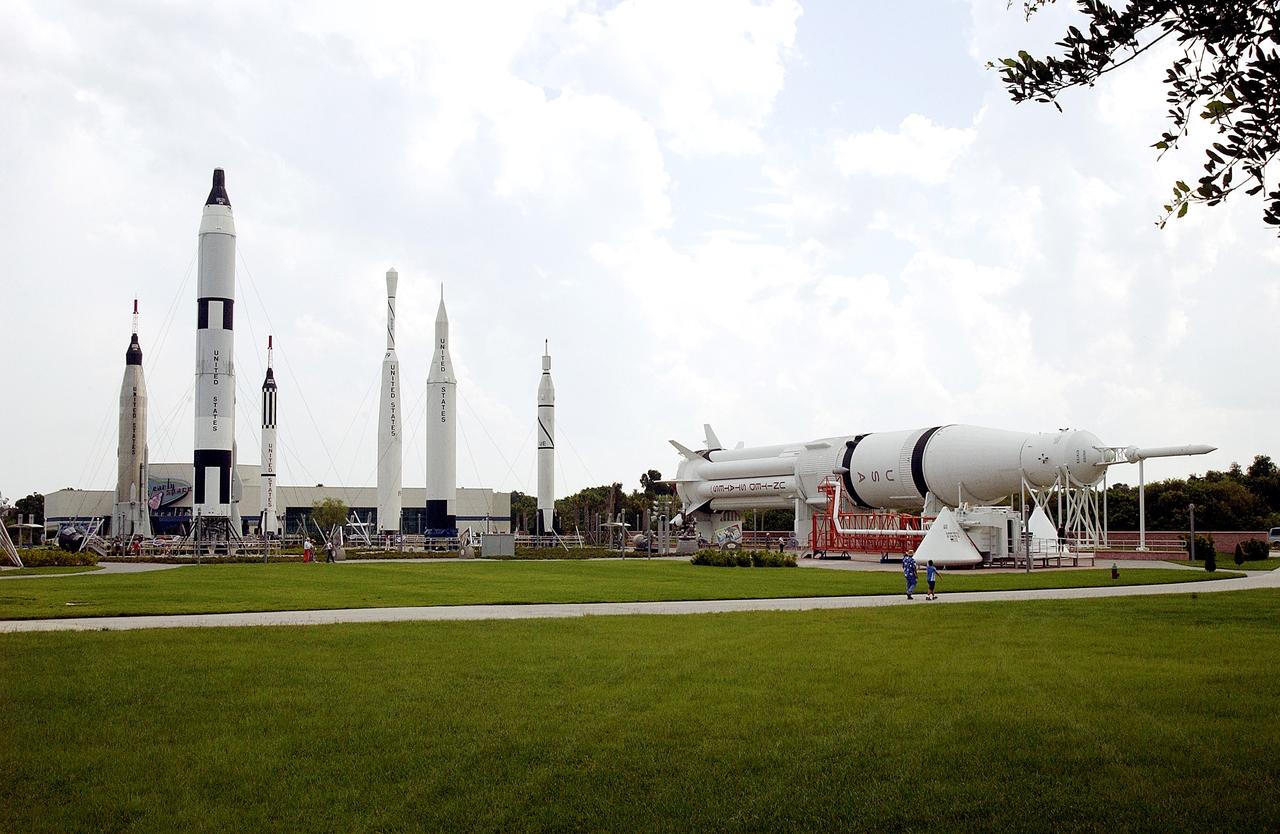 Atlas D orbital launch vehicle
Atlas 10-D supported Big Joe 1 in the Project Mercury program.
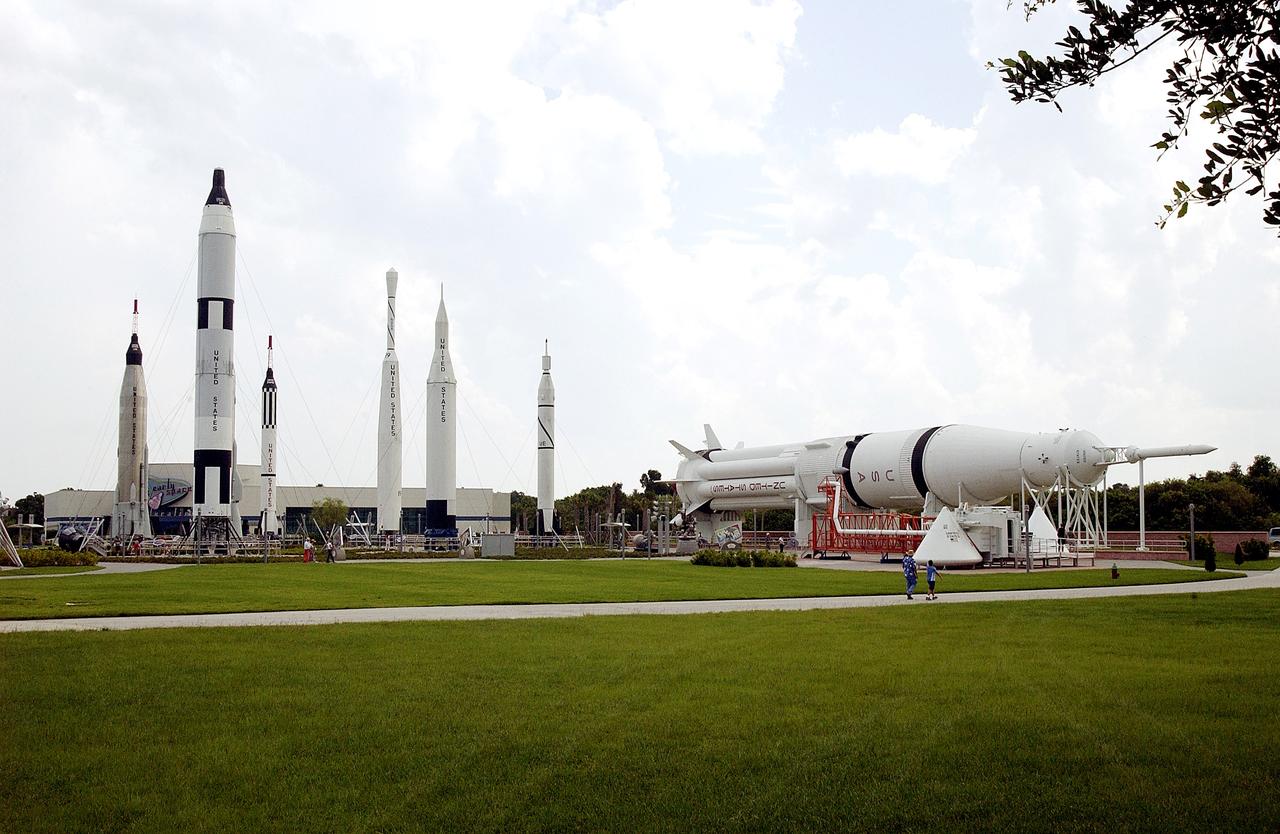 Atlas D orbital launch vehicle
Atlas 100-D supported Mercury-Atlas 3 in the Project Mercury program.
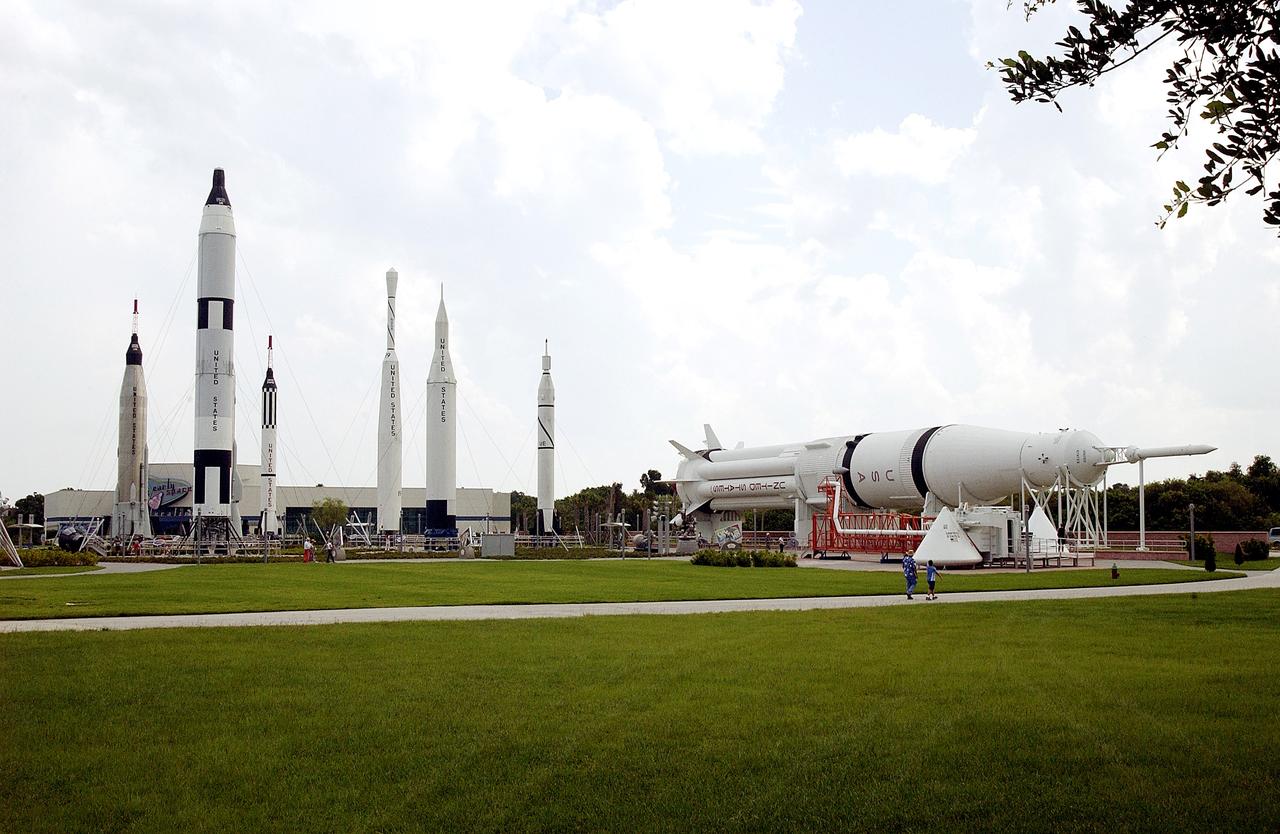 Atlas D orbital launch vehicle
Atlas 50-D supported Mercury-Atlas 1 in the Project Mercury program.
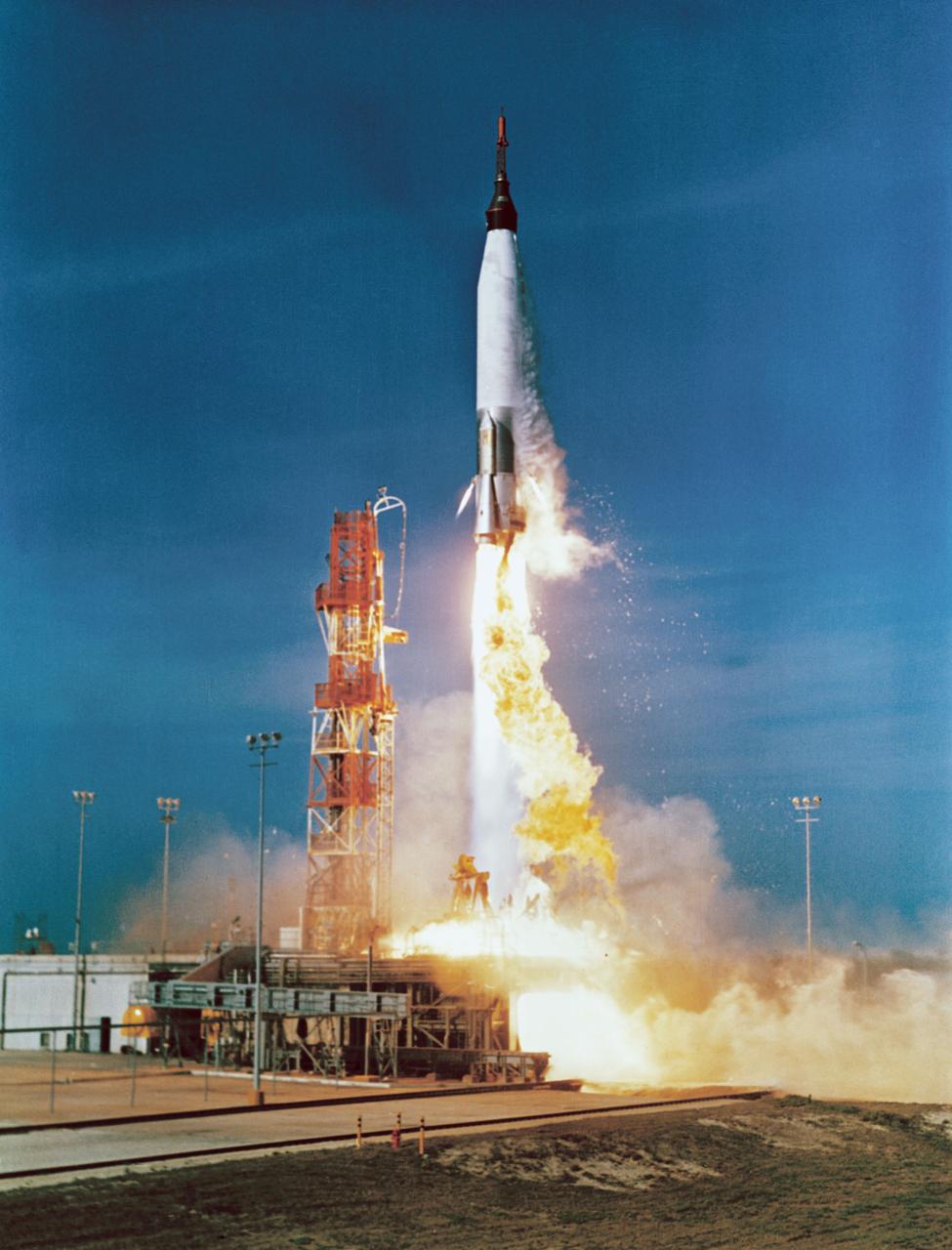 Atlas D orbital launch vehicle
Atlas 67-D supported Mercury-Atlas 2 in the Project Mercury program.
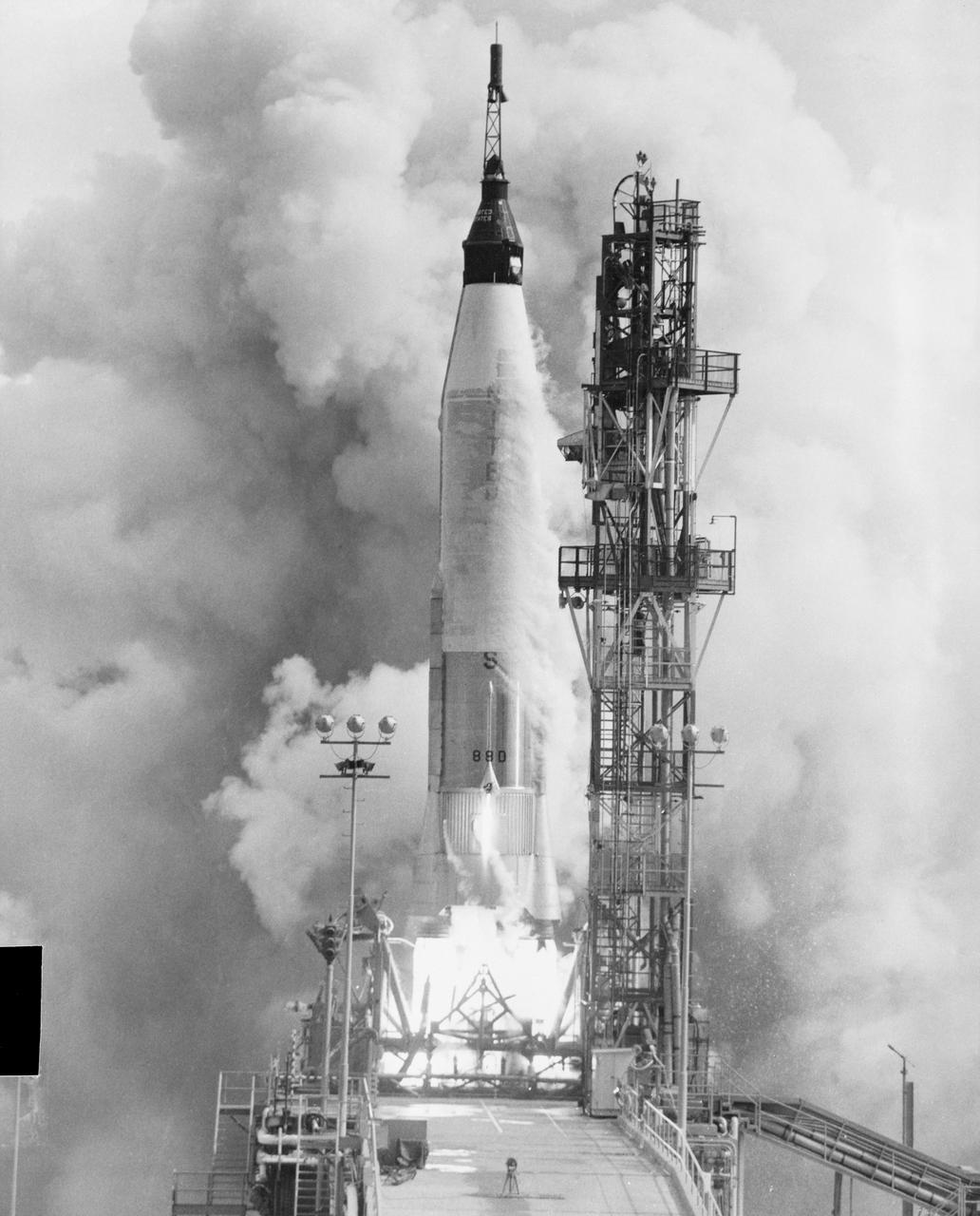 Atlas D orbital launch vehicle
Atlas 88-D supported Mercury-Atlas 4 in the Project Mercury program.
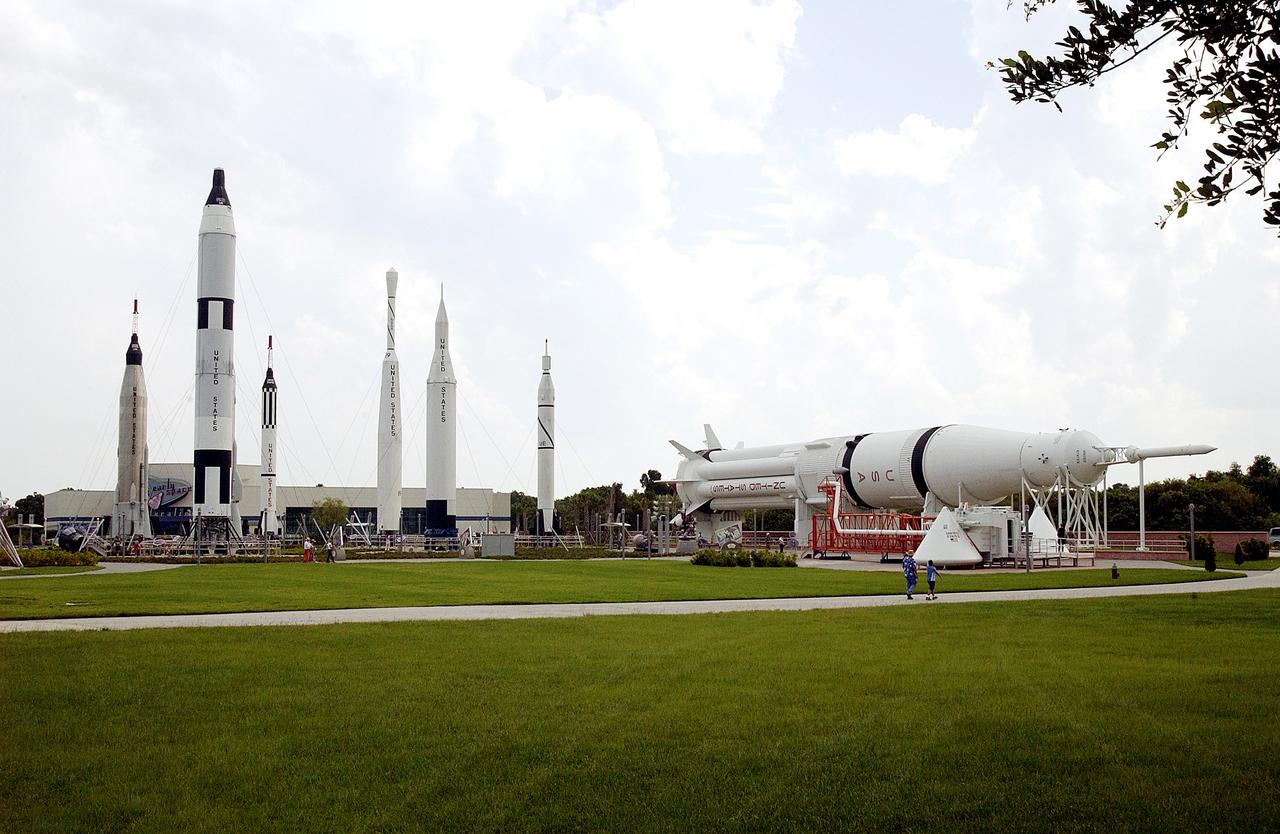 Atlas D orbital launch vehicle
Atlas 93-D was the Atlas D launch vehicle assigned to Mercury-Atlas 5, the two-orbit flight that carried Enos and cleared Mercury for a crewed orbital mission.
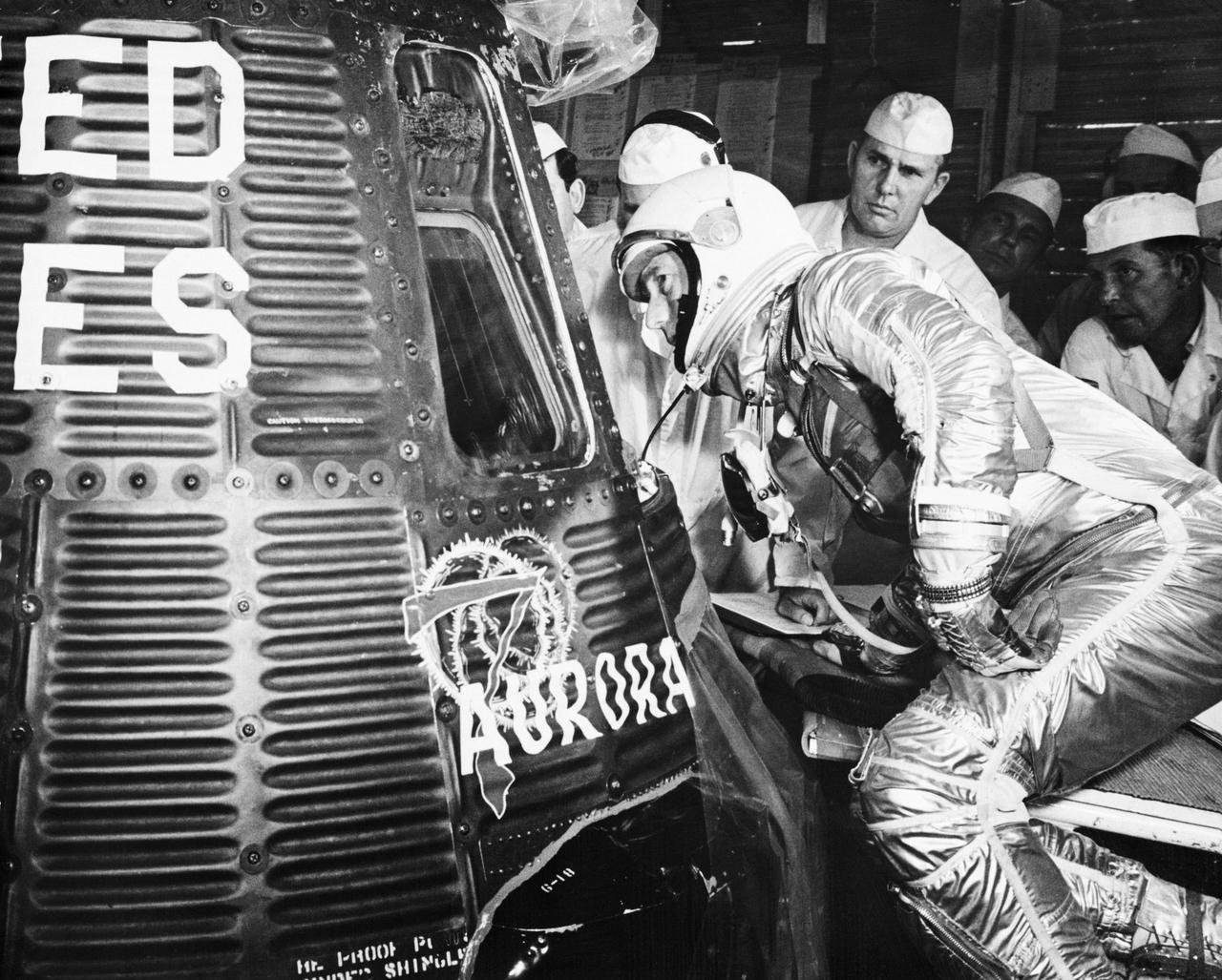 Mercury spacecraftMay 24, 1962
Aurora 7 was the Mercury spacecraft flown by M.
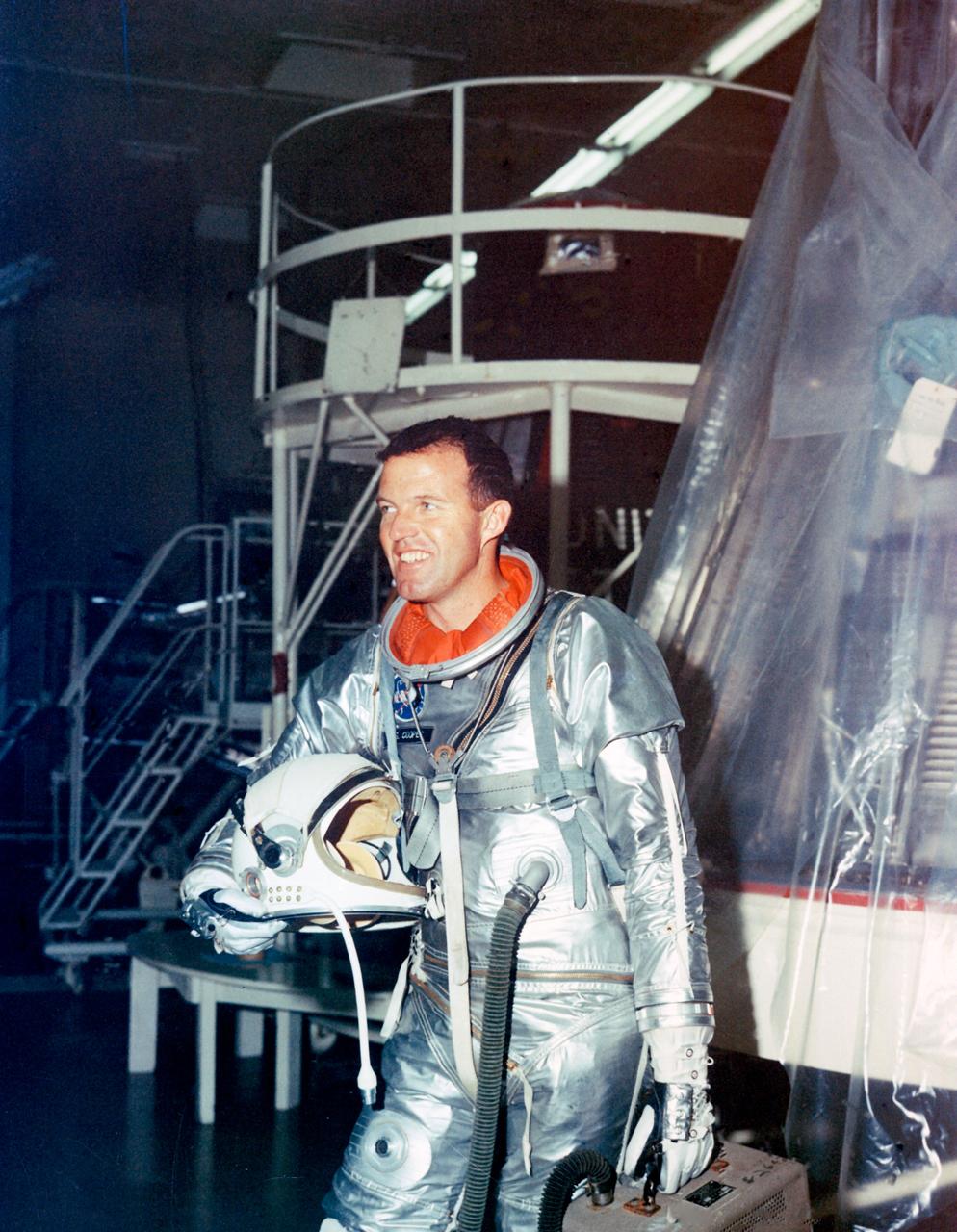 Mercury spacecraftMay 15, 1963
Faith 7 was the Mercury spacecraft flown by L.
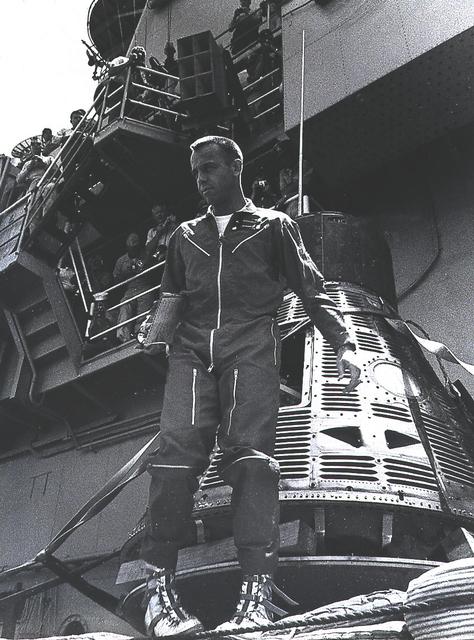 Mercury spacecraftMay 5, 1961
Freedom 7 was the Mercury spacecraft flown by Alan Shepard on Mercury-Redstone 3, the first United States human spaceflight.
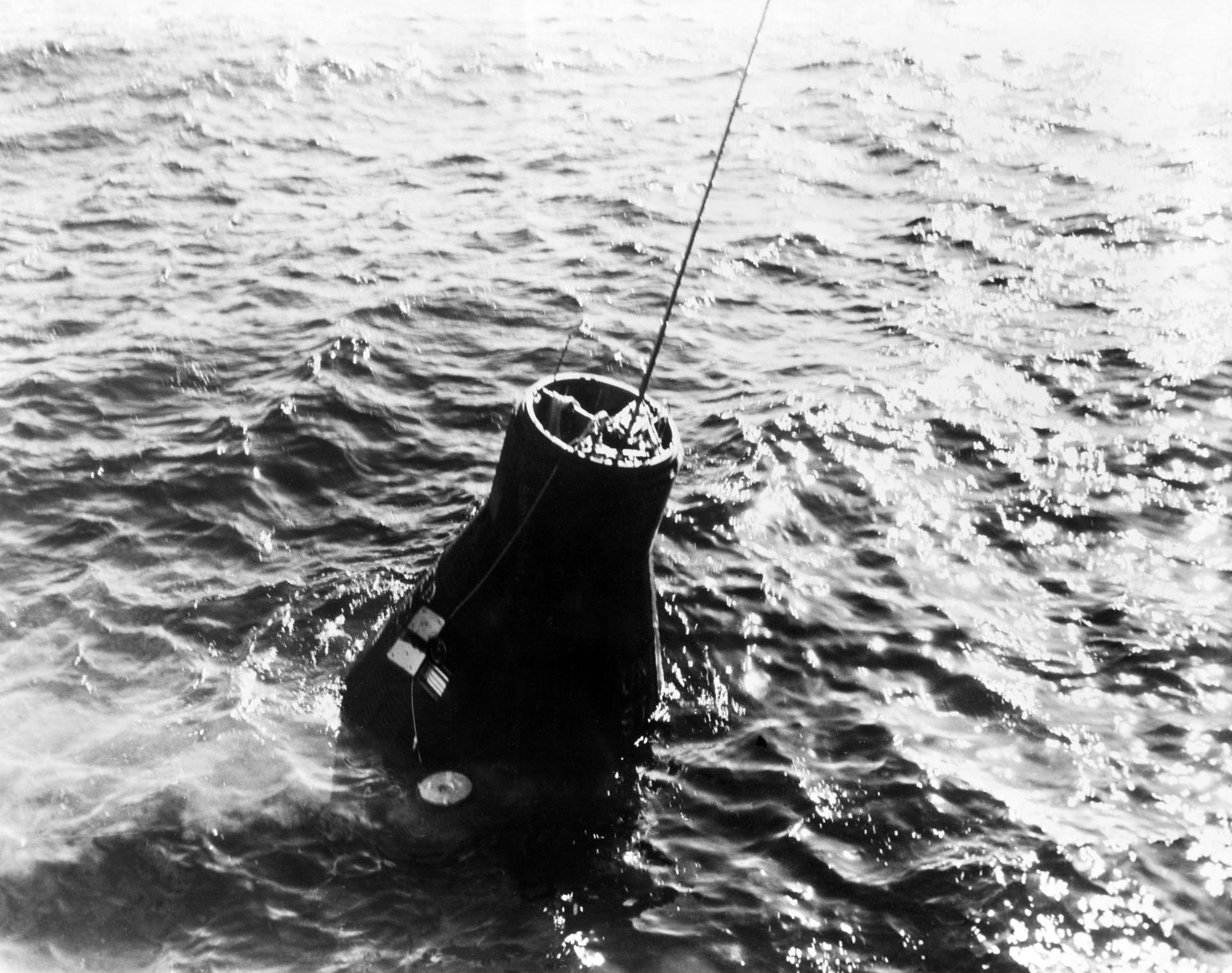 Mercury spacecraftFebruary 20, 1962
Friendship 7 was the Mercury spacecraft flown by John Glenn on Mercury-Atlas 6, the first American orbital spaceflight.
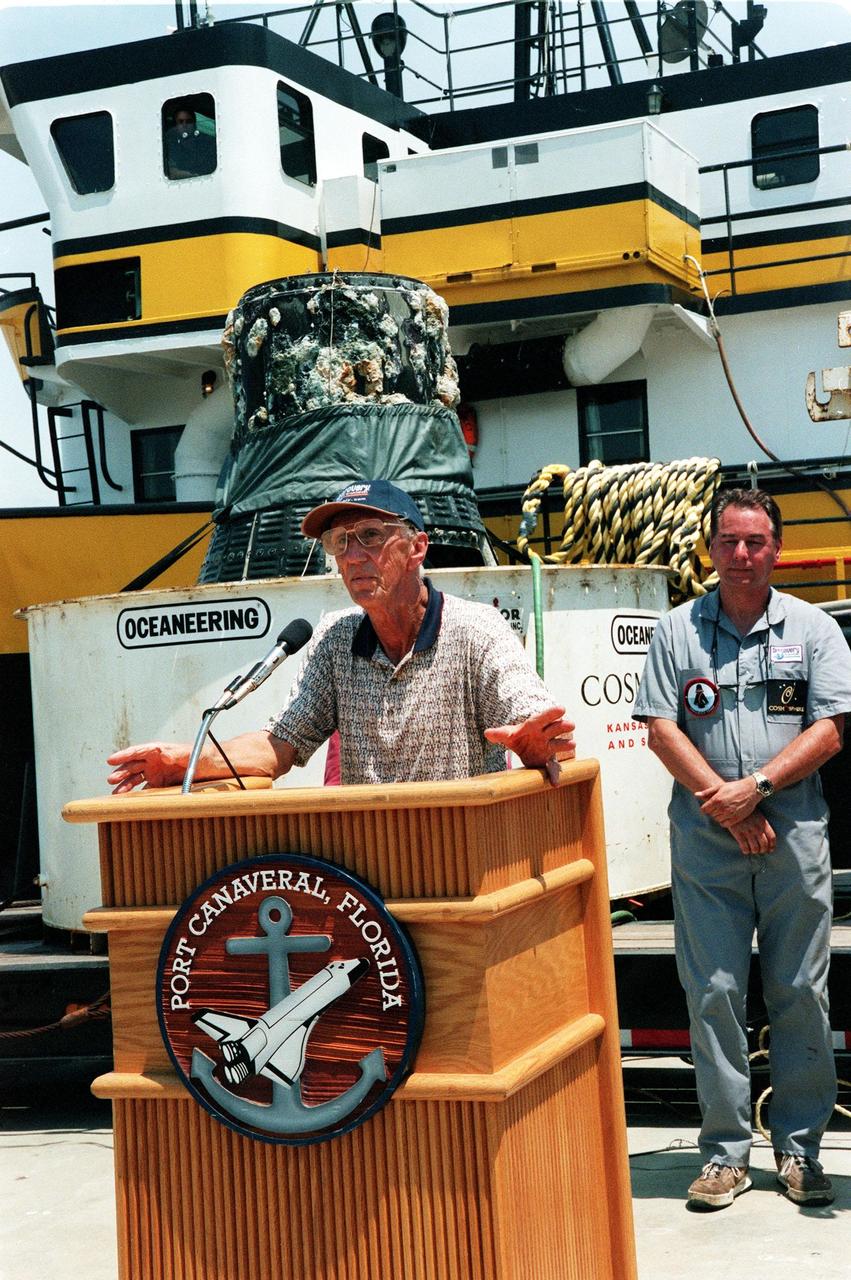 Mercury spacecraftJuly 21, 1961
Liberty Bell 7 was the Mercury spacecraft flown by Virgil I.
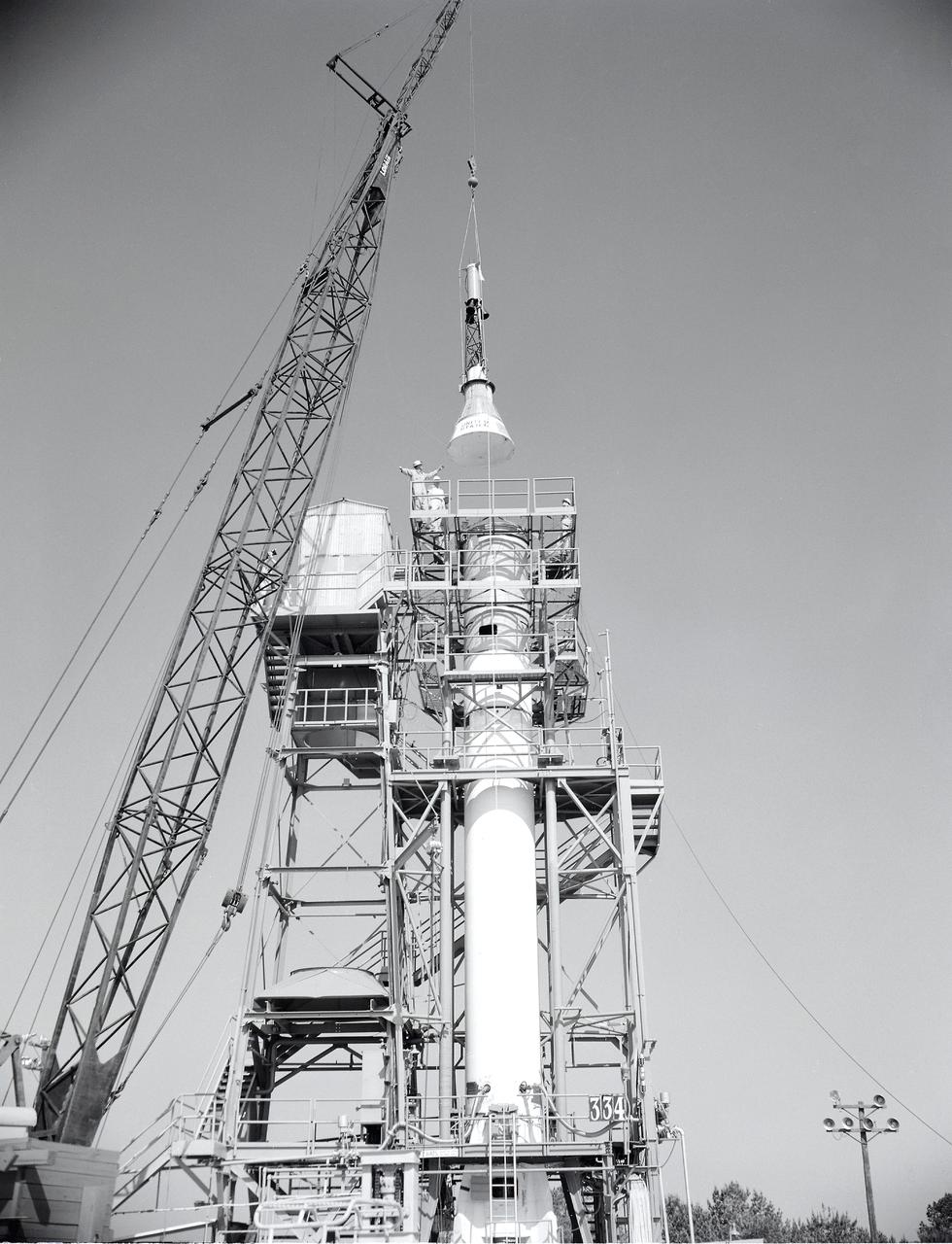 Crew-rated suborbital launch vehicle
Mercury-Redstone adapted the Redstone ballistic missile into the launch vehicle for Project Mercury's suborbital development and astronaut flights, culminating in the Freedom 7 and Liberty Bell 7 missions.