AstronautAtlas
Search the complete archive…
Loading AstronautAtlas records
Program archive
Project Mercury established that astronauts could launch, work in space, survive orbital flight, and return safely—creating the operational foundation for Gemini and Apollo.
Explore this program
Choose a path through the Project Mercury archive.
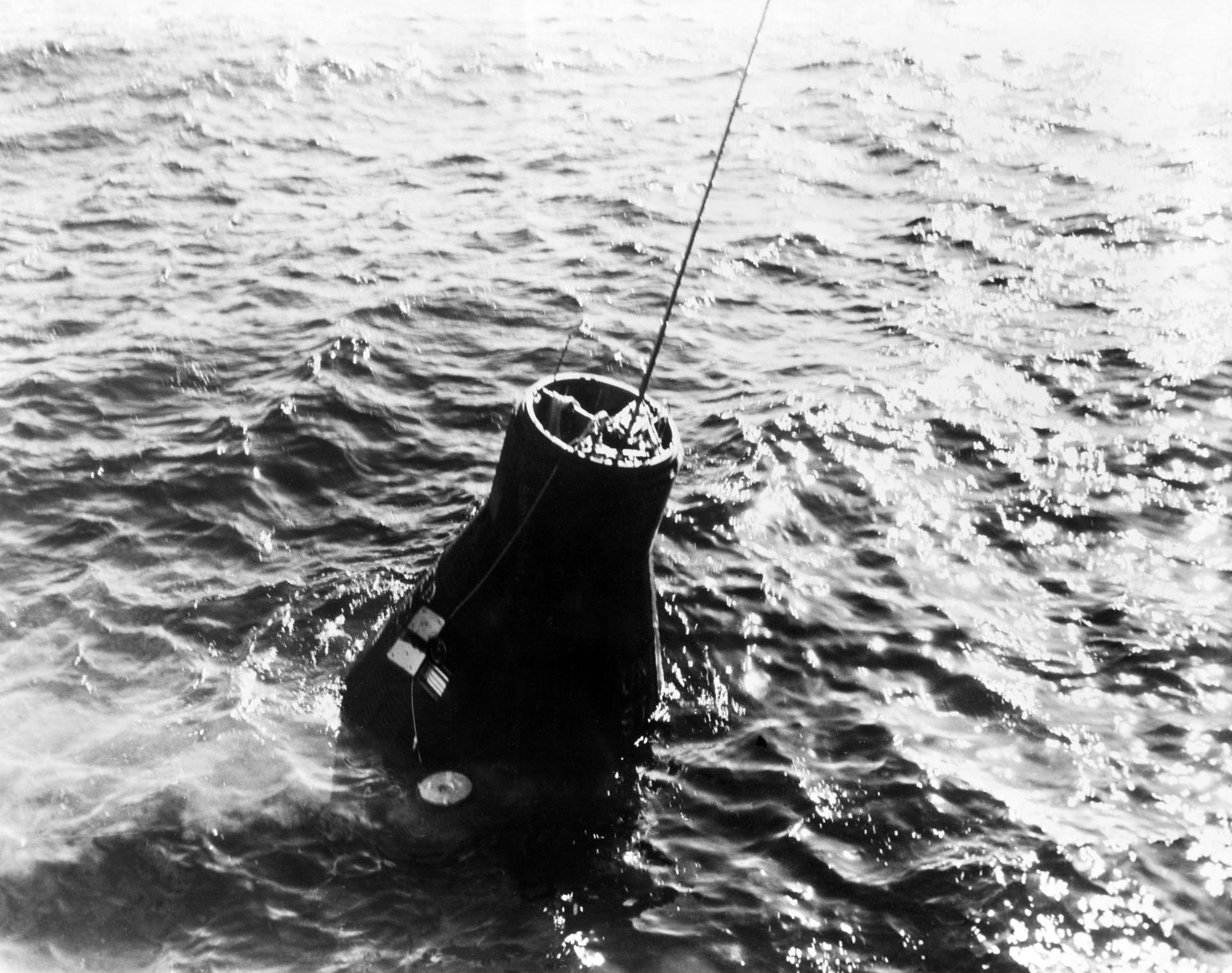
Project Mercury established that astronauts could launch, work in space, survive orbital flight, and return safely—creating the operational foundation for Gemini and Apollo.
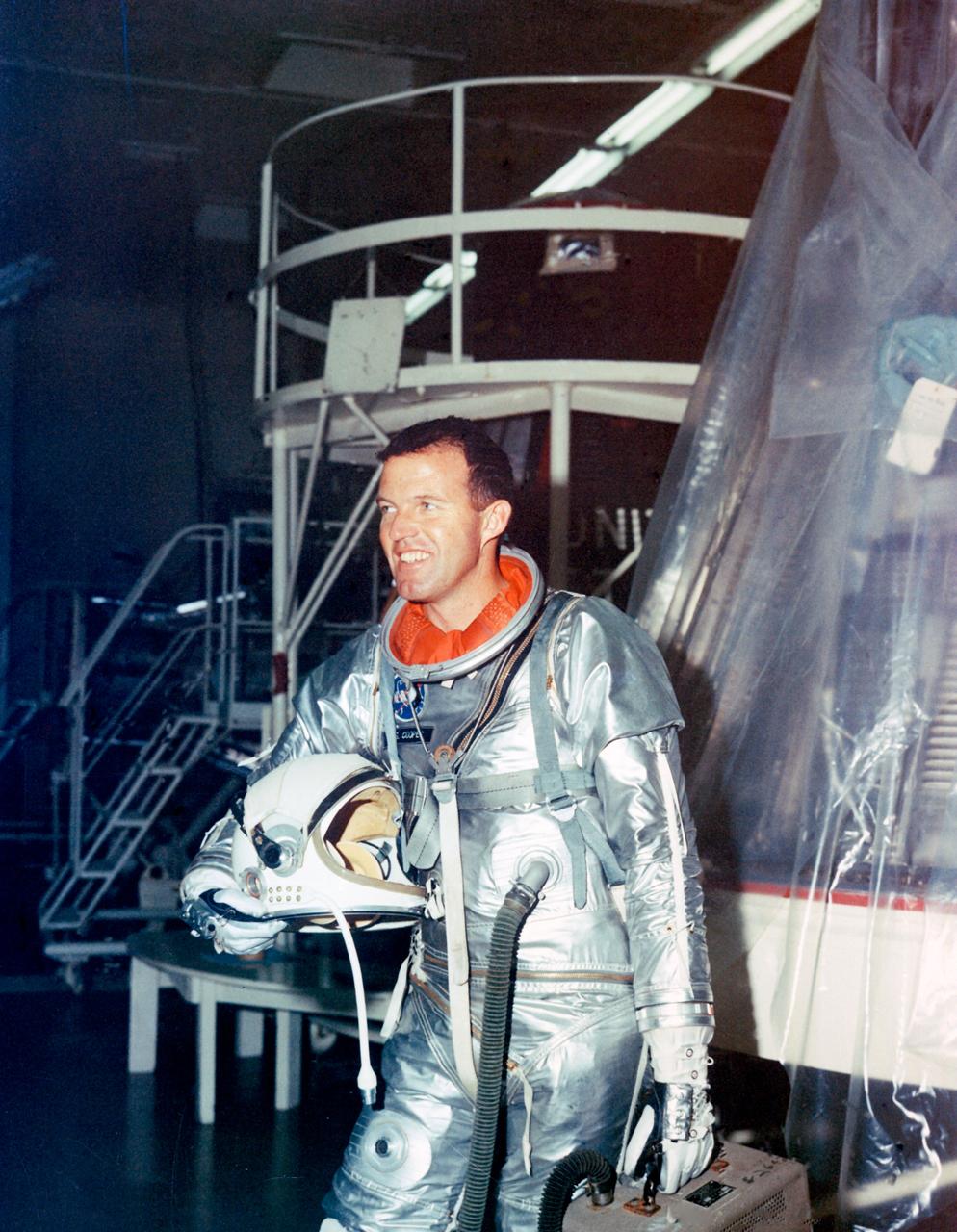
Core capabilities
Program story
NASA initiated Project Mercury in 1958 with three central objectives: orbit a crewed spacecraft, study human performance in space, and recover both astronaut and spacecraft safely. The Mercury Seven became the public face of a much larger engineering, medical, tracking, and operations effort.
Alan Shepard’s Mercury-Redstone 3 flight made him the first American in space in May 1961. John Glenn’s Mercury-Atlas 6 mission followed in February 1962 and made him the first American to orbit Earth, while later flights expanded endurance and gave controllers experience managing longer missions.
By the end of Mercury in 1963, NASA had learned how to select and train astronauts, operate a crewed spacecraft, coordinate a global tracking network, and recover a capsule from the ocean. Gemini inherited that working foundation and pushed it toward rendezvous, docking, EVA, and long-duration flight.