AstronautAtlas
Search the complete archive…
Loading AstronautAtlas records
Program archive
Project Gemini was NASA’s bridge between Mercury and Apollo, using twelve missions to master long-duration flight, , docking, spacewalking, and precision return before the first lunar missions.
Explore this program
Choose a path through the Project Gemini archive.
Follow Gemini from early systems tests to the final precision return—every launch placed along the program’s accelerating arc toward Apollo.
A visual route through the skills Gemini had to master.
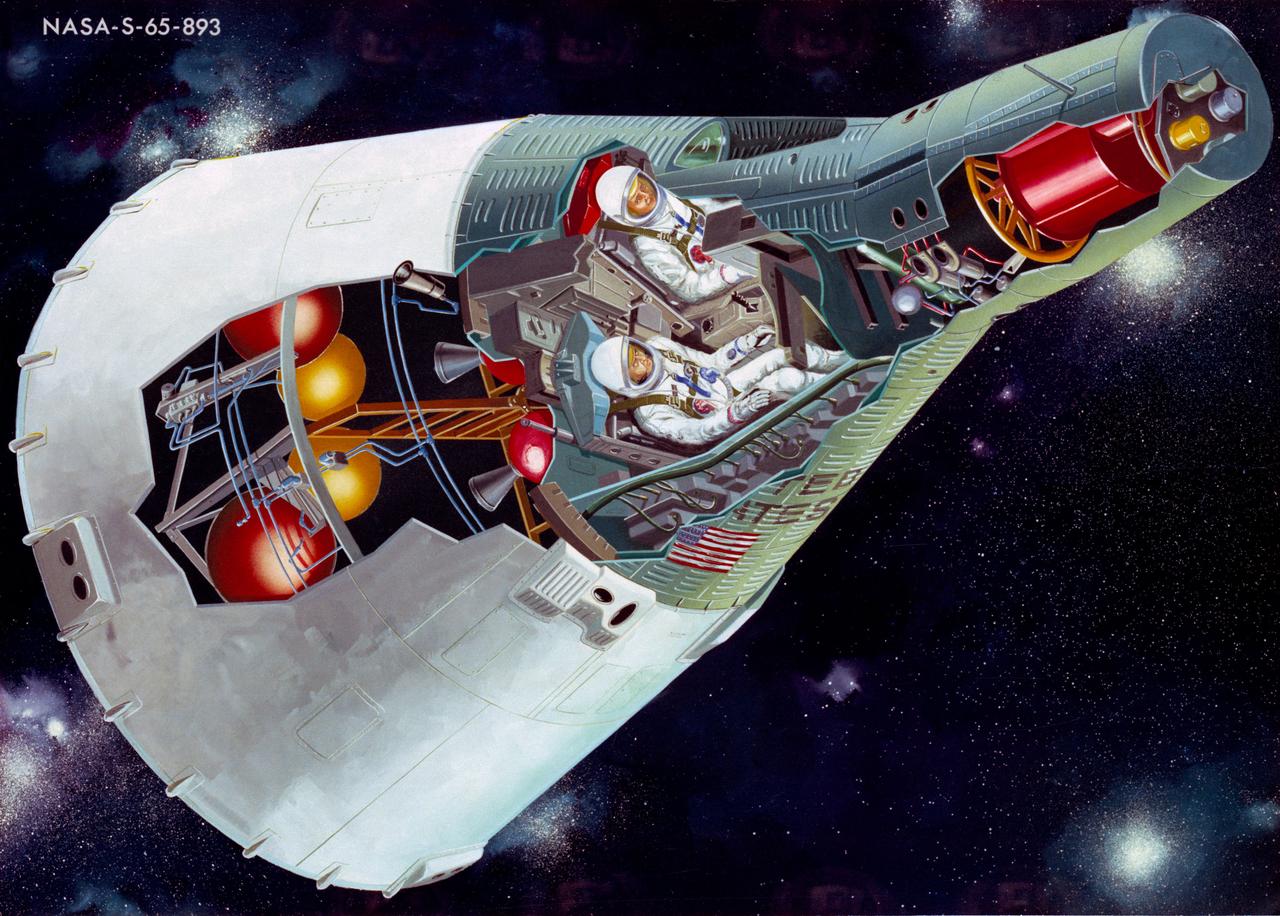 1961A bridge between Mercury and ApolloNASA organized Gemini to master the practical skills that a lunar landing program would demand.
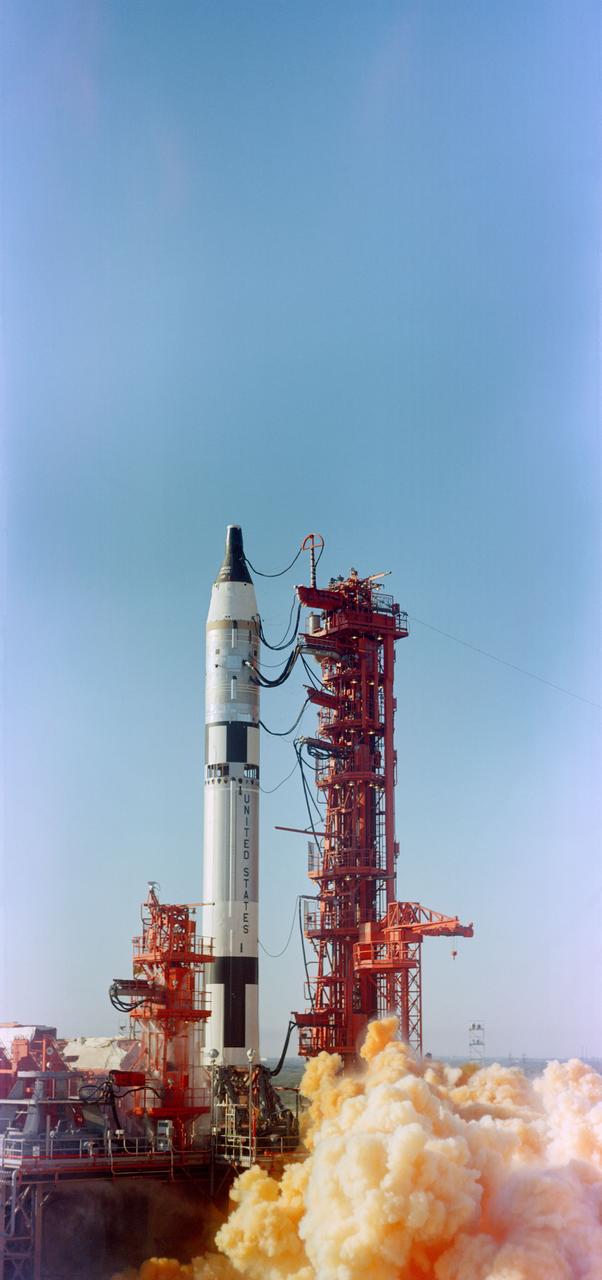 1964Uncrewed systems tests beginGemini I and Gemini II qualified the spacecraft, reentry systems, and Titan II launch vehicle before crews flew.
 1965Humans learn to work in orbitGemini III through VII established maneuvering, the first American EVA, endurance, and close rendezvous operations.
 1966Docking becomes routineThe final Gemini flights proved docking, target-vehicle operations, EVA methods, and controlled return techniques used by Apollo.
All twelve flights, from the uncrewed systems tests through Gemini XII.
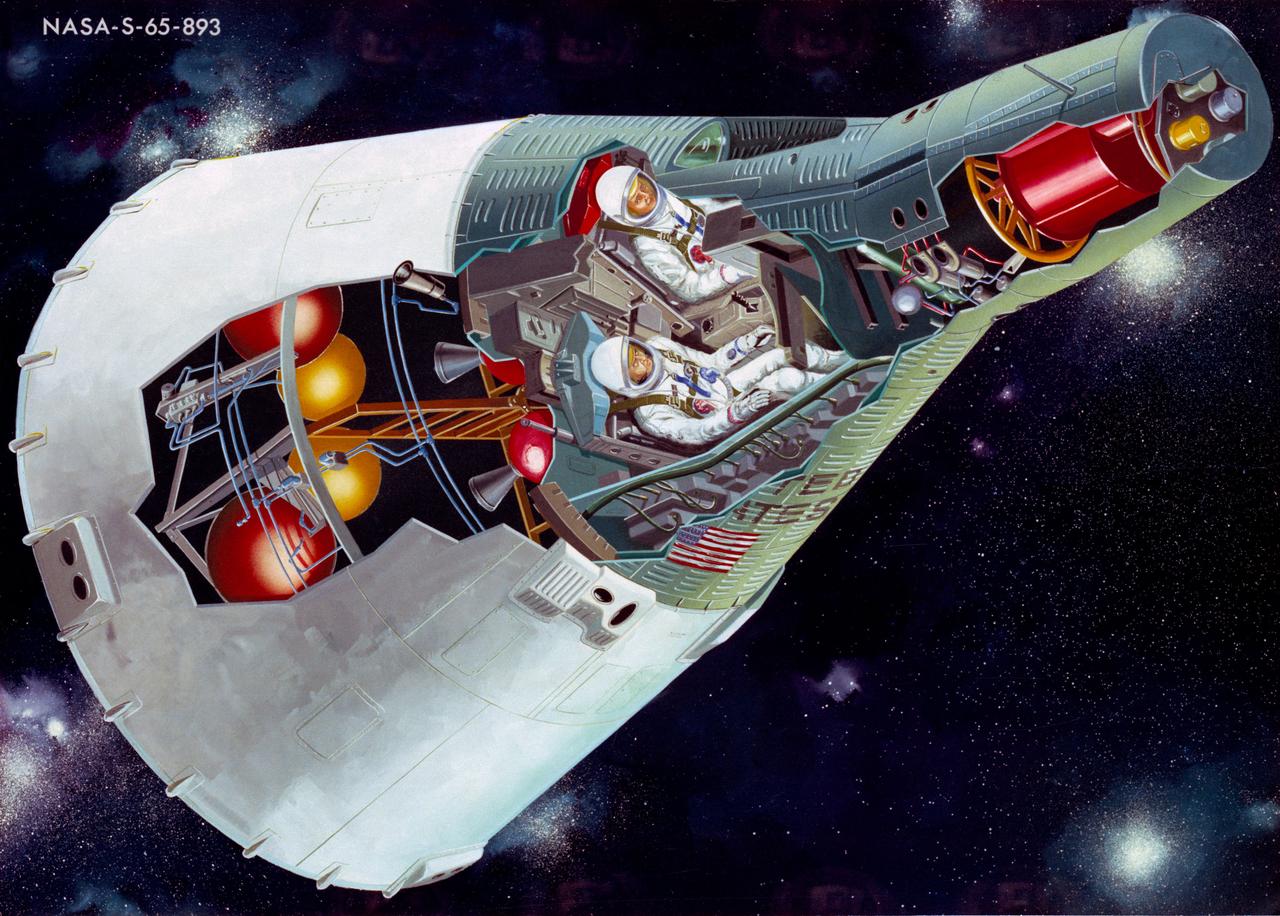 April 8, 1964Gemini IFirst uncrewed Gemini orbital test flight
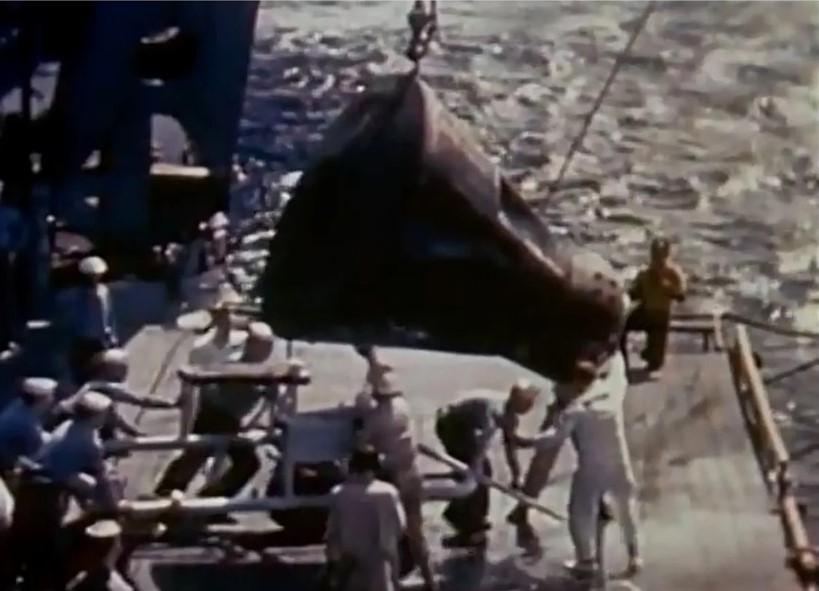 January 19, 1965Gemini IIUncrewed suborbital Gemini qualification flight
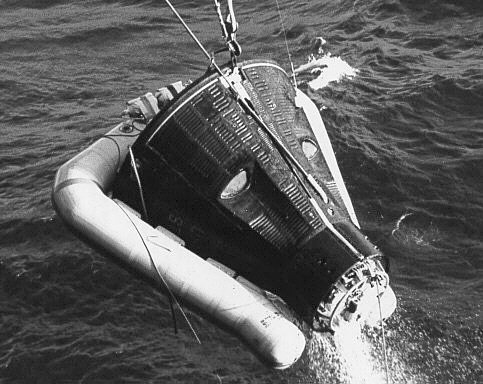 March 23, 1965Gemini IIIAmerica's first crewed Gemini flight proves that astronauts can change orbit, control lift during reentry, and operate a two-person spacecraft
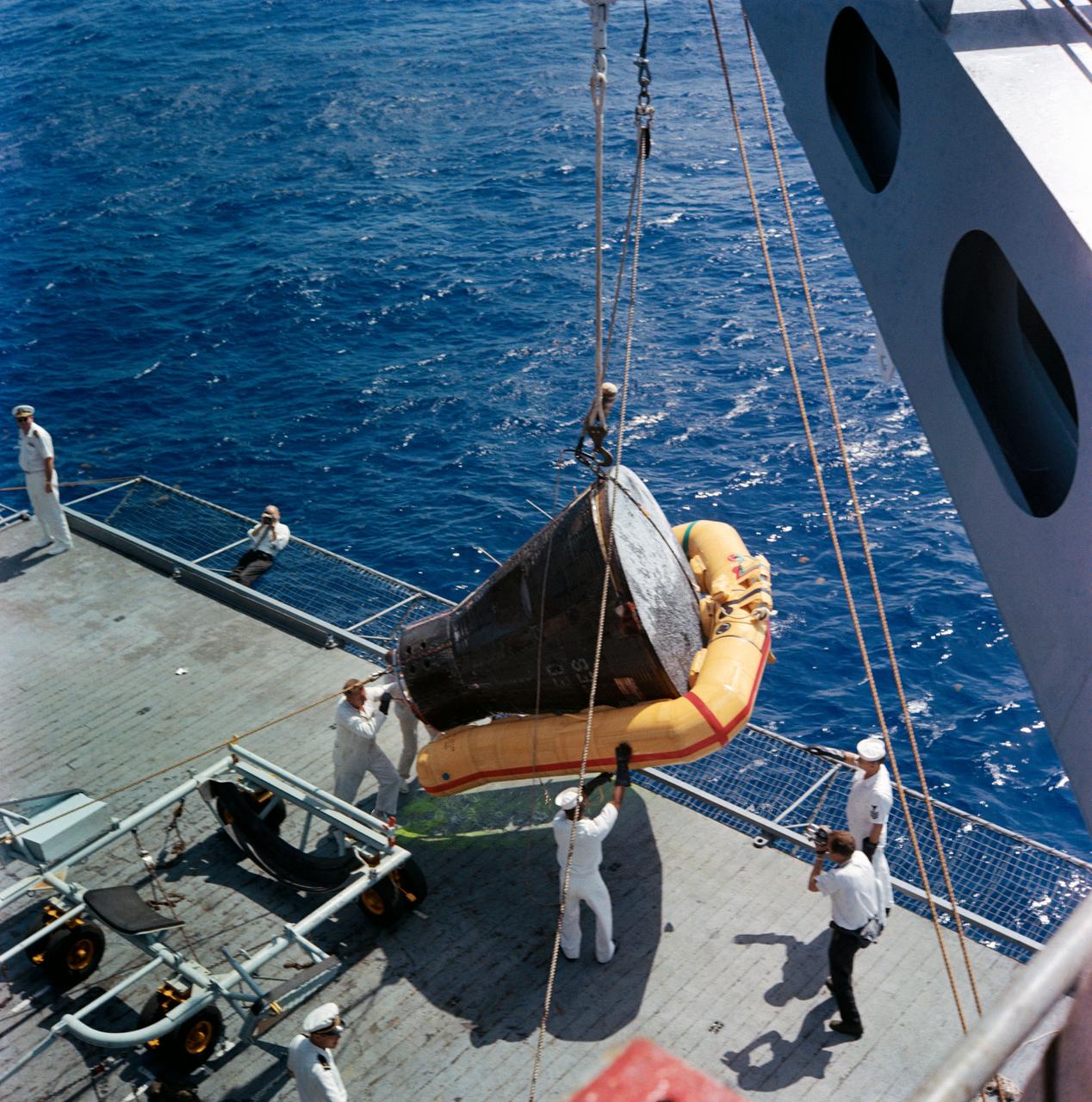 June 3, 1965Gemini IVFour days in orbit and Ed White's spacewalk turn Gemini 4 into America's first long-duration flight and first EVA
 August 21, 1965Gemini VEight days, operational fuel cells, and a rescued rendezvous exercise prove that Gemini can sustain a lunar-mission-length flight
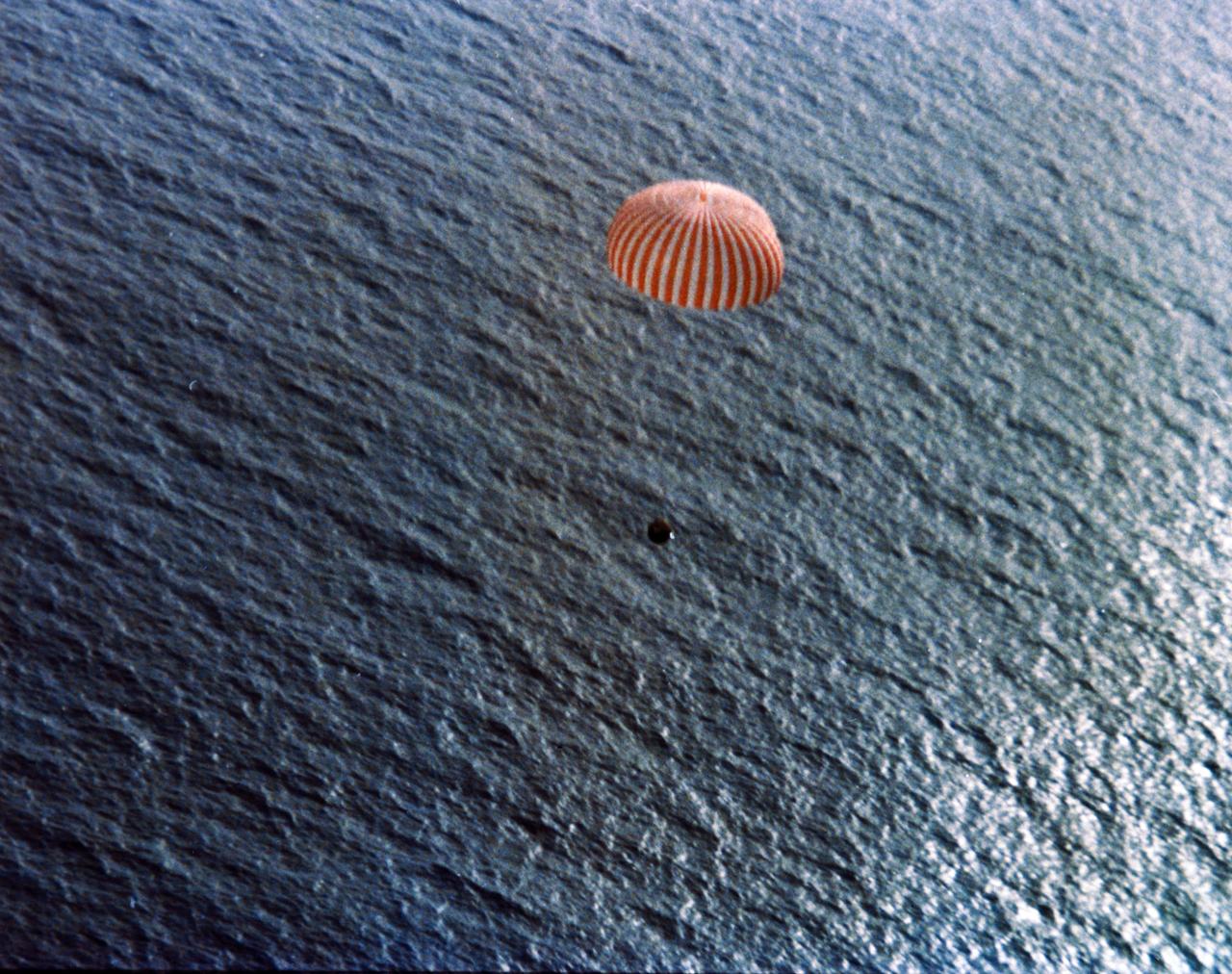 December 4, 1965Gemini VIIFourteen days in orbit validate human endurance, lightweight suits, life support, and the target role for Gemini 6A's historic rendezvous
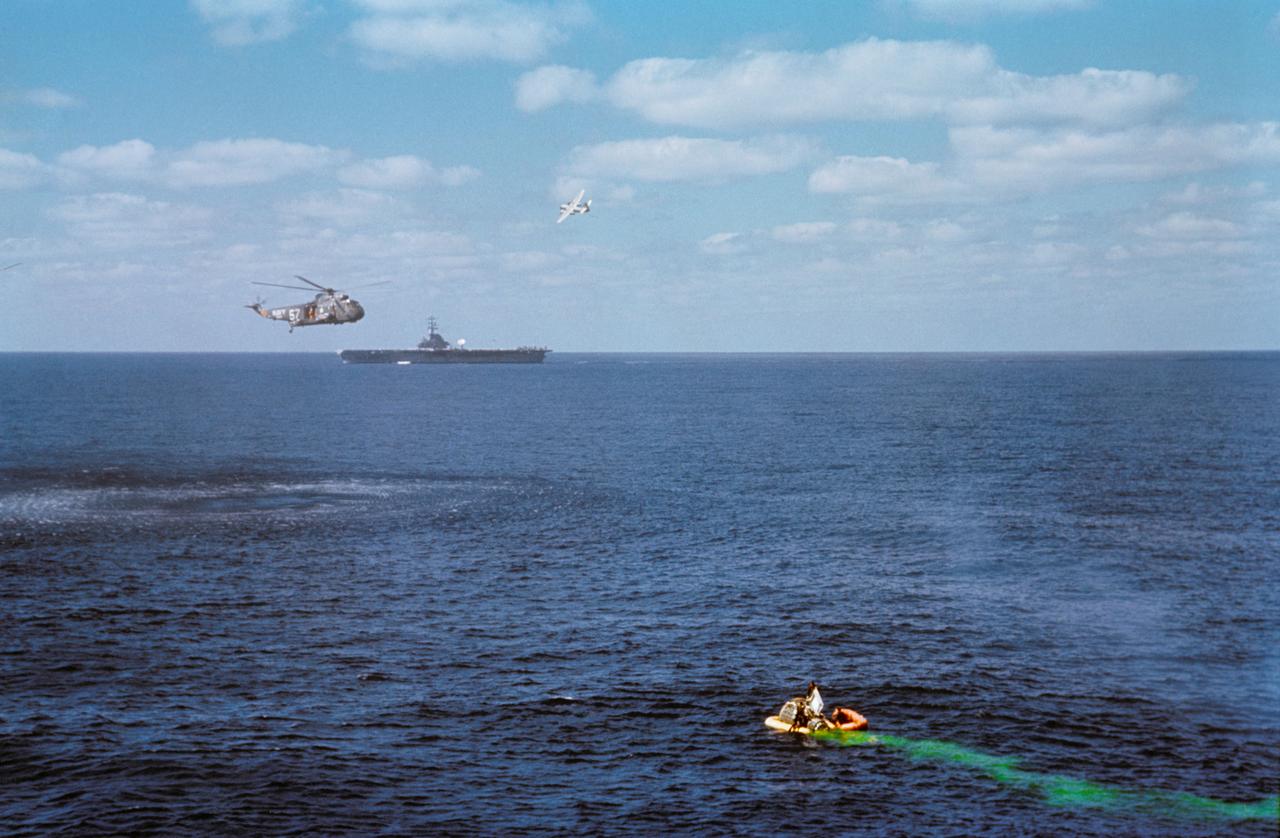 December 15, 1965Gemini VI-AA redesigned mission survives an Agena loss and a pad abort to achieve the first rendezvous between two crewed spacecraft
 March 16, 1966Gemini VIIIThe first orbital docking becomes Gemini's most urgent in-flight emergency—and a demonstration of decisive crew control
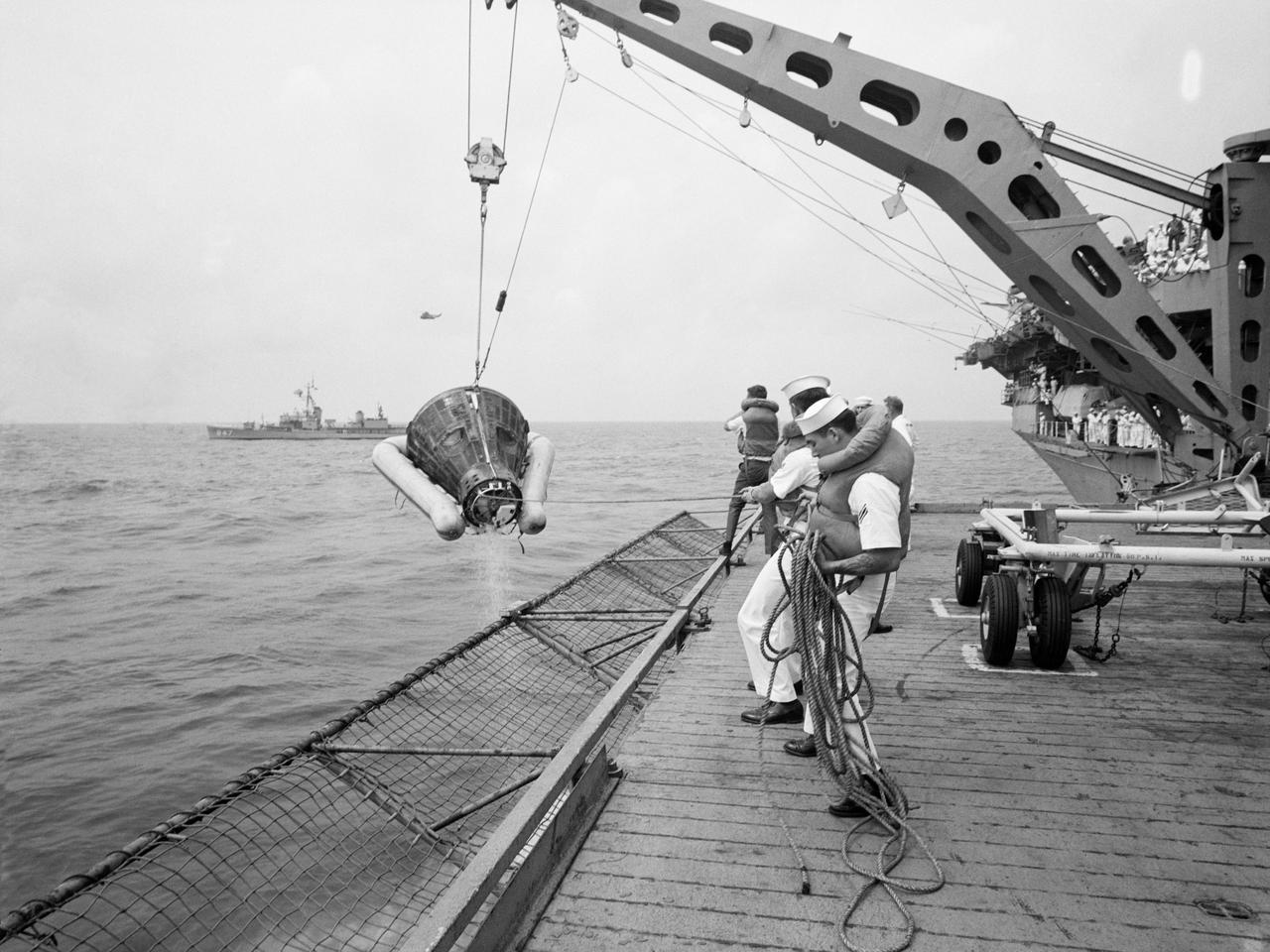 June 3, 1966Gemini IX-AA shrouded docking target and an exhausting EVA turn Gemini 9A into a decisive lesson in contingency rendezvous and spacewalk design
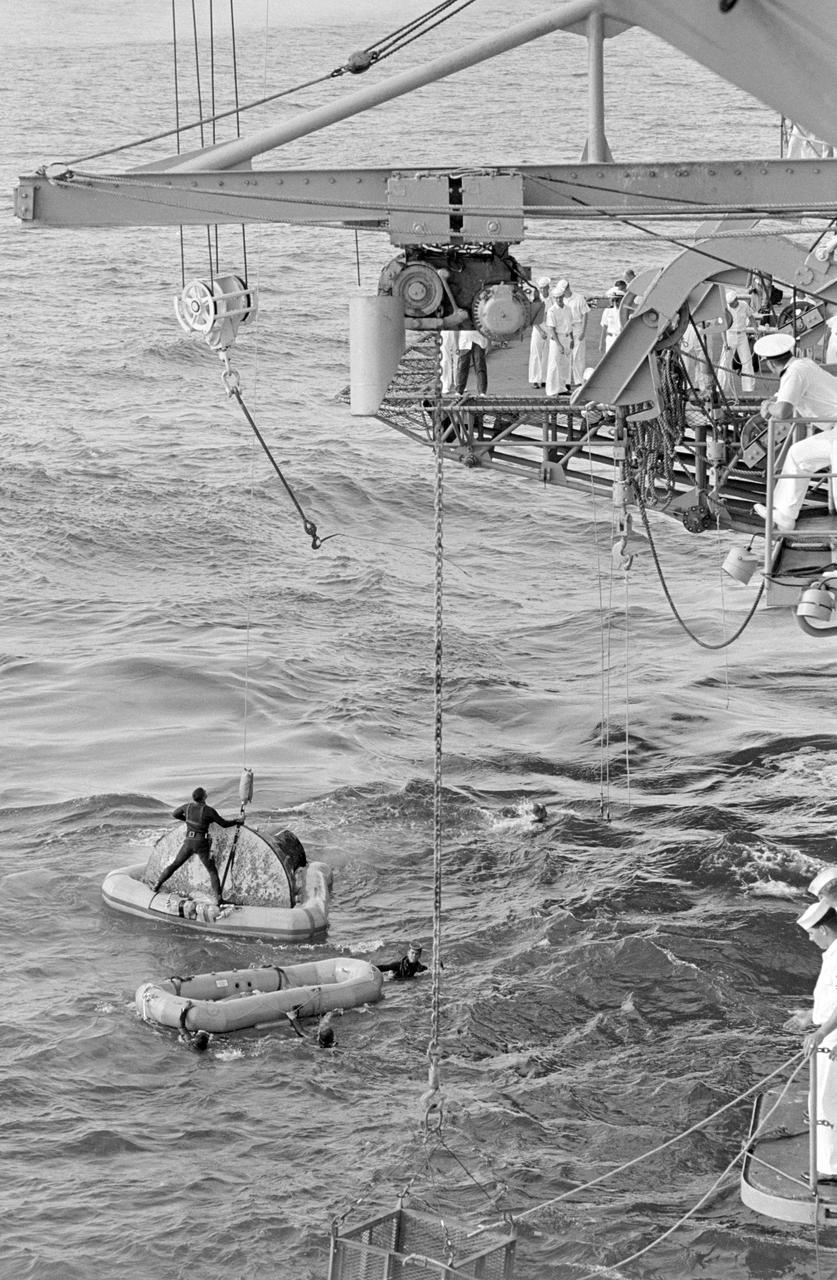 July 18, 1966Gemini XTwo Agenas, two EVAs, and a record altitude demonstrate docking, target-to-target navigation, and useful work outside Gemini
 September 12, 1966Gemini XIFirst-orbit rendezvous, an 850-mile apogee, tethered artificial gravity, and automatic reentry push Gemini operations to their limit
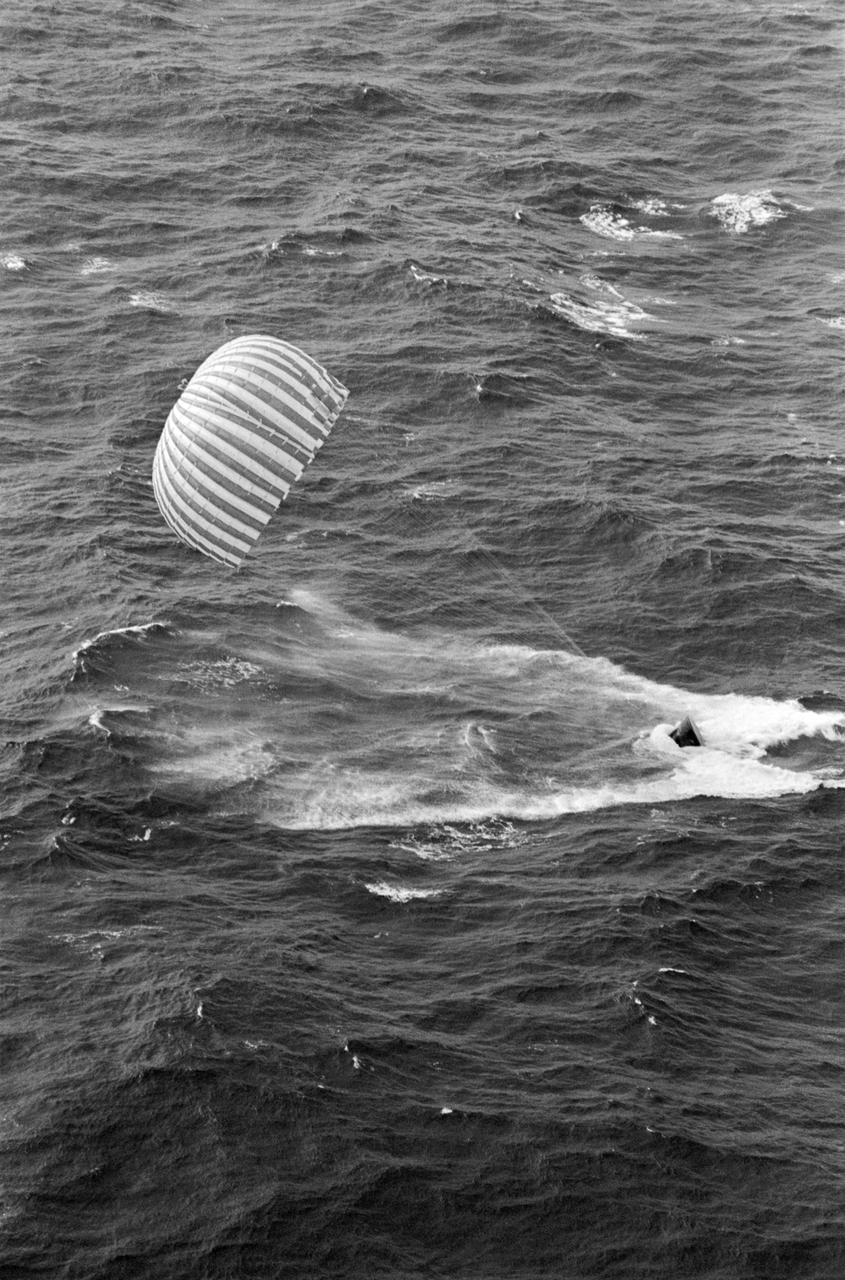 November 11, 1966Gemini XIIManual rendezvous and five and a half hours of controlled EVA prove that astronauts can work safely and productively outside a spacecraft