AstronautAtlas
Search the complete archive…
Loading AstronautAtlas records
Program archive
Across 22 uncrewed development flights and 11 crewed missions, Apollo joined enormous , purpose-built spacecraft, global tracking, and increasingly ambitious crews into the first sustained human exploration of another world.
Explore this program
Choose a path through the Apollo archive.
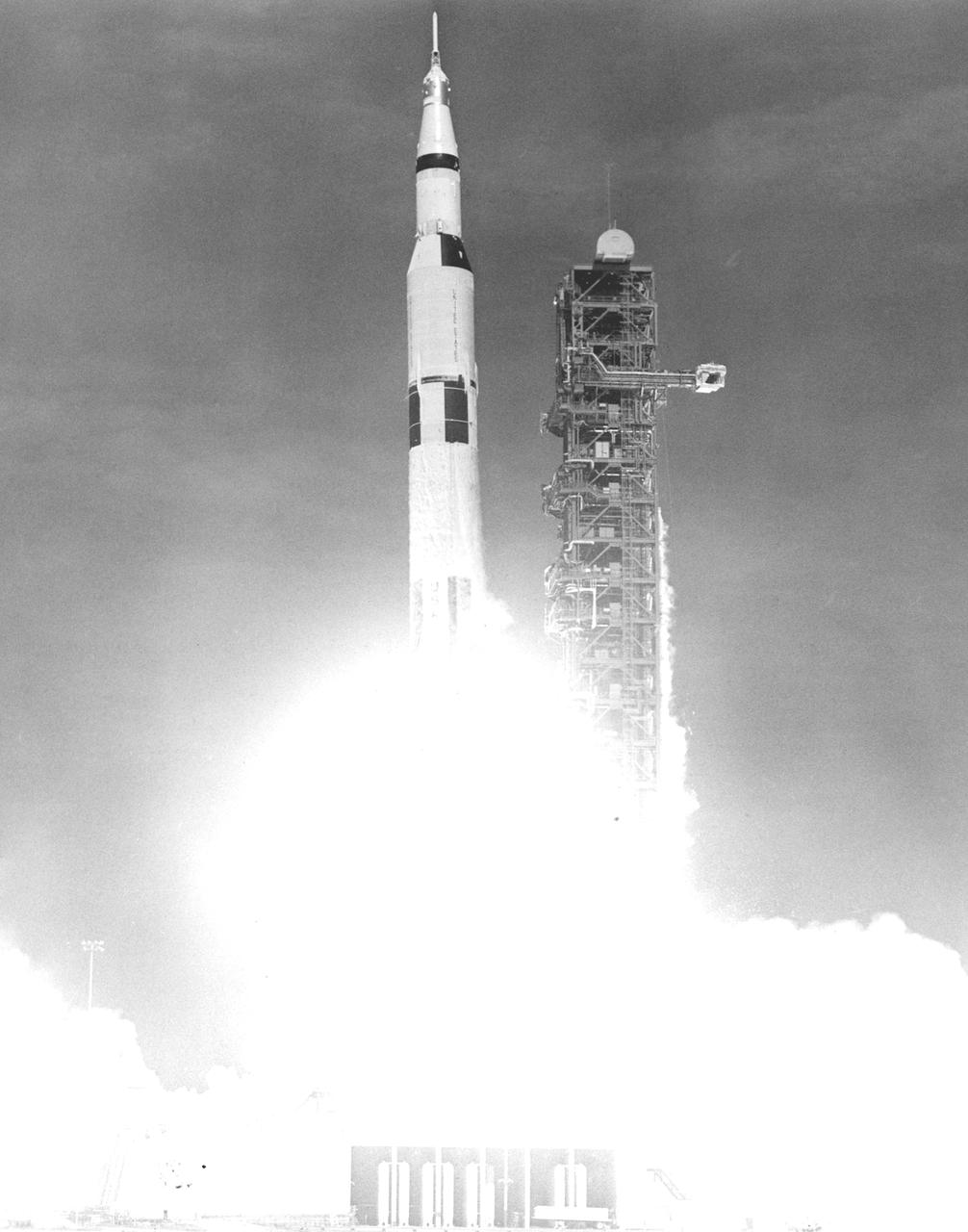
Across 22 uncrewed development flights and 11 crewed missions, Apollo joined enormous , purpose-built spacecraft, global tracking, and increasingly ambitious crews into the first sustained human exploration of another world.
Core capabilities
Program story
Apollo began as an effort to extend human spaceflight beyond Earth orbit and became the program that carried people to the Moon. Twenty-two uncrewed flights developed Saturn launch vehicles, proved spacecraft-launch compatibility, qualified the escape system, and established heat-shield, propulsion, guidance, and lunar-module performance before Apollo 7 returned crews to flight in Earth orbit.
Apollo 8 carried humans around the Moon, Apollo 9 qualified the lunar module with a crew, and Apollo 10 rehearsed the landing sequence in lunar orbit. Apollo 11 completed the first crewed lunar landing in July 1969, joining the Saturn V, command and service module, lunar module, mission control, and worldwide tracking network into a single flight system.
Five later missions landed successfully and widened the program’s scientific reach. Apollo 15, 16, and 17 supported longer surface stays, more capable experiments, and rover traverses, while Apollo 13 demonstrated the resilience of crews and controllers during an in-flight emergency.