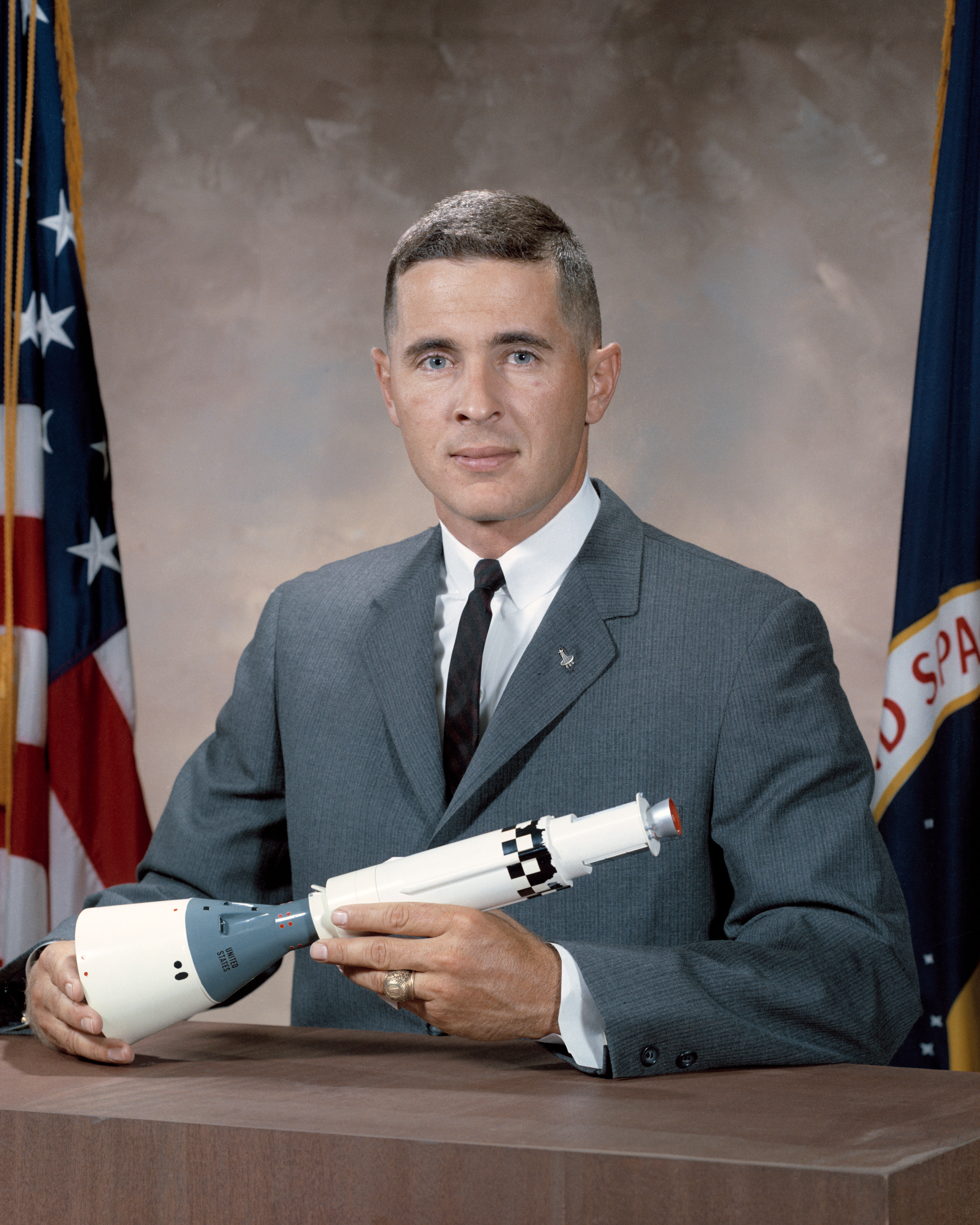
William A. Anders
William Alison Anders was an Air Force officer, nuclear engineer, astronaut, and one of the first humans to orbit the Moon. Born in Hong Kong and raised in a military family, he graduated from the United States Naval Academy, entered the Air Force, and later earned a graduate degree in nuclear engineering. NASA selected him in Astronaut Group 3 in 1963.
- Born
- October 17, 1933
- Died
- June 7, 2024
- Birthplace
- British Hong Kong,United Kingdom
Flights
1
Spacewalks
0
EVA time
N/A
In space
6 days, 3 hours
Bio
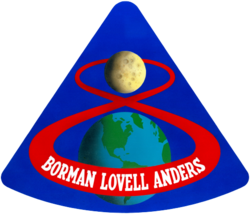
Anders flew as Lunar Module Pilot on Apollo 8 with Frank Borman and Jim Lovell, though the mission carried no lunar module. In December 1968, Apollo 8 became the first crewed spacecraft to leave Earth orbit, travel to the Moon, and orbit another celestial body. Anders helped operate spacecraft systems, conduct observations, and photograph the lunar surface for future landing missions.
His most famous contribution was the Earthrise photograph, showing Earth above the lunar horizon. The image became one of the defining photographs of the space age and a powerful symbol of Earth's fragility. After leaving NASA, Anders served in government roles connected to space and nuclear policy, worked with the Atomic Energy Commission and Nuclear Regulatory Commission, and later became a business executive.
Anders's background fit the broader pattern of the early astronaut corps: technical training, operational discipline, and a career built around difficult work before spaceflight. His formal education included United States Naval Academy (B.S. Electrical Engineering, 1955), and Air Force Institute of Technology (M.S. Nuclear Engineering, 1962). His service background is recorded as Major General, United States Air Force Reserve. His personal record also sits alongside a family life recorded as married, six children, a reminder that these careers unfolded within ordinary lives as well as national history.
Anders's flown space career centered on Apollo 8, where he served as Lunar Module Pilot. First crewed flight to the Moon and first crewed mission to orbit another celestial body. The crew orbited the Moon ten times, photographed Earthrise, and proved key navigation, communications, and translunar procedures for later landing missions.