
Virgil Ivan Grissom
Virgil Ivan "Gus" Grissom was an Air Force fighter pilot, test pilot, Mercury astronaut, Gemini , and Apollo 1 command pilot whose career sits at the center of early American human spaceflight. Born in Mitchell, Indiana, he served near the end of World War II, studied mechanical engineering at Purdue University, and flew combat missions in Korea before entering the Air Force test-pilot world. NASA selected him as one of the original Mercury Seven astronauts in 1959.
- Born
- April 3, 1926
- Died
- January 27, 1967
- Birthplace
- Mitchell, Indiana,United States
Flights
3
Spacewalks
0
EVA time
N/A
In space
5 hours, 7 minutes
Bio
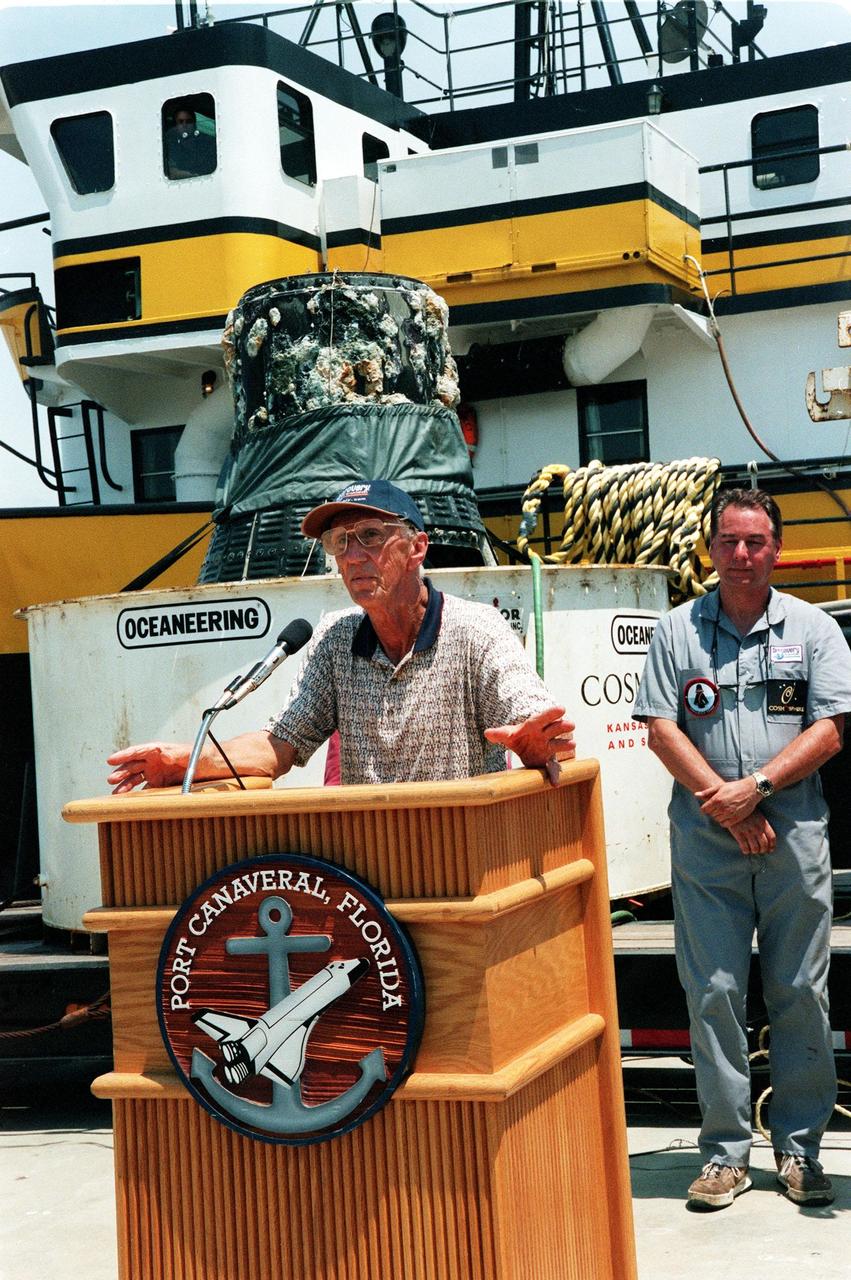
Grissom flew Liberty Bell 7 on Mercury-Redstone 4 in 1961, becoming the second American in space. The suborbital flight itself was successful, but the spacecraft sank after when the hatch blew prematurely. Grissom was criticized publicly in the aftermath, yet NASA retained confidence in him, and the later recovery of Liberty Bell 7 helped reinforce that the hatch incident was not a simple pilot-error story.
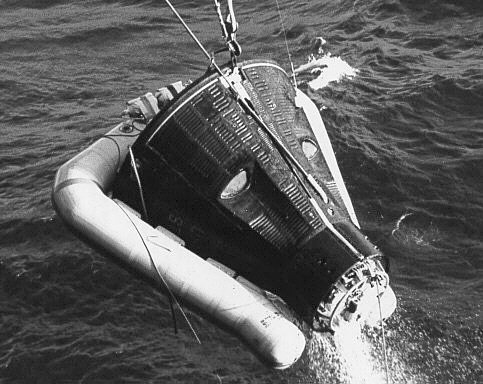
In 1965, Grissom commanded Gemini 3 with John Young, the first crewed flight of the Gemini program and the first crewed United States spacecraft to maneuver in orbit. The mission tested orbital control, spacecraft systems, and procedures that Gemini needed before , docking, work, and the Apollo lunar program could move forward. Grissom became the first NASA astronaut to fly into space twice.
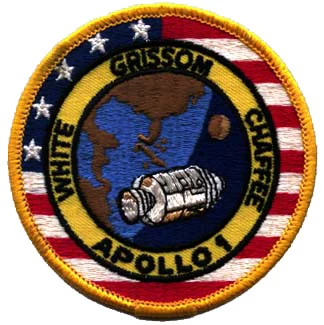
Grissom then moved into Apollo as Command Pilot of AS-204, later known as Apollo 1, with Ed White and Roger Chaffee. The mission was intended to be the first crewed Apollo command and test in Earth orbit. On January 27, 1967, the crew died in a cabin fire during a launch rehearsal test at Cape Kennedy, exposing serious flaws in spacecraft design, materials, procedures, and emergency egress.
Grissom's importance is not limited to the tragedy of Apollo 1. He helped prove the Mercury spacecraft could carry an American into space, commanded the first Gemini mission, and was trusted to lead Apollo's first crewed step. His career shows both the speed of early spaceflight progress and the cost of learning where engineering confidence had outrun safety discipline.