
Roger B. Chaffee
Roger Bruce Chaffee was a naval aviator, engineer, and Apollo astronaut whose life and career were cut short before he could fly in space. Born in Grand Rapids, Michigan, he became an Eagle Scout, studied aeronautical engineering at Purdue University, and entered the United States Navy. As a pilot, he flew photo-reconnaissance missions during the Cuban Missile Crisis and earned a reputation for precision and discipline.
- Born
- February 15, 1935
- Died
- January 27, 1967
- Birthplace
- Grand Rapids, Michigan,United States
Flights
1
Spacewalks
0
EVA time
N/A
In space
0 minutes
Bio
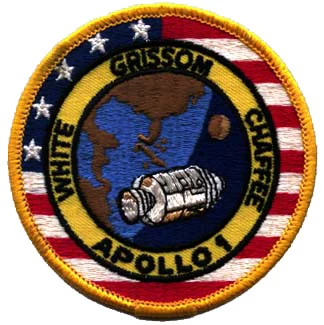
NASA selected Chaffee in Astronaut Group 3 in 1963. He worked in support roles during Gemini and was later assigned as pilot for Apollo 1, the first planned crewed Apollo mission, alongside Gus Grissom and Ed White. For Chaffee, Apollo 1 would have been his first spaceflight and a major step from support work into a prime crew assignment.
On January 27, 1967, Chaffee, Grissom, and White died in a cabin fire during a launch rehearsal test at Cape Kennedy. The accident led NASA to redesign the Apollo spacecraft, change procedures, and confront serious safety failures before crewed Apollo flights resumed. Chaffee never reached space, but his place in Apollo history is inseparable from the changes that made later lunar missions possible.
Chaffee's background fit the broader pattern of the early astronaut corps: technical training, operational discipline, and a career built around difficult work before spaceflight. His formal education included Purdue University (B.S. Aeronautical Engineering, 1957). His service background is recorded as Lieutenant , United States Navy. His personal record also sits alongside a family life recorded as married, two children, a reminder that these careers unfolded within ordinary lives as well as national history.
Chaffee's flown space career centered on Apollo 1, where he served as Pilot. Planned as the first crewed Apollo command and test in Earth orbit. The crew died in a cabin fire during a launch rehearsal test on January 27, 1967; The accident led to major spacecraft, procedure, and safety redesigns before crewed Apollo flights resumed.