
Richard F. Gordon Jr.
Richard Francis Gordon Jr. was a naval aviator, test pilot, astronaut, and one of the Apollo command module pilots who traveled to the Moon without landing. Born in Seattle, he studied chemistry at the University of Washington before entering the United States Navy. His aviation and test-pilot experience led to his selection in NASA Astronaut Group 3 in 1963.
- Born
- October 5, 1929
- Died
- November 6, 2017
- Birthplace
- Seattle, Washington,United States
Flights
2
Spacewalks
2
EVA time
2 hours, 41 minutes
In space
13 days, 3 hours, 53 minutes
Bio
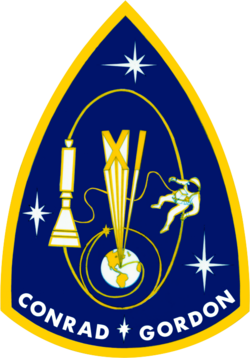
Gordon first flew on Gemini 11 with Pete Conrad. The mission docked with an Agena target vehicle, reached a record high Earth orbit, and included work that showed both the promise and difficulty of spacewalking before improved restraints and procedures were fully developed. Gemini 11 helped refine , docking, tether, and EVA techniques for Apollo.
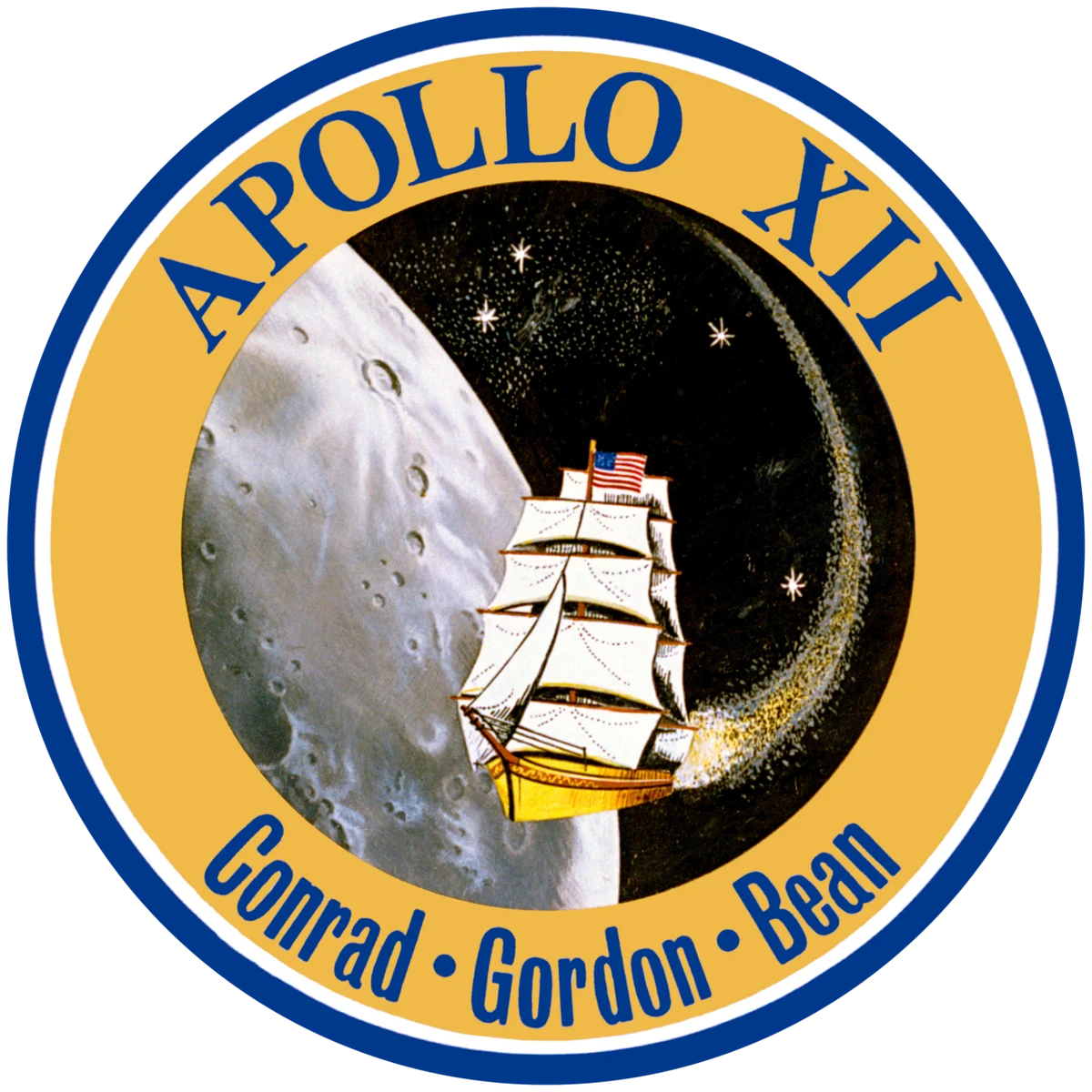
On Apollo 12, Gordon served as Command Module Pilot while Conrad and Alan Bean landed in the Ocean of Storms. Alone aboard Yankee Clipper, he maintained the command module, performed lunar-orbit observations, and prepared for the rendezvous that would bring the landing crew home. Gordon was later assigned to command Apollo 18 before that mission was canceled, making him one of the astronauts most directly affected by the early end of Apollo lunar exploration.
Gordon's background fit the broader pattern of the early astronaut corps: technical training, operational discipline, and a career built around difficult work before spaceflight. His formal education included University of Washington (B.S. Chemistry, 1951). His service background is recorded as Captain, United States Navy. His personal record also sits alongside a family life recorded as two marriages, six children, a reminder that these careers unfolded within ordinary lives as well as national history.