
John W. Young
John Watts Young was one of the defining astronauts of the American space program. Born in San Francisco and raised in Florida and Georgia, he studied aeronautical engineering at the Georgia Institute of Technology before entering the United States Navy. He became a naval aviator, flew from aircraft carriers, and built the test-pilot background that brought him into NASA's second astronaut group in 1962.
- Born
- September 24, 1930
- Died
- January 5, 2018
- Birthplace
- San Francisco, California,United States
Flights
6
Spacewalks
3
EVA time
20 hours, 14 minutes
In space
34 days, 19 hours, 39 minutes
Bio
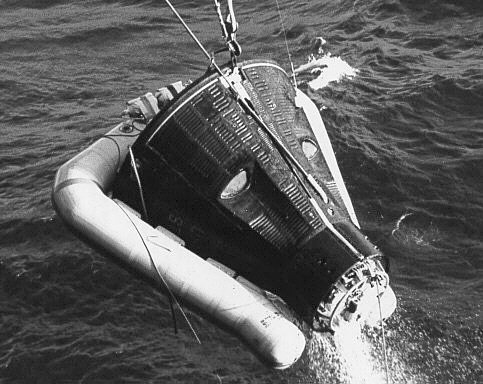
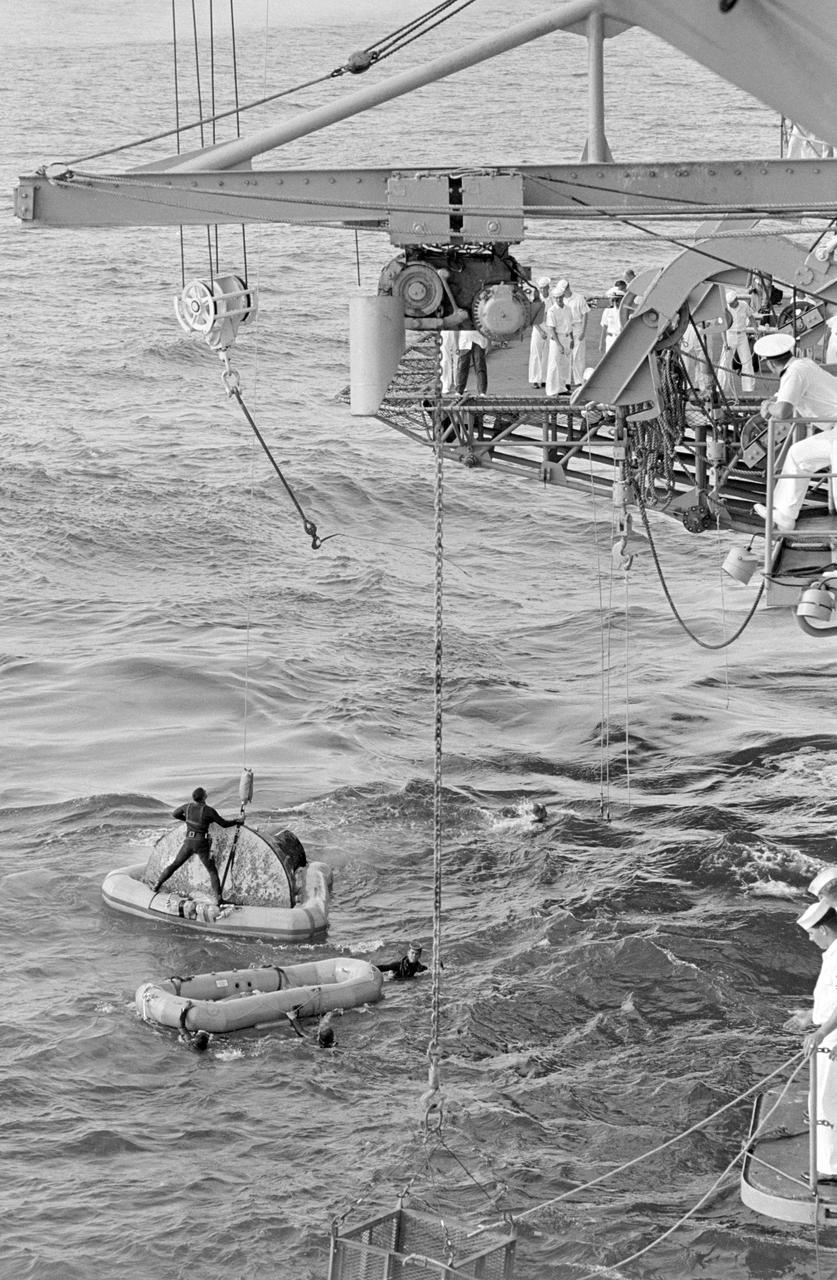
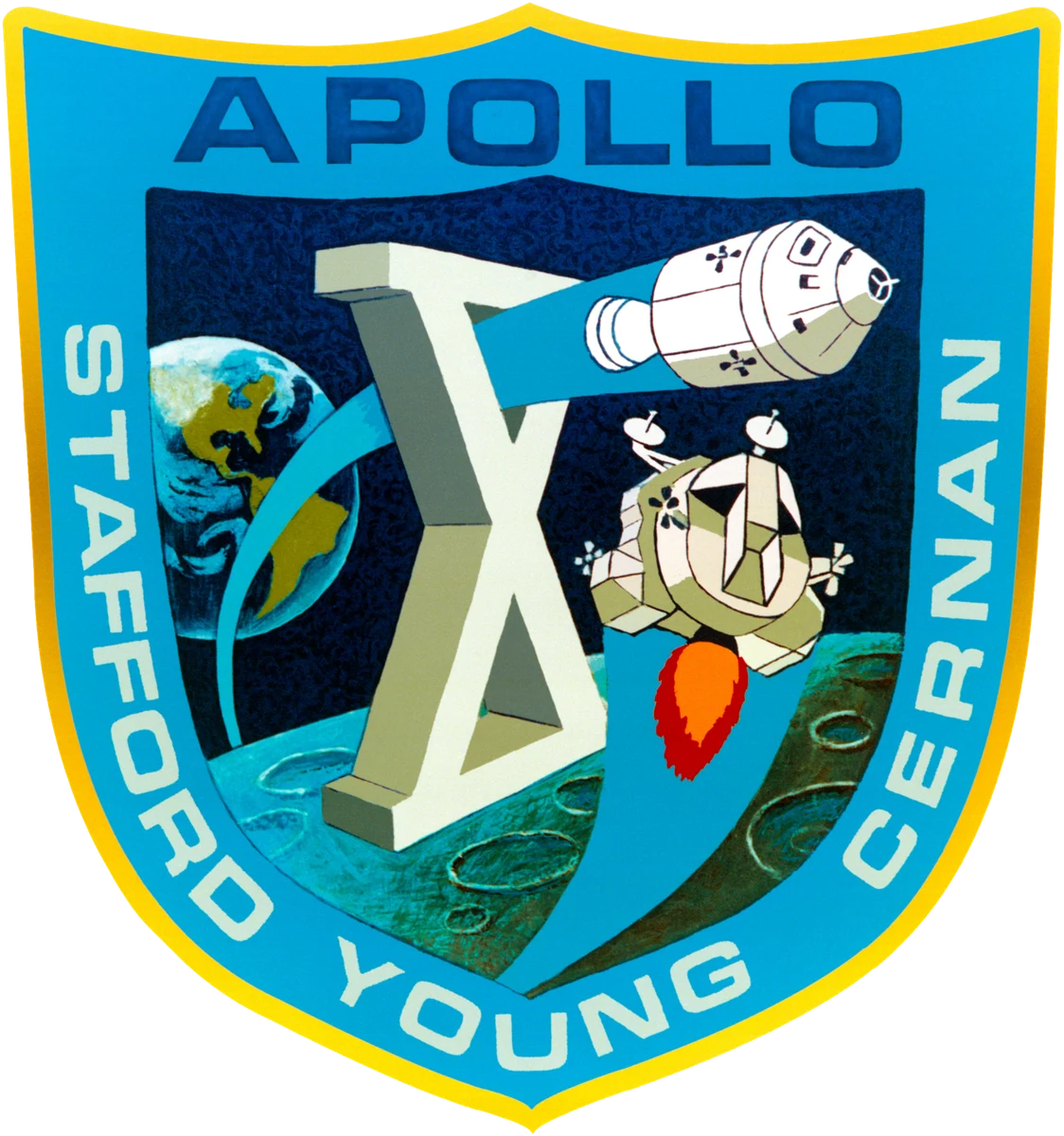
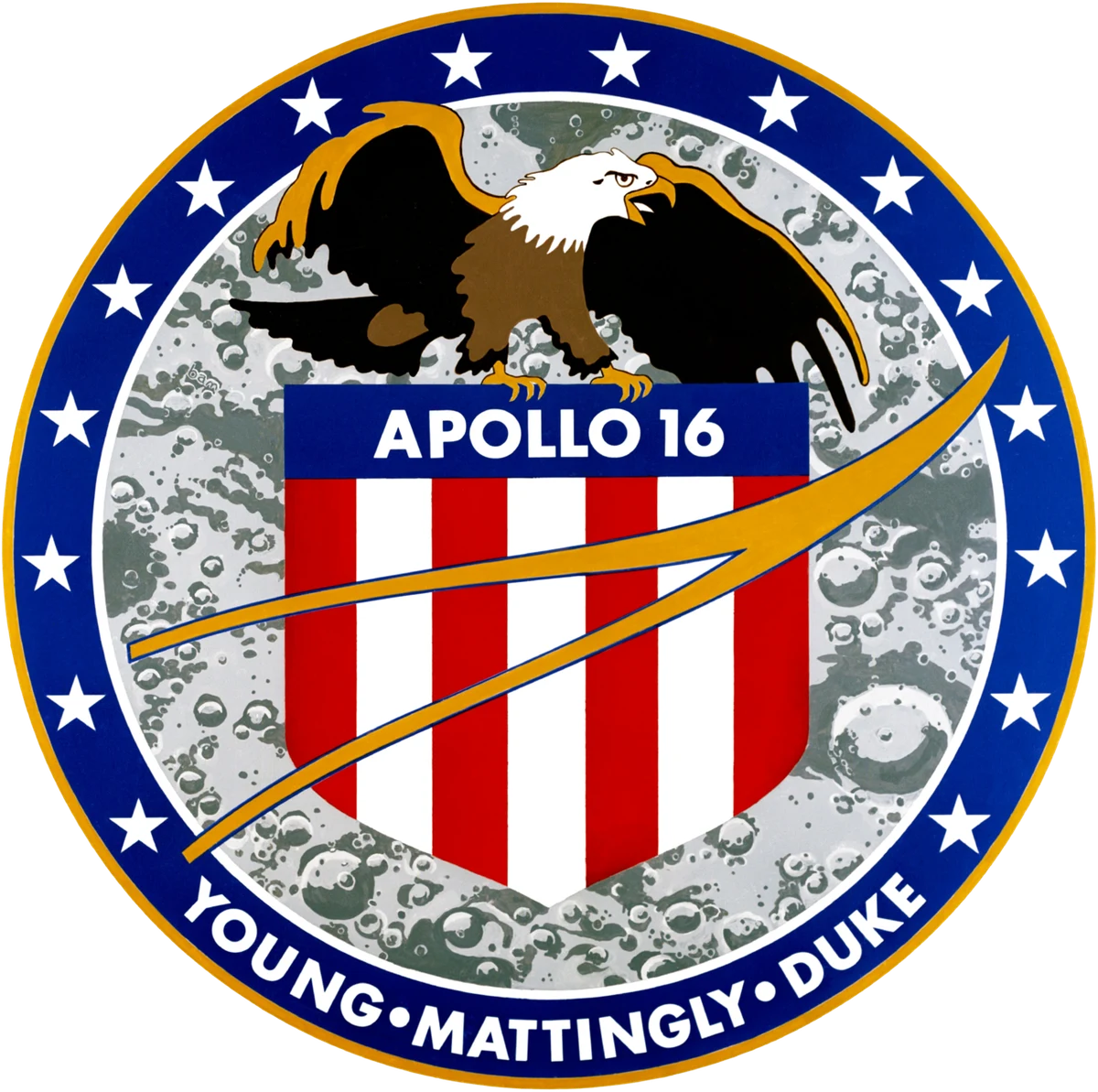
Young's NASA career spanned almost the entire heroic age of American spaceflight. He made his first flight on Gemini 3 with Gus Grissom, then commanded Gemini 10, using the spacecraft to with two separate Agena target vehicles. On Apollo 10, he orbited the Moon as Command Module Pilot while Thomas Stafford and Gene Cernan rehearsed the lunar landing in the lunar module. Three years later, Young commanded Apollo 16, landed in the Descartes highlands with Charles Duke, drove the Lunar Roving Vehicle, collected lunar samples, and became the ninth person to walk on the Moon.
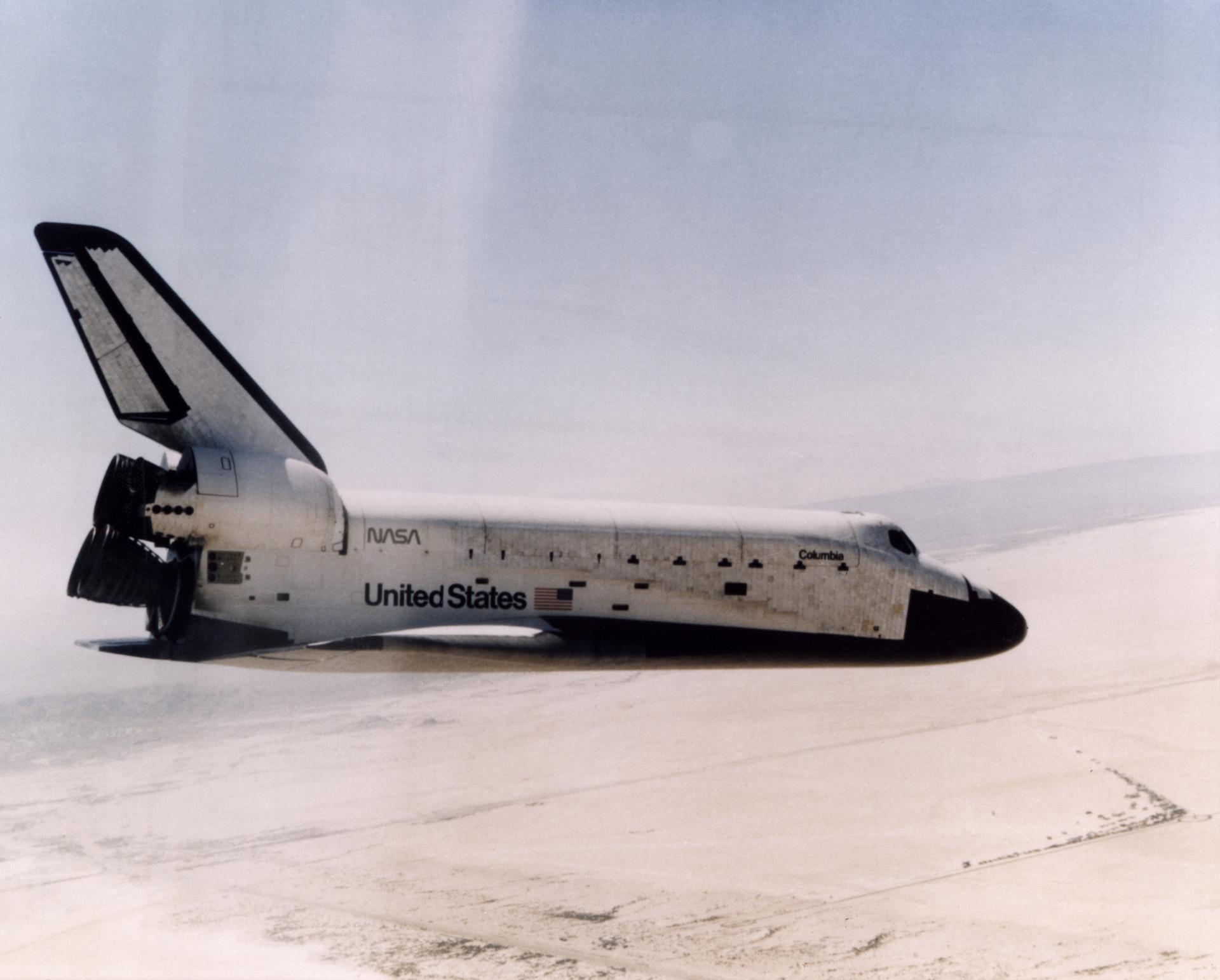
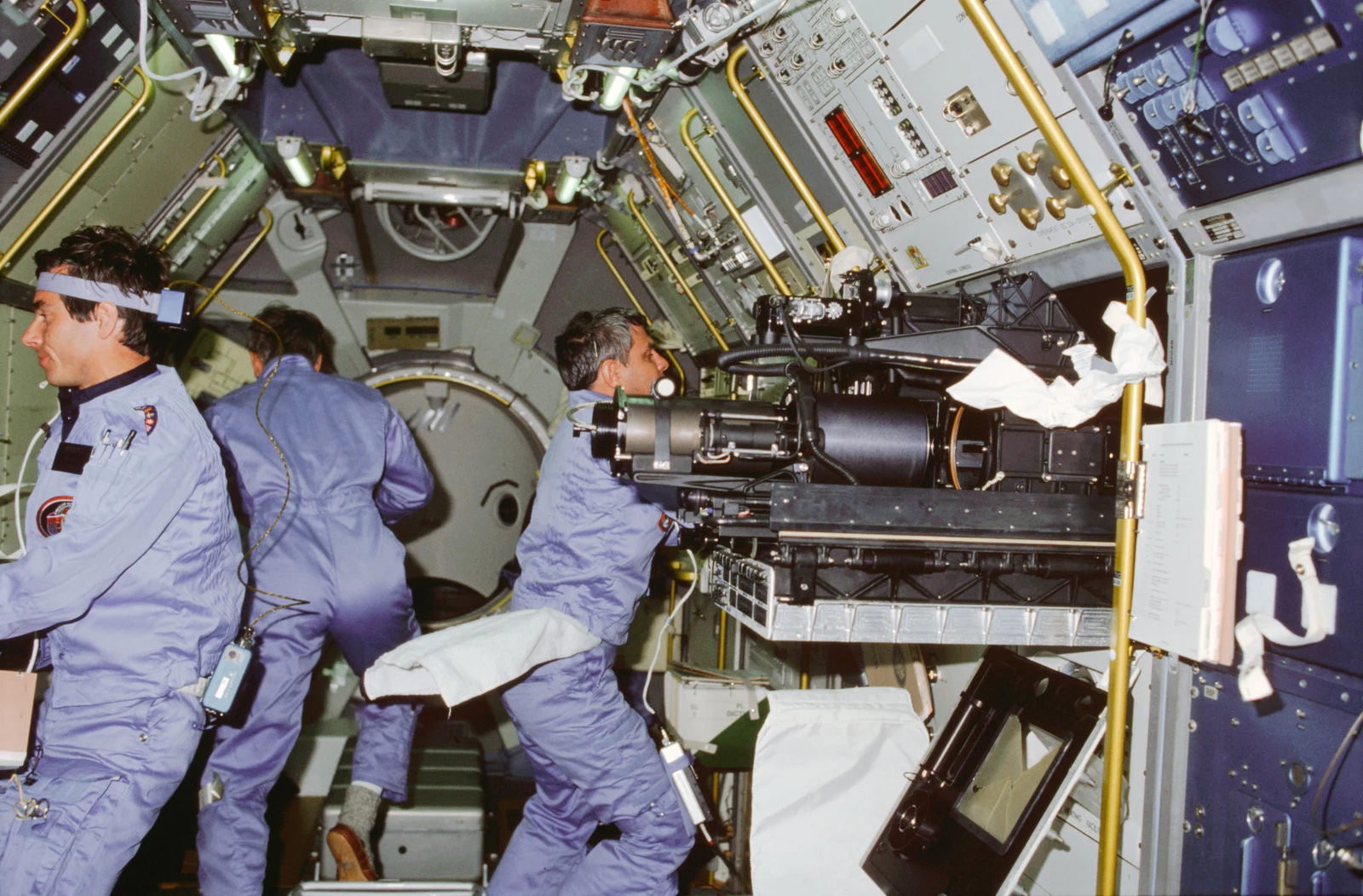
Unlike many Apollo veterans, Young remained central to NASA after the Moon landings. He commanded STS-1, the first orbital flight of the Space Shuttle Columbia, with Robert Crippen in 1981, then commanded STS-9, the first Spacelab mission, in 1983. He later served as Chief of the Astronaut Office and as a senior technical voice inside NASA. By the time he retired in 2004, Young had flown six missions, piloted or commanded four different spacecraft types, and become one of the agency's longest-serving and most influential astronauts.
Young's background fit the broader pattern of the early astronaut corps: technical training, operational discipline, and a career built around difficult work before spaceflight. His formal education included Georgia Institute of Technology (B.S. Aeronautical Engineering, 1952). His service background is recorded as Captain, United States Navy. His personal record also sits alongside a family life recorded as two marriages, two children, a reminder that these careers unfolded within ordinary lives as well as national history.