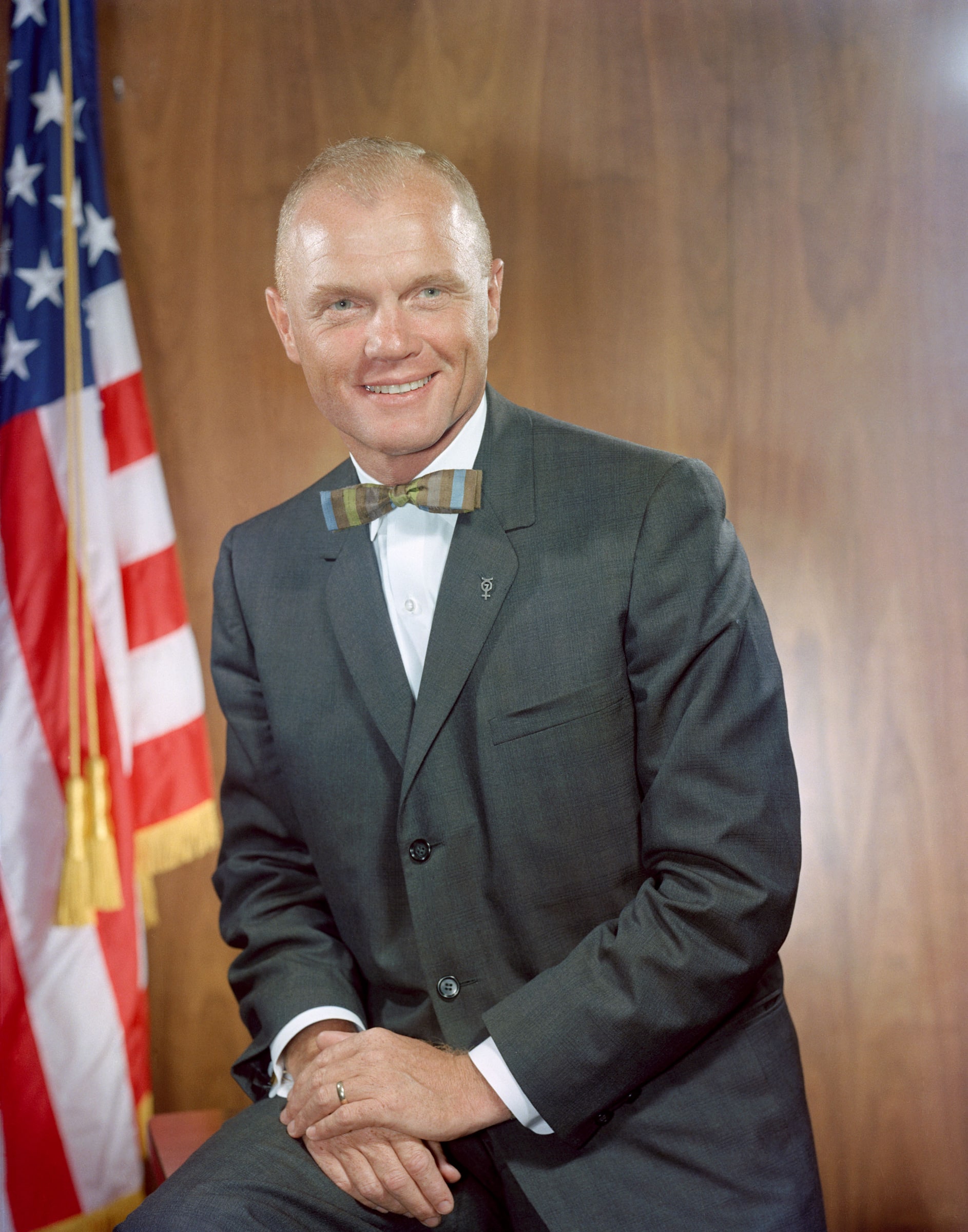
John H. Glenn Jr.
John Herschel Glenn Jr. was a Marine Corps aviator, Mercury astronaut, United States senator, and one of the central public figures of American spaceflight. Born in Cambridge, Ohio, and raised in New Concord, he studied engineering at Muskingum College before entering military aviation during World War II. He flew combat missions in World War II and Korea, became a test pilot, and set a transcontinental speed record before NASA selected him as one of the Mercury Seven in 1959.
- Born
- July 18, 1921
- Died
- December 8, 2016
- Birthplace
- Cambridge, Ohio,United States
Flights
2
Spacewalks
0
EVA time
N/A
In space
9 days, 2 hours, 39 minutes
Bio
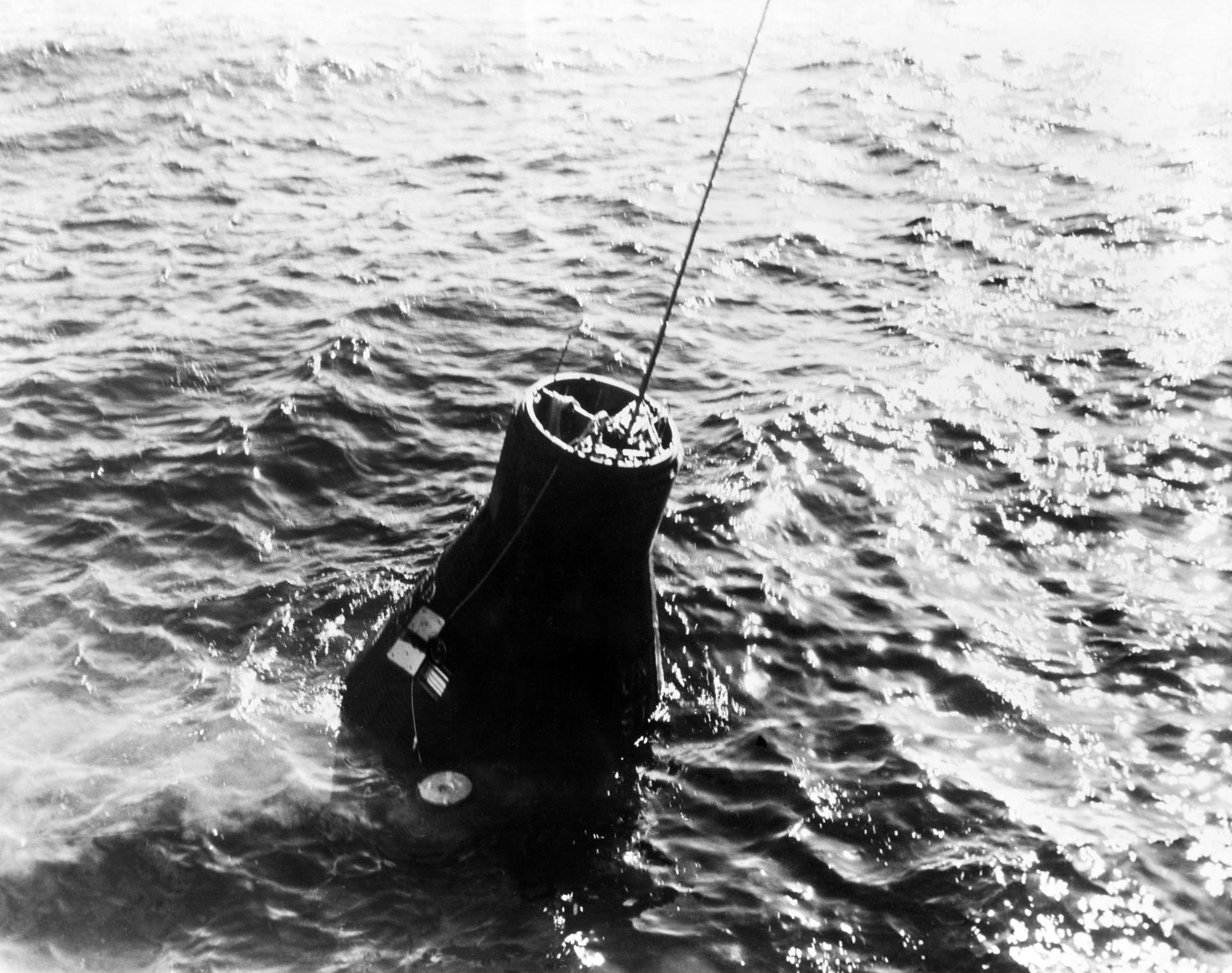
Glenn flew Friendship 7 on Mercury-Atlas 6 in 1962, becoming the first American to orbit Earth. The flight lasted three orbits and gave NASA its first crewed orbital success after the Soviet Union had already placed Yuri Gagarin and Gherman Titov in orbit. A suspected heat-shield issue added tension to , but Glenn and Friendship 7 returned safely and made him a national figure.
After leaving NASA in 1964, Glenn entered public life and represented Ohio in the United States Senate from 1974 to 1999. His political career made him unusual among astronauts: he carried Mercury-era fame into decades of national policy work, including defense, science, and government oversight.
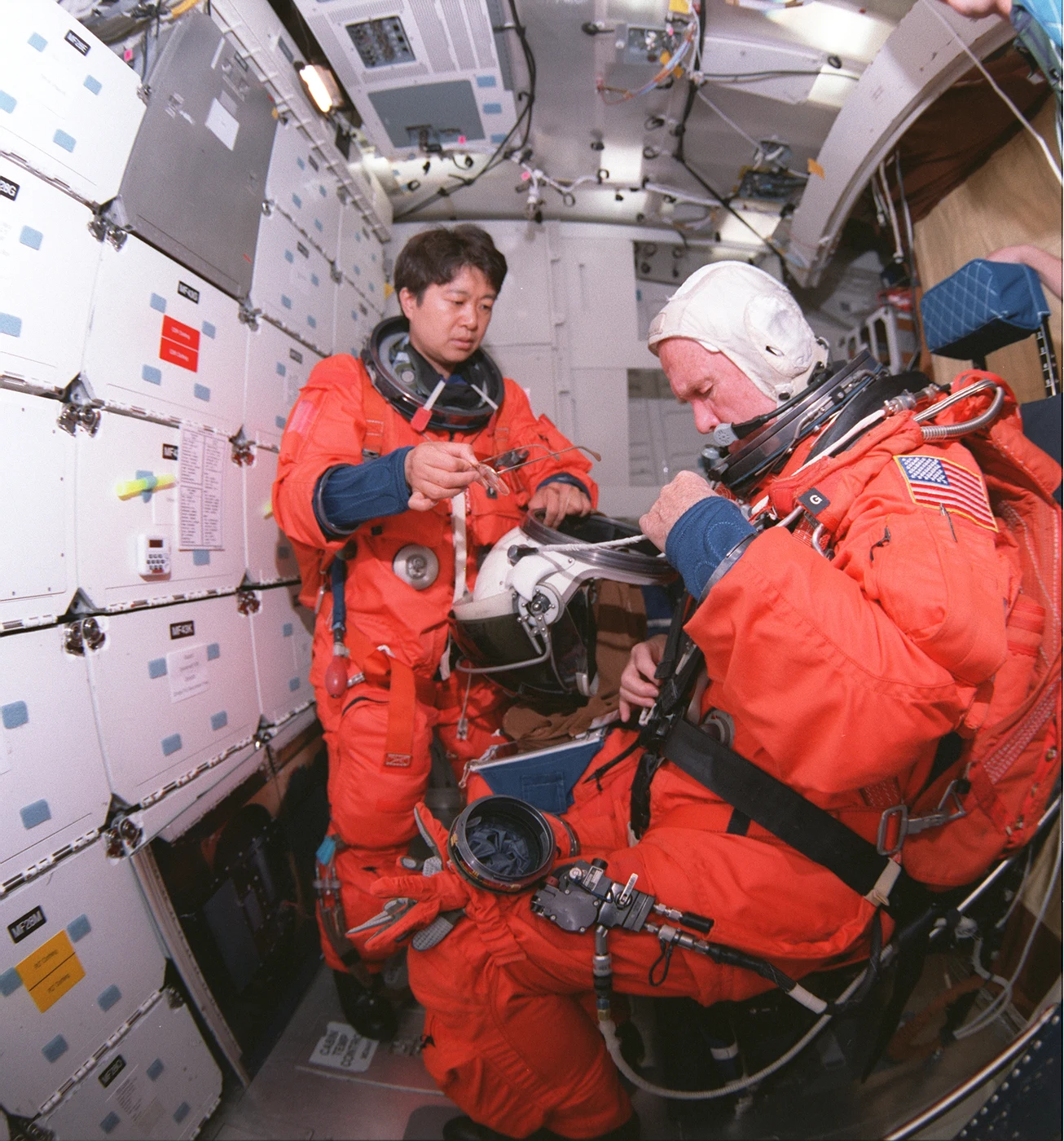
In 1998, Glenn returned to orbit on STS-95 aboard Space Shuttle Discovery as a . At age 77, he became the oldest person to fly in space and the only person to fly in both Mercury and the Space Shuttle program. His second flight connected two very different eras of American human spaceflight.
Glenn's career matters because it reached far beyond a single mission statistic. He was the first American to orbit Earth, a combat and test pilot, a long-serving senator, and a late-career shuttle astronaut whose public life helped keep early spaceflight in the national memory.