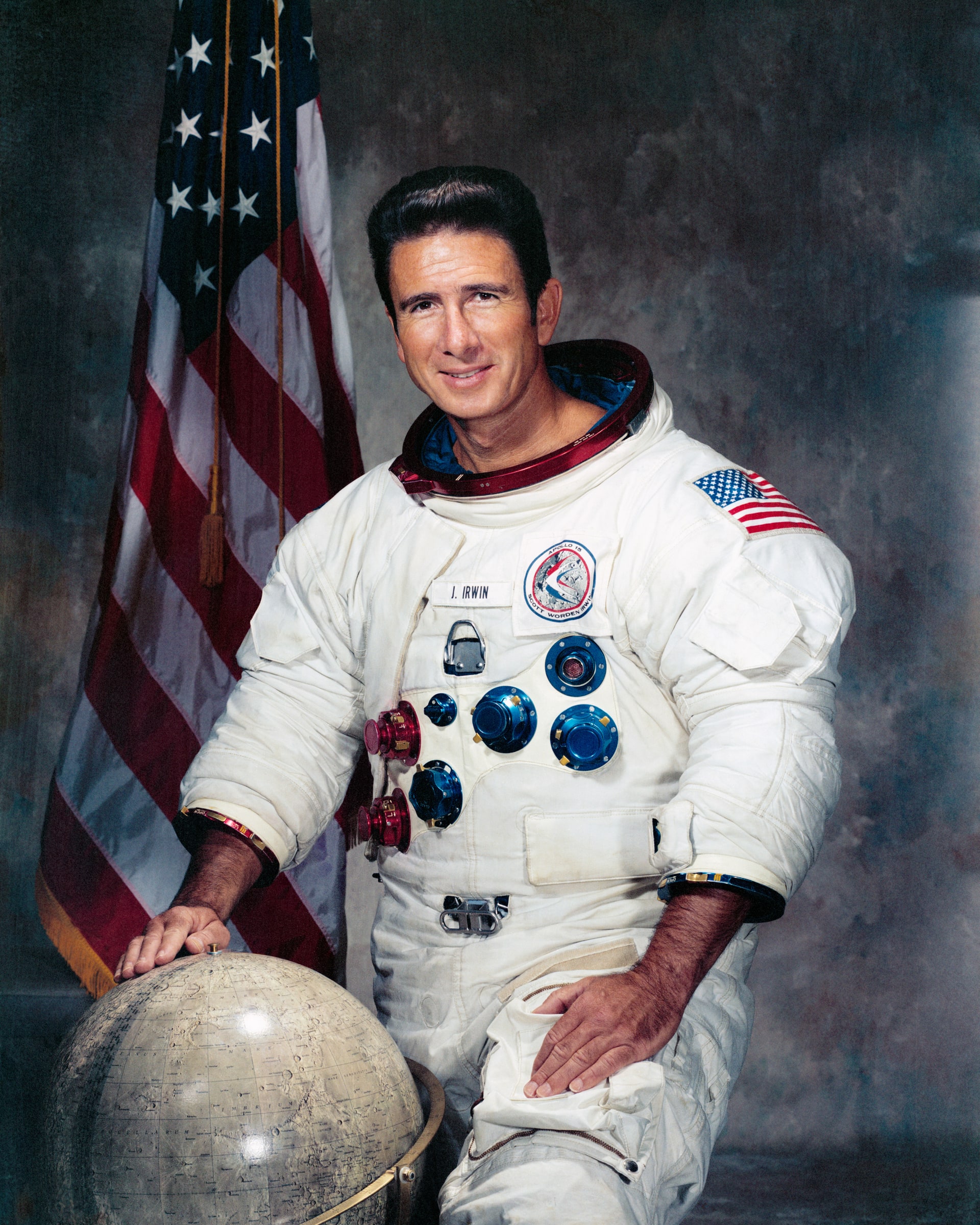
James B. Irwin
James Benson Irwin was an Air Force test pilot and Apollo astronaut whose brief NASA flight career was followed by a very different public life. Born in Pittsburgh and raised in Utah, he graduated from the United States Naval Academy, entered the Air Force, and later earned a graduate degree in aeronautical engineering and instrumentation engineering from the University of Michigan. NASA selected him in Astronaut Group 5 in 1966.
- Born
- March 17, 1930
- Died
- August 8, 1991
- Birthplace
- Pittsburgh, Pennsylvania,United States
Flights
1
Spacewalks
4
EVA time
18 hours, 35 minutes
In space
12 days, 7 hours, 12 minutes
Bio
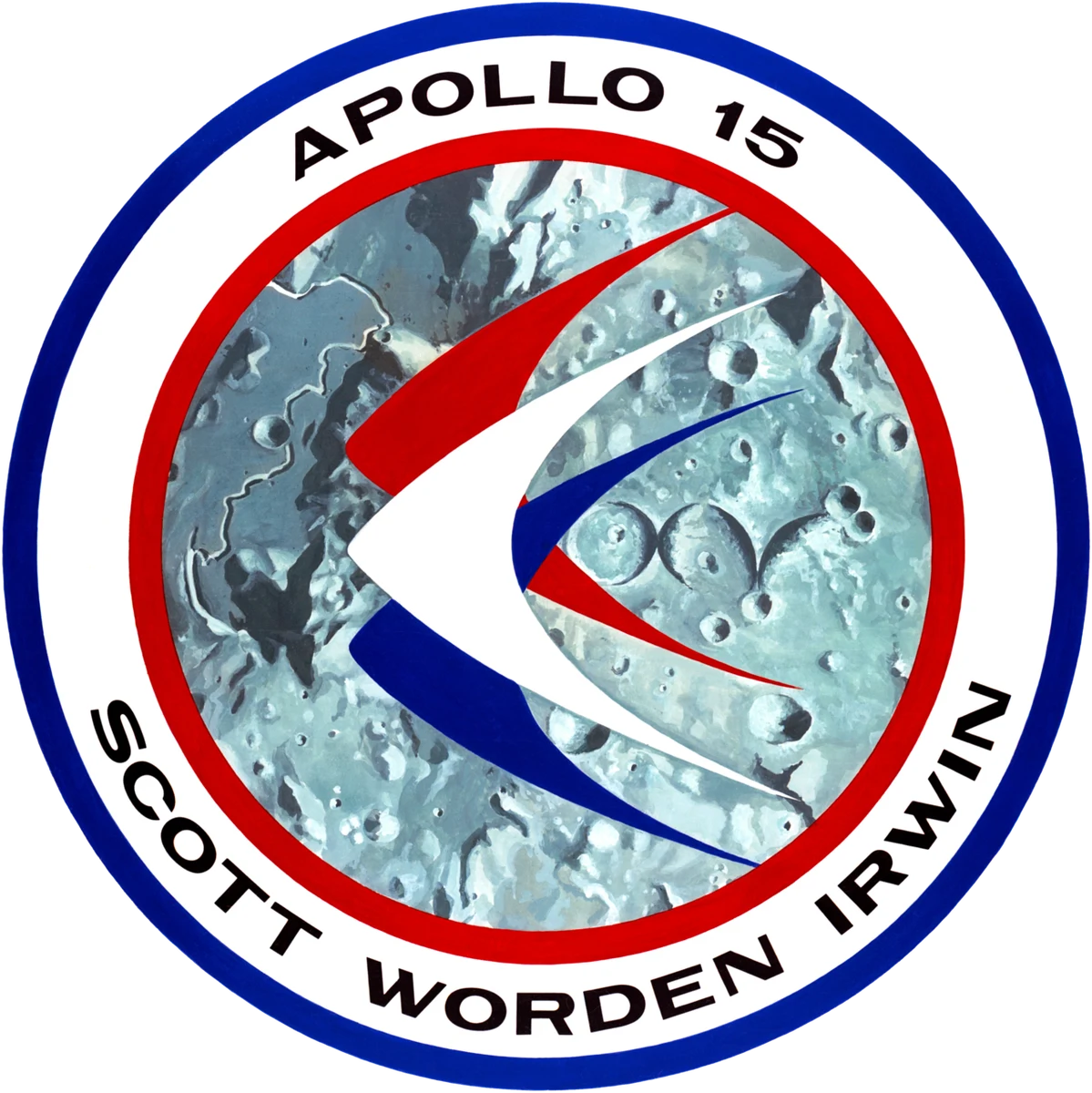
Irwin flew as Lunar Module Pilot on Apollo 15 with David Scott and Al Worden. Scott and Irwin landed at Hadley-Apennine in 1971 on the first extended J-series lunar mission. They used the Lunar Roving Vehicle, conducted long geology traverses, collected samples, and helped make Apollo 15 one of the program's most scientifically important . Irwin became the eighth person to walk on the Moon.
The Apollo 15 mission was physically demanding, and Irwin experienced heart irregularities after the flight. He left NASA the next year and founded the High Flight Foundation, devoting much of his later life to Christian ministry and expeditions connected to his faith. His life after Apollo made him one of the Moonwalkers most strongly associated with the personal and spiritual impact of seeing Earth from deep space.
Irwin's background fit the broader pattern of the early astronaut corps: technical training, operational discipline, and a career built around difficult work before spaceflight. His formal education included United States Naval Academy (B.S. Naval Science, 1951), and University of Michigan (M.S. Aeronautical Engineering and Instrumentation Engineering, 1957). His service background is recorded as Colonel, United States Air Force. His personal record also sits alongside a family life recorded as married, five children, a reminder that these careers unfolded within ordinary lives as well as national history.
Irwin's flown space career centered on Apollo 15, where he served as Lunar Module Pilot. First J-series Apollo mission, with a longer lunar stay and expanded science objectives at Hadley-Apennine. The mission introduced the Lunar Roving Vehicle and greatly expanded Apollo surface mobility and geology work. The record adds another layer to the mission: About 18 hours, 35 minutes with David Scott across three lunar surface EVAs.