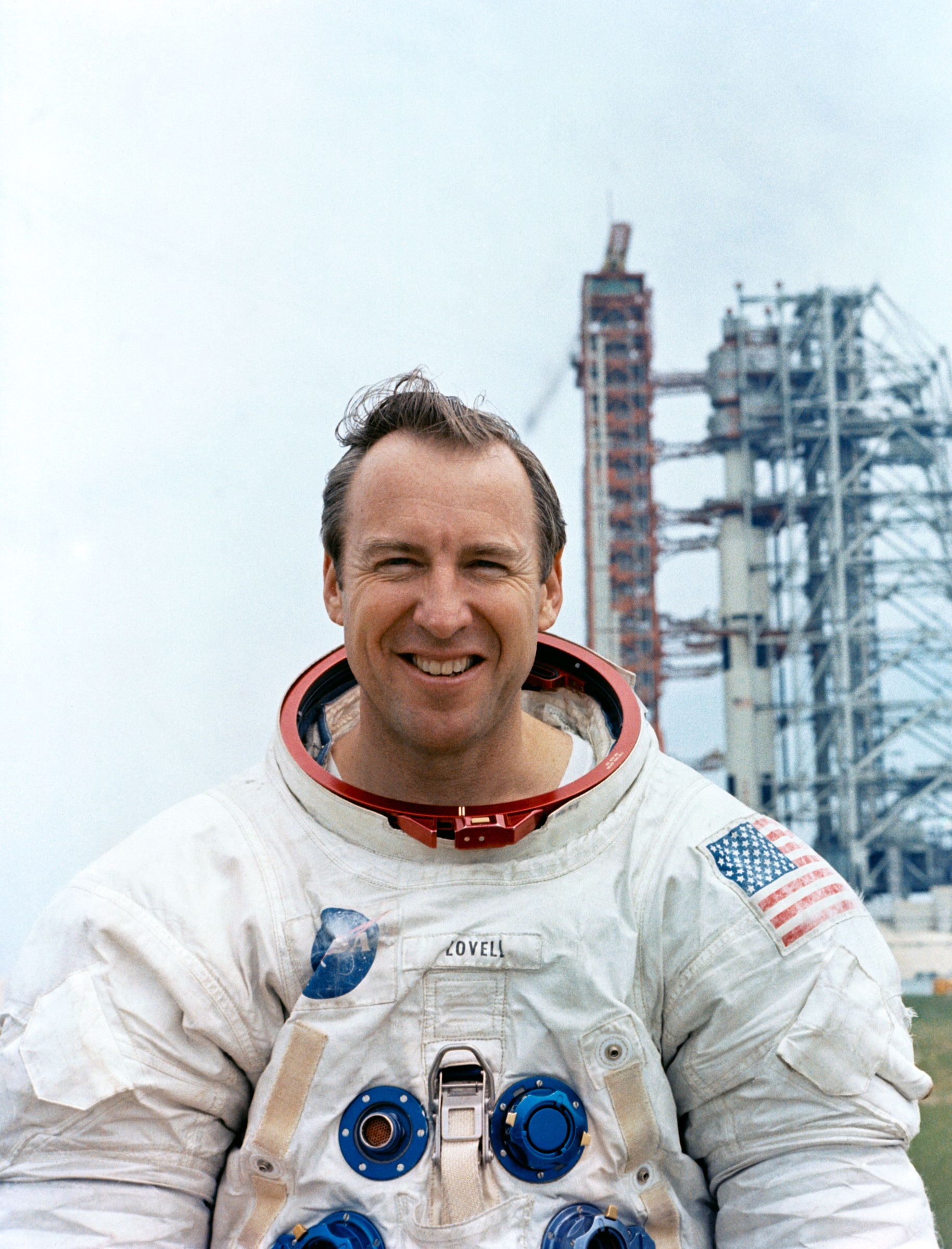
James Arthur Lovell Jr.
James Arthur Lovell Jr. was a naval aviator, test pilot, and one of the most traveled astronauts of the Apollo era. Born in Cleveland and raised in the Midwest, he graduated from the United States Naval Academy and became a Navy pilot before NASA selected him in Astronaut Group 2 in 1962. His calm leadership and endurance made him central to both Gemini and Apollo.
- Born
- March 25, 1928
- Died
- August 7, 2025
- Birthplace
- Cleveland, Ohio,United States
Flights
4
Spacewalks
0
EVA time
N/A
In space
29 days, 19 hours, 3 minutes
Bio
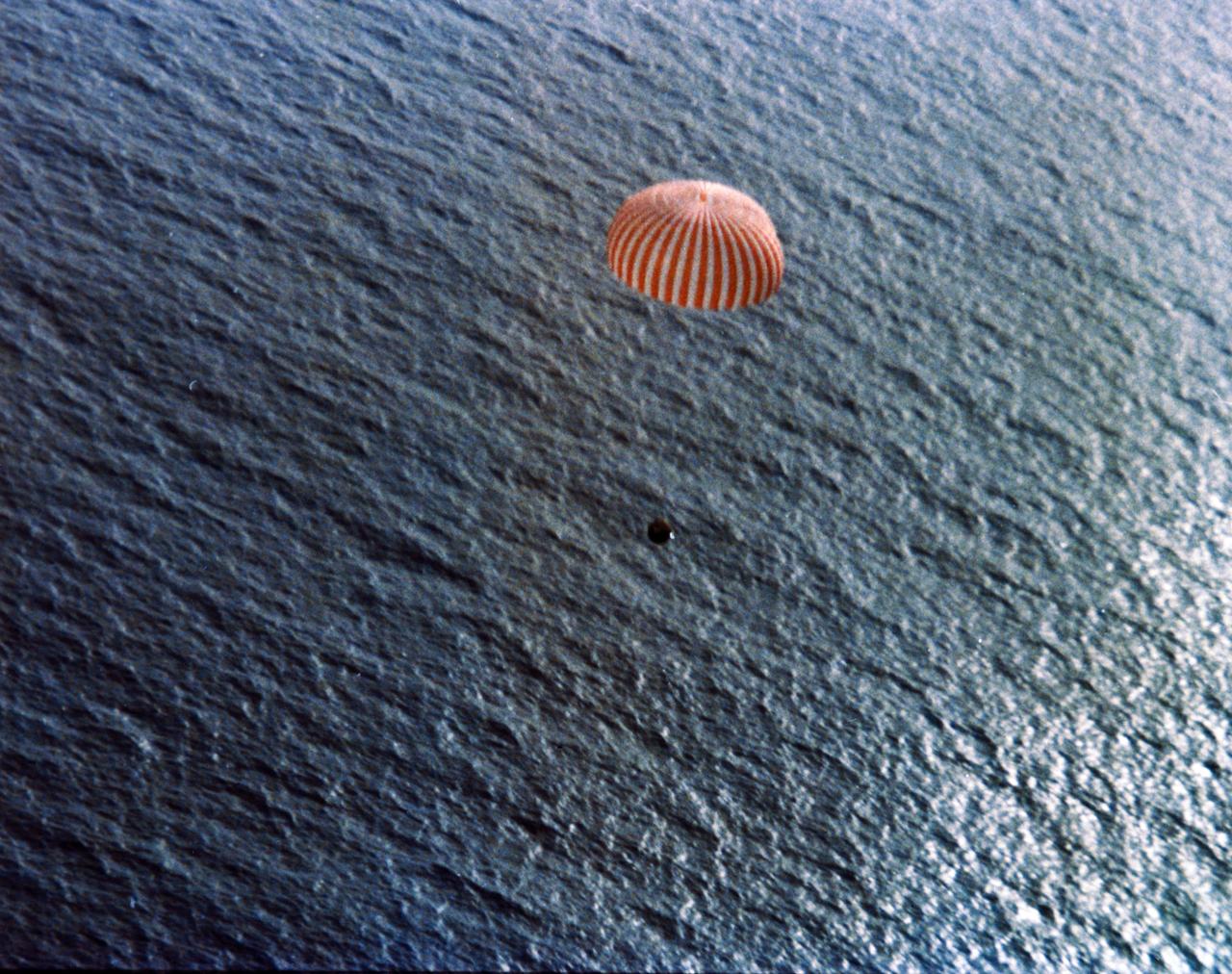
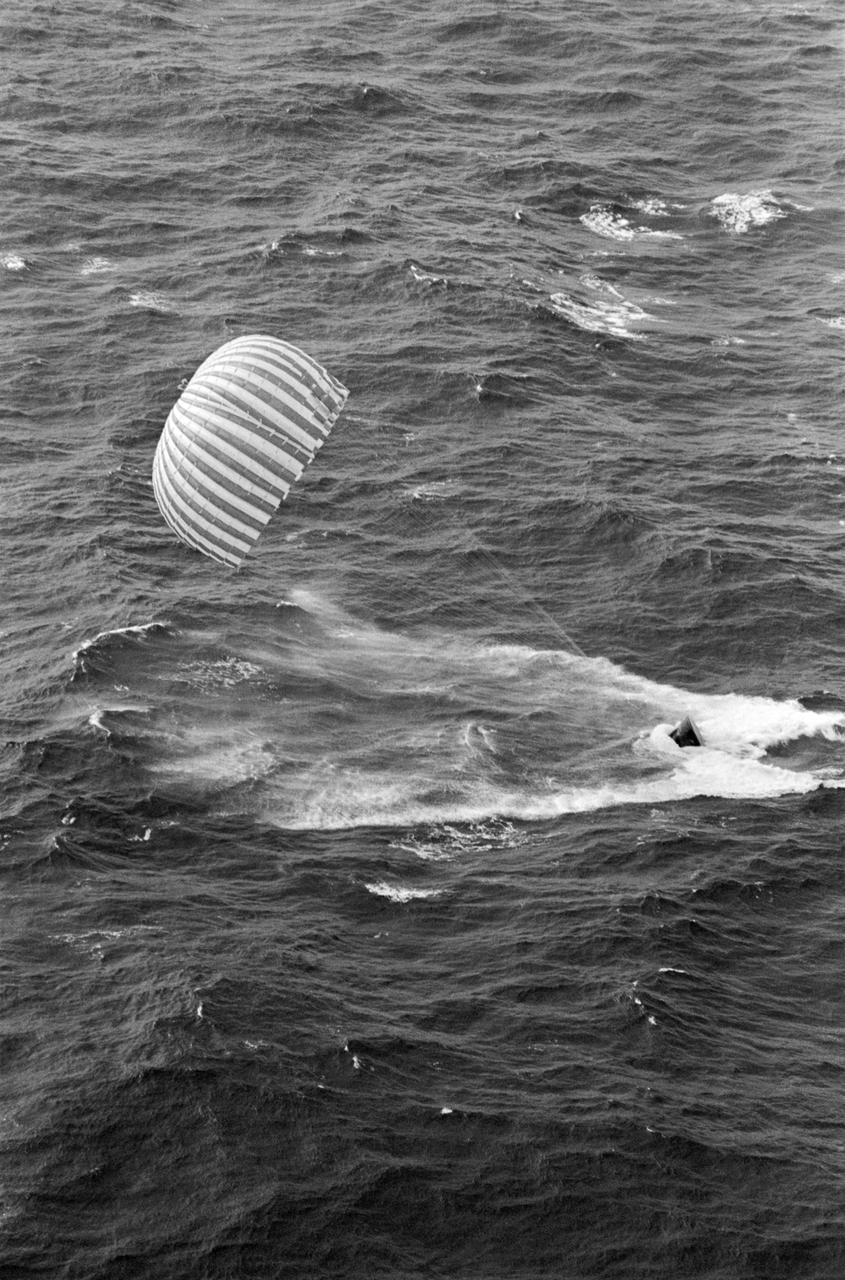
Lovell first flew on Gemini 7 with Frank Borman, spending nearly fourteen days in orbit and helping prove that crews could survive the duration required for a lunar mission. He later commanded Gemini 12 with Buzz Aldrin, closing the Gemini program by demonstrating improved , docking, and techniques. Those flights made Lovell one of NASA's most experienced astronauts before Apollo reached the Moon.
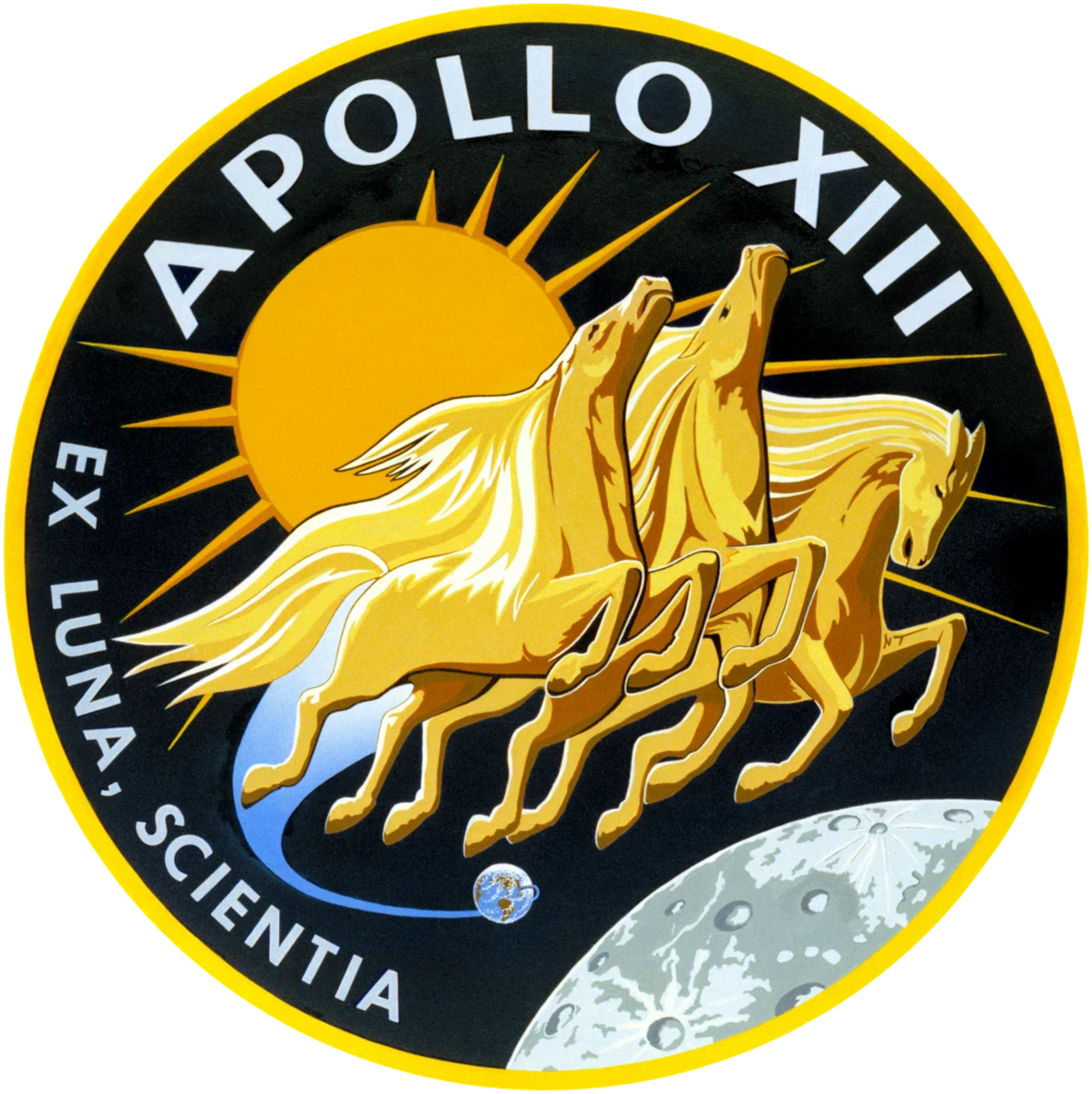
On Apollo 8, Lovell served as Command Module Pilot and became one of the first three humans to orbit the Moon. He later commanded Apollo 13, intended as a lunar landing mission until an oxygen tank explosion forced the crew into a fight for survival. Lovell, Jack Swigert, and Fred Haise returned safely after using the lunar module as a lifeboat. Lovell never walked on the Moon, but he became the first person to travel there twice and one of the defining figures of Apollo resilience.
Lovell's background fit the broader pattern of the early astronaut corps: technical training, operational discipline, and a career built around difficult work before spaceflight. His formal education included United States Naval Academy (B.S. Naval Science, 1952). His service background is recorded as Captain, United States Navy. His personal record also sits alongside a family life recorded as widowed, four children, a reminder that these careers unfolded within ordinary lives as well as national history.