
Frank Borman
Frank Frederick Borman II was an Air Force officer, test pilot, astronaut, and of one of the most consequential flights in human spaceflight history. Born in Indiana and raised partly in Arizona, he graduated from the United States Military Academy and later earned a master's degree in aeronautical engineering from Caltech. NASA selected him in Astronaut Group 2 in 1962.
- Born
- March 14, 1928
- Died
- November 7, 2023
- Birthplace
- Gary, Indiana,United States
Flights
2
Spacewalks
0
EVA time
N/A
In space
19 days, 21 hours, 35 minutes
Bio
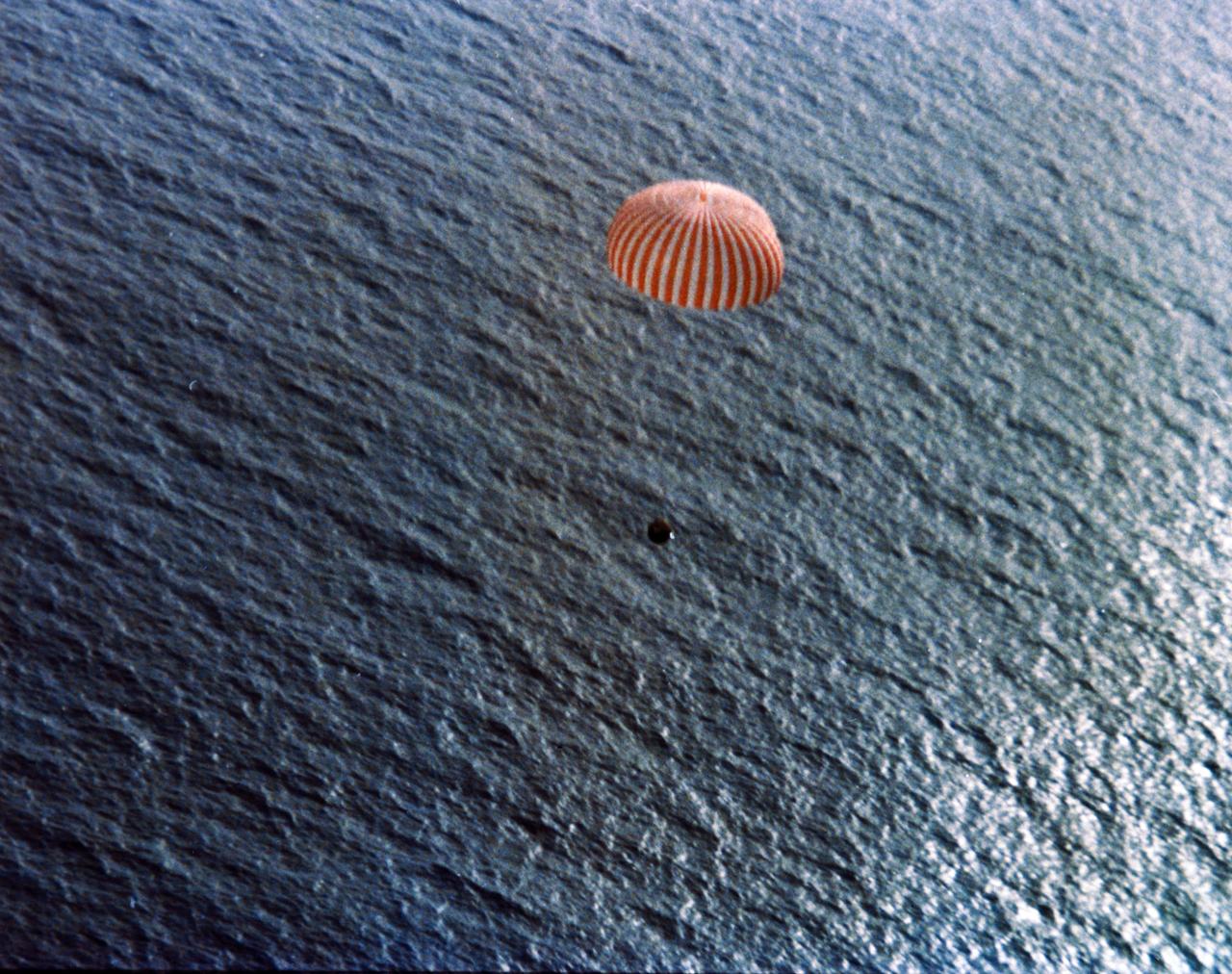
Borman commanded Gemini 7 with Jim Lovell, spending nearly fourteen days in orbit to prove that astronauts and spacecraft could endure a lunar-mission-length flight. Gemini 7 also served as the target for Gemini 6A, producing the first crewed in space. The mission was physically demanding and operationally important, giving NASA confidence in long-duration flight before Apollo.
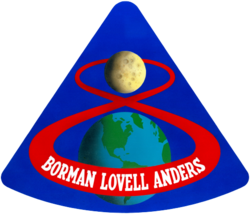
Borman later commanded Apollo 8, the first crewed mission to leave Earth orbit, travel to the Moon, and orbit another celestial body. With Lovell and William Anders, he helped transform Apollo from Earth-orbit testing into lunar exploration. The crew's Earthrise photograph and Christmas Eve broadcast became defining cultural moments of the 1960s. After NASA, Borman moved into airline leadership and eventually became chief executive of Eastern Air Lines.
Borman's background fit the broader pattern of the early astronaut corps: technical training, operational discipline, and a career built around difficult work before spaceflight. His formal education included United States Military Academy (B.S. Military Science, 1950), and California Institute of Technology (M.S. Aeronautical Engineering, 1957). His service background is recorded as Colonel, United States Air Force. His personal record also sits alongside a family life recorded as widowed, two children, a reminder that these careers unfolded within ordinary lives as well as national history.