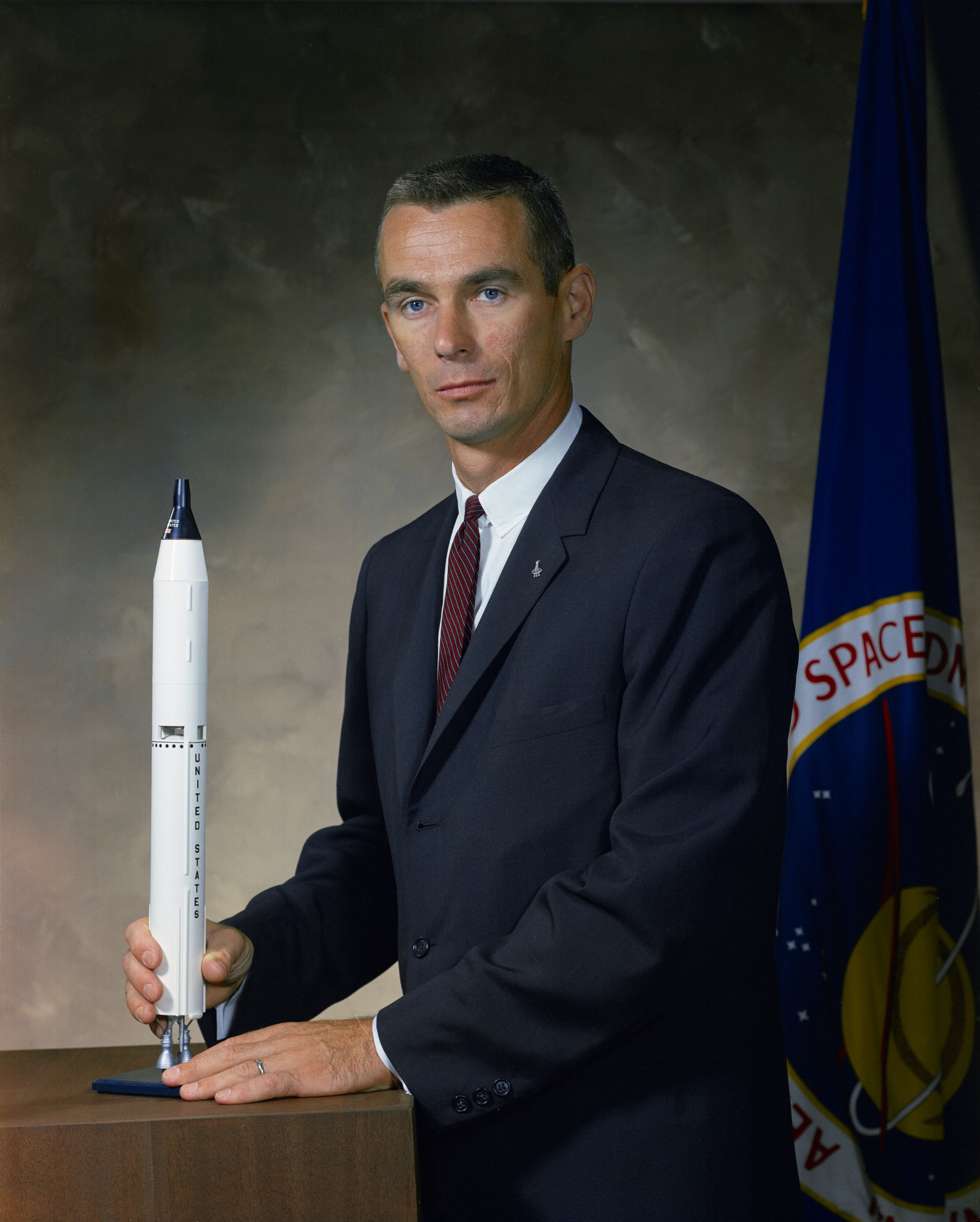
Eugene A. Cernan
Eugene Andrew Cernan was a naval aviator, engineer, and Apollo remembered as the last person to walk on the Moon. Born near Chicago, he studied electrical engineering at Purdue University, entered the United States Navy, and became a pilot before earning a graduate degree in aeronautical engineering. NASA selected him in Astronaut Group 3 in 1963.
- Born
- March 14, 1934
- Died
- January 16, 2017
- Birthplace
- Chicago, Illinois,United States
Flights
3
Spacewalks
4
EVA time
24 hours, 11 minutes
In space
23 days, 14 hours, 15 minutes
Bio
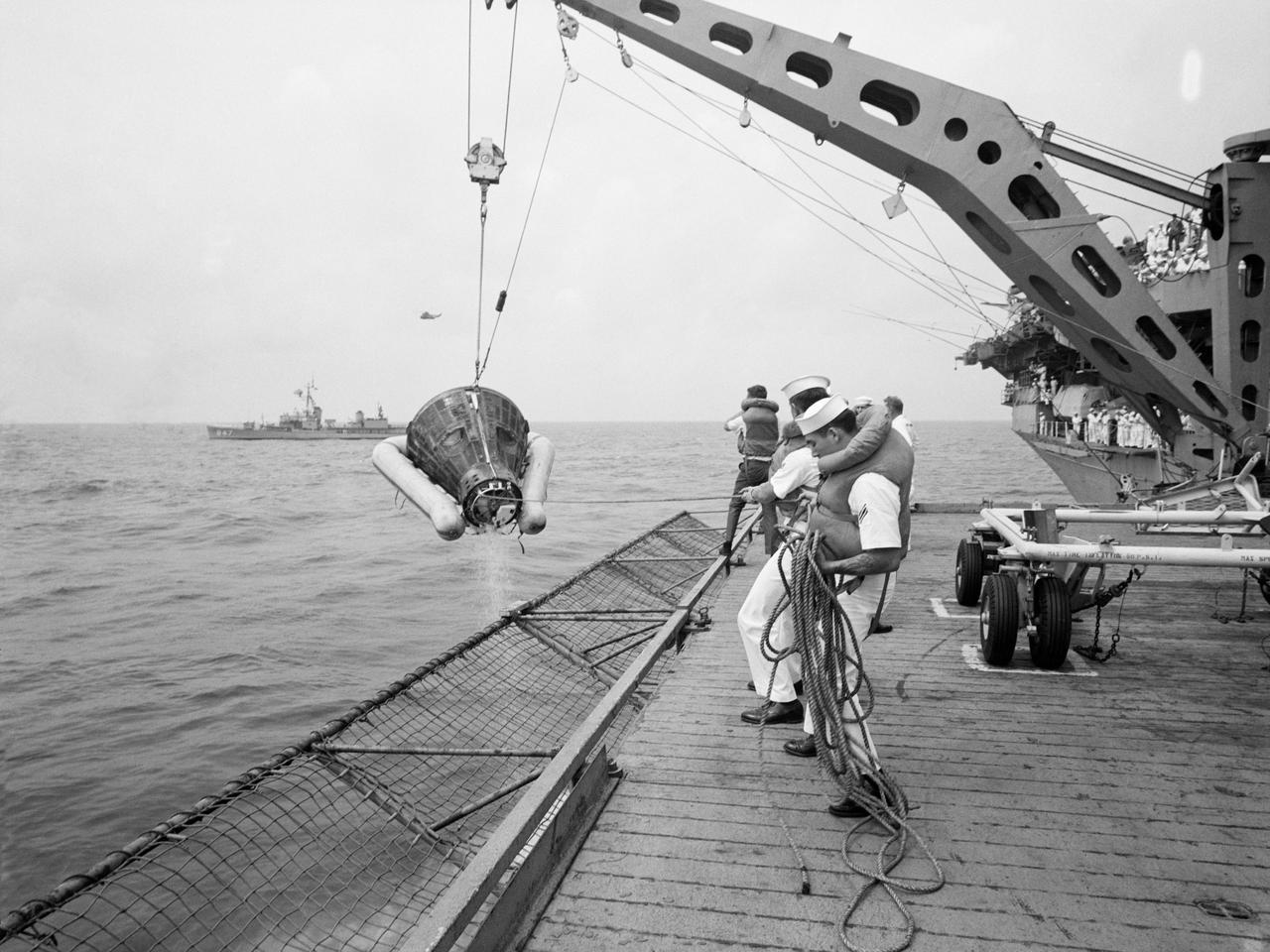
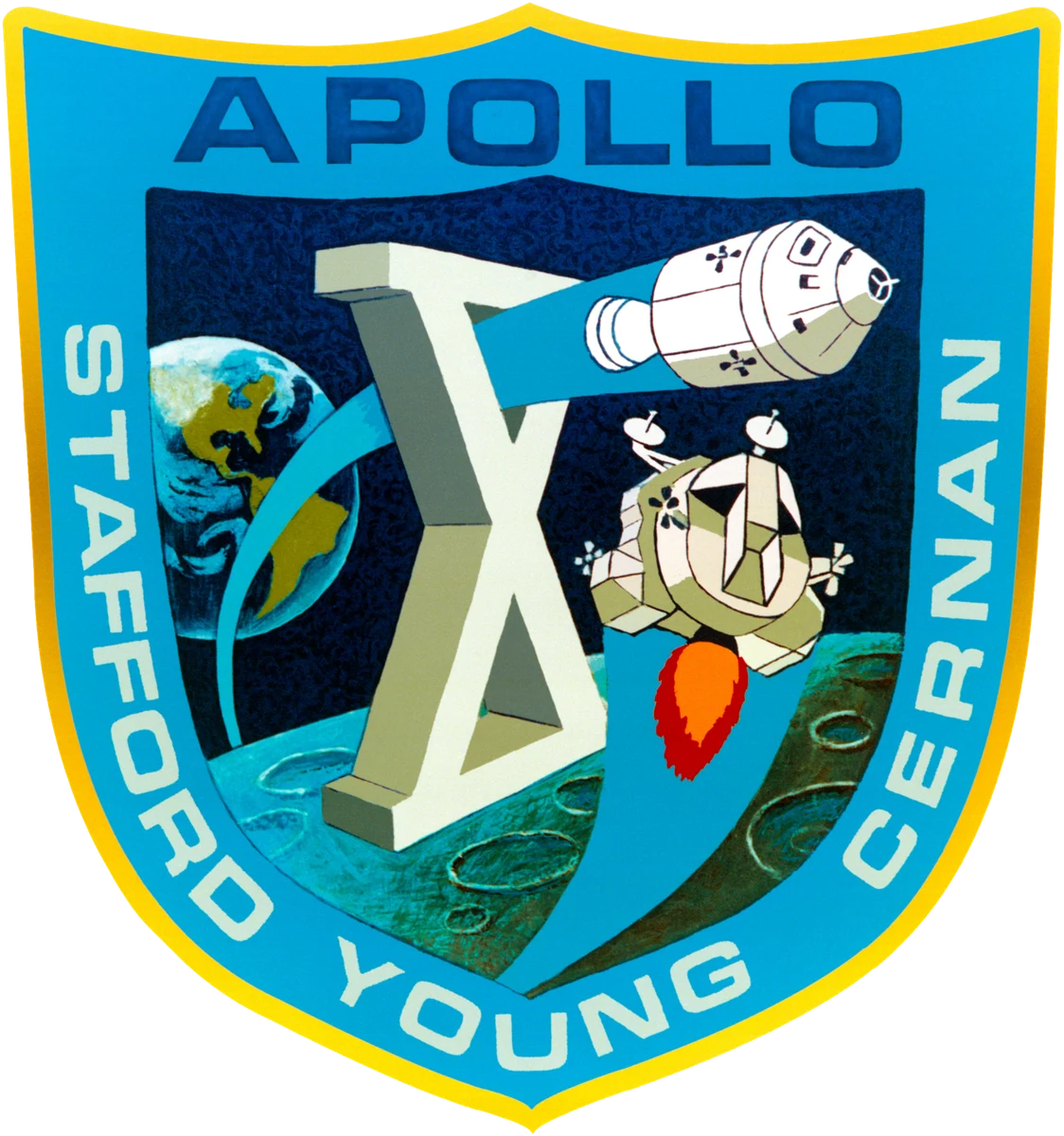
Cernan's first spaceflight, Gemini 9A, included an early American that showed how difficult spacewalking could be without the right restraints, cooling, and task planning. He returned to the Moon on Apollo 10, flying the lunar module Snoopy with Thomas Stafford down to a low pass above the surface while John Young remained in lunar orbit. That mission rehearsed the timing, navigation, and procedures Apollo 11 would soon use.
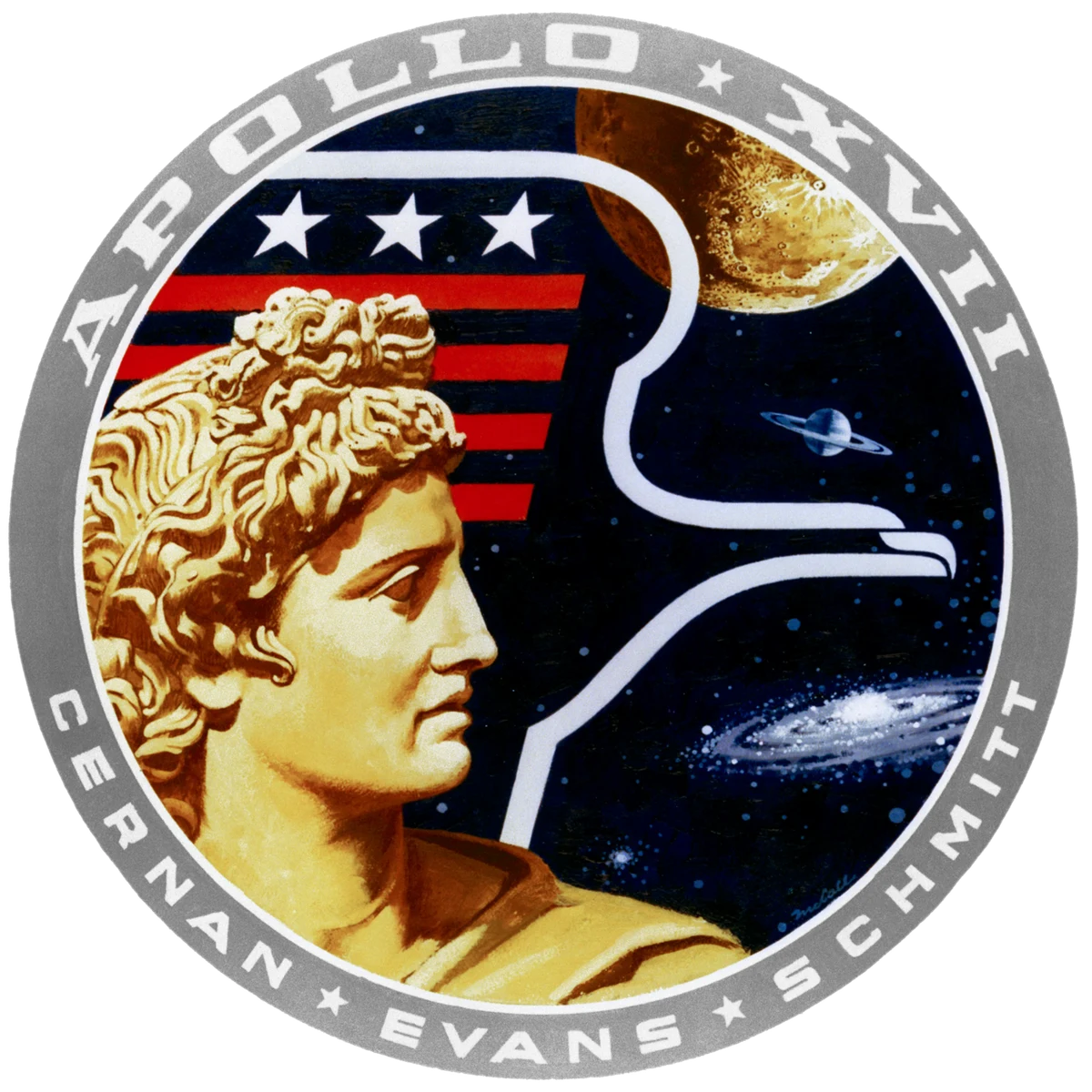
In 1972, Cernan commanded Apollo 17, the final Apollo lunar landing. With Harrison Schmitt, he explored Taurus-Littrow using the Lunar Roving Vehicle, completed three EVAs, and helped close the Apollo program with its longest and most scientifically productive lunar mission. His final words from the surface framed Apollo as a beginning rather than an ending, and his later life was closely tied to preserving the memory and purpose of lunar exploration.
Cernan's background fit the broader pattern of the early astronaut corps: technical training, operational discipline, and a career built around difficult work before spaceflight. His formal education included Purdue University (B.S. Electrical Engineering, 1956), and United States Naval Postgraduate School (M.S. Aeronautical Engineering, 1963). His service background is recorded as Captain, United States Navy. His personal record also sits alongside a family life recorded as two marriages, one biological child, two stepchildren, a reminder that these careers unfolded within ordinary lives as well as national history.