
Edward Higgins White II
Edward Higgins White II was an Air Force officer, engineer, test pilot, and NASA astronaut whose career became one of the most important bridges between Gemini operations and Apollo's early ambitions. Born in San Antonio, Texas, he grew up in a military family and followed a path that combined athletics, aviation, and engineering. He graduated from the United States Military Academy in 1952, entered the Air Force, and later earned a master's degree in aeronautical engineering from the University of Michigan.
- Born
- November 14, 1930
- Died
- January 27, 1967
- Birthplace
- San Antonio, Texas,United States
Flights
2
Spacewalks
1
EVA time
36 minutes
In space
4 days, 1 hour, 56 minutes
Bio
White served as a fighter pilot in West Germany, flying aircraft such as the F-86 Sabre and F-100 Super Sabre before moving into test-pilot work. He trained at Edwards Air Force Base and worked at Wright-Patterson Air Force Base, gaining the kind of technical and operational experience NASA wanted in its second astronaut group. When NASA selected him in 1962, he joined the "Next Nine," the group that would carry much of the Gemini and Apollo workload after Mercury.
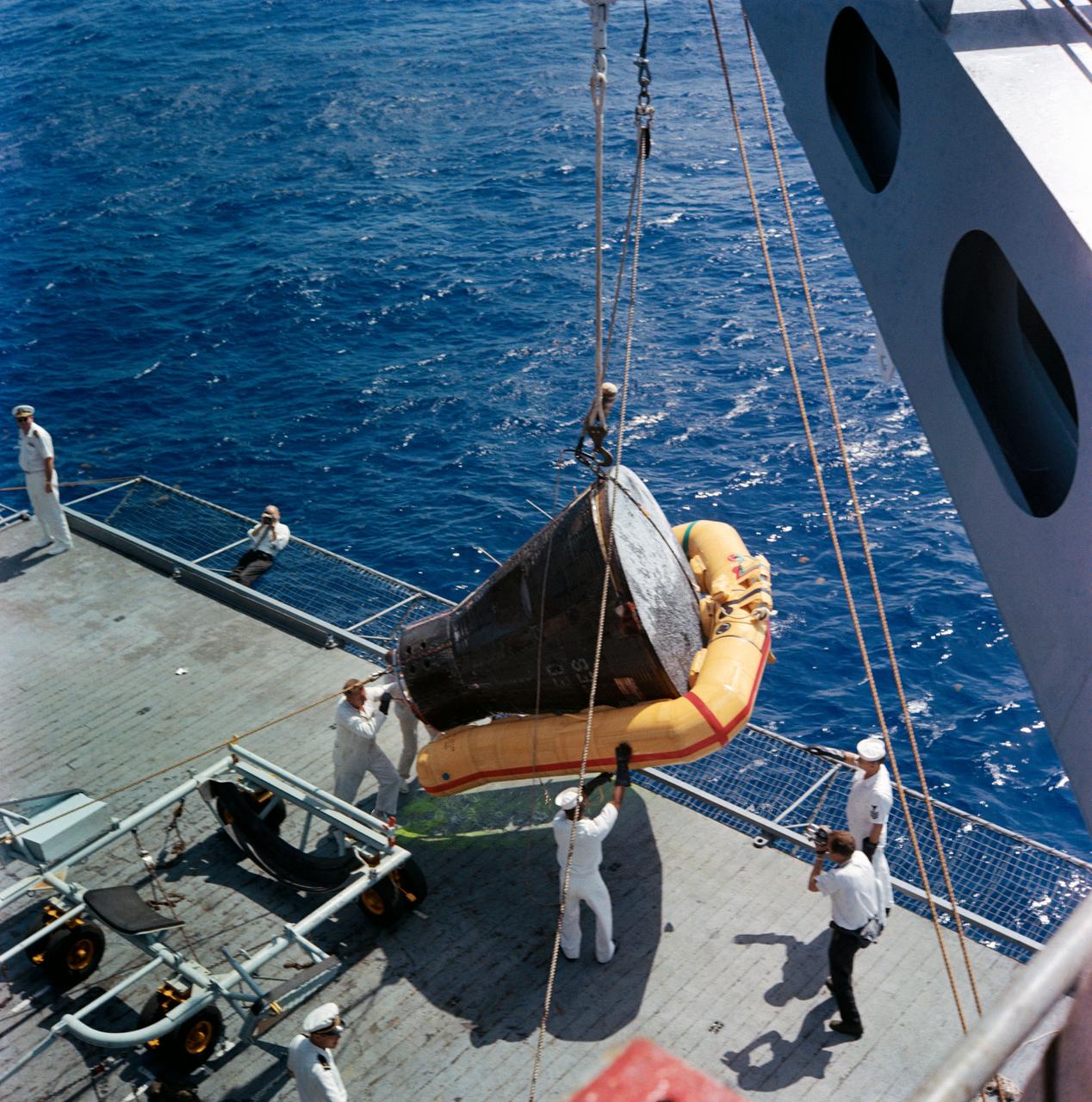
White flew as Pilot on Gemini 4 with James McDivitt in June 1965. The mission lasted four days, but it is remembered most for White's , the first spacewalk by an American astronaut. Using a handheld maneuvering unit and tethered to the spacecraft, White spent about 36 minutes outside Gemini 4. The spacewalk was exhilarating and visually iconic, but it also taught NASA practical lessons about suit performance, astronaut workload, restraint systems, and the difference between simply exiting a spacecraft and doing controlled work outside it.
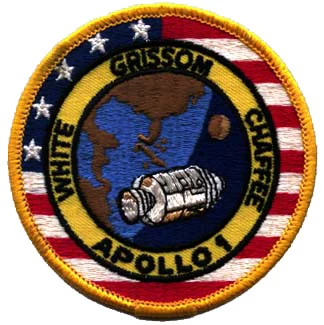
After Gemini, White moved into Apollo. He was assigned as Senior Pilot on Apollo 1 with Gus Grissom and Roger Chaffee, a crew intended to fly the first crewed Apollo command and test in Earth orbit. The assignment placed him at the center of NASA's transition from Gemini's Earth-orbit operations to the spacecraft system that was supposed to carry astronauts to the Moon. Apollo 1 was not a lunar mission, but it was meant to prove the redesigned program could begin crewed flight.
On January 27, 1967, White, Grissom, and Chaffee died in a cabin fire during a launch rehearsal test at Cape Canaveral. The accident exposed serious design, materials, and procedural failures in the Apollo spacecraft and forced NASA into a painful redesign before crewed flights resumed. White's death, along with those of his crewmates, became part of the reason later Apollo missions were safer and more disciplined.