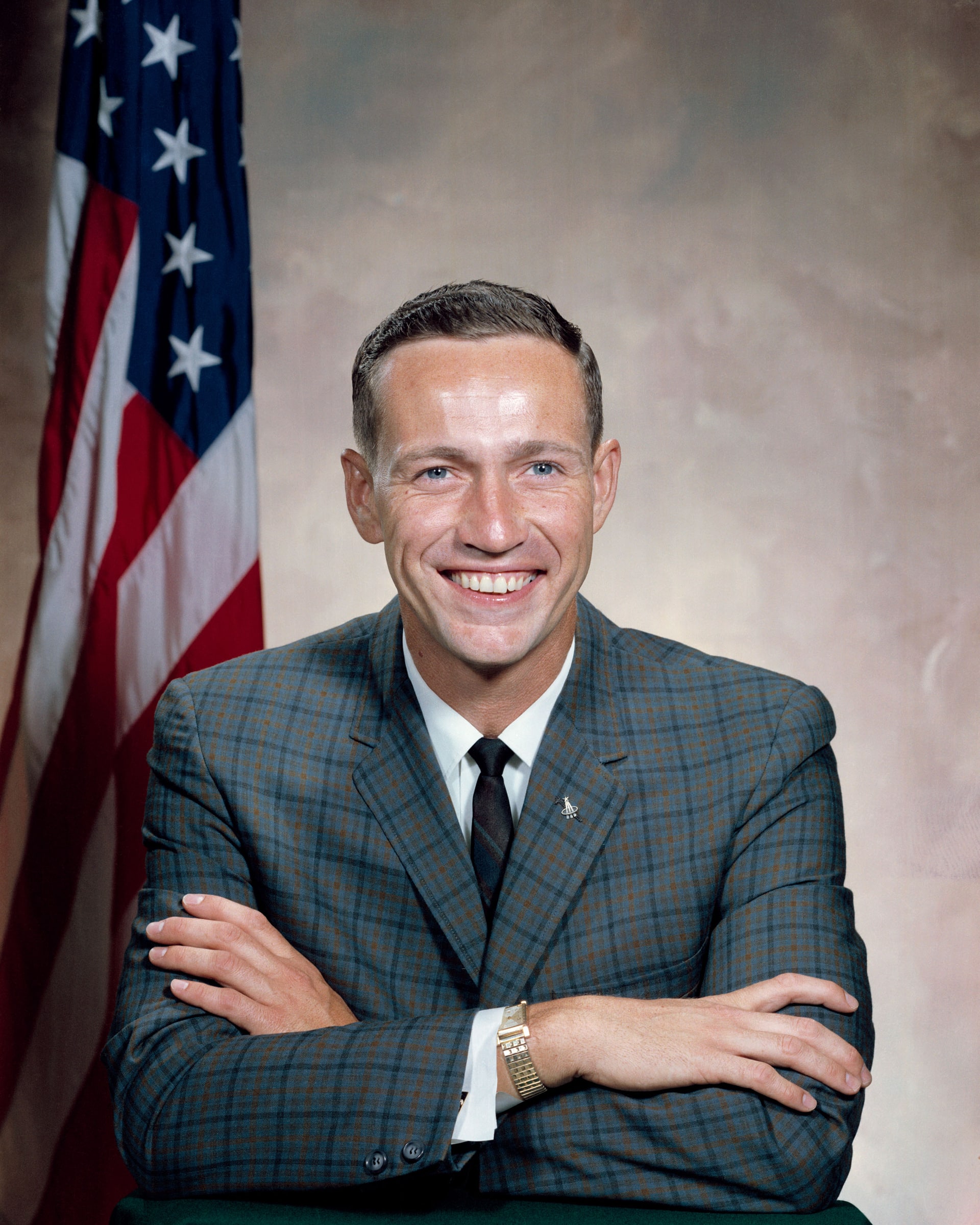
Donn F. Eisele
Donn Fulton Eisele was an Air Force officer, test pilot, and Apollo astronaut who helped return the program to flight after the Apollo 1 fire. Born in Ohio, he graduated from the United States Naval Academy, chose an Air Force commission, and later earned a master's degree in astronautics from the Air Force Institute of Technology. NASA selected him in Astronaut Group 3 in 1963.
- Born
- June 23, 1930
- Died
- December 2, 1987
- Birthplace
- Columbus, Ohio,United States
Flights
1
Spacewalks
0
EVA time
N/A
In space
10 days, 20 hours, 8 minutes
Bio
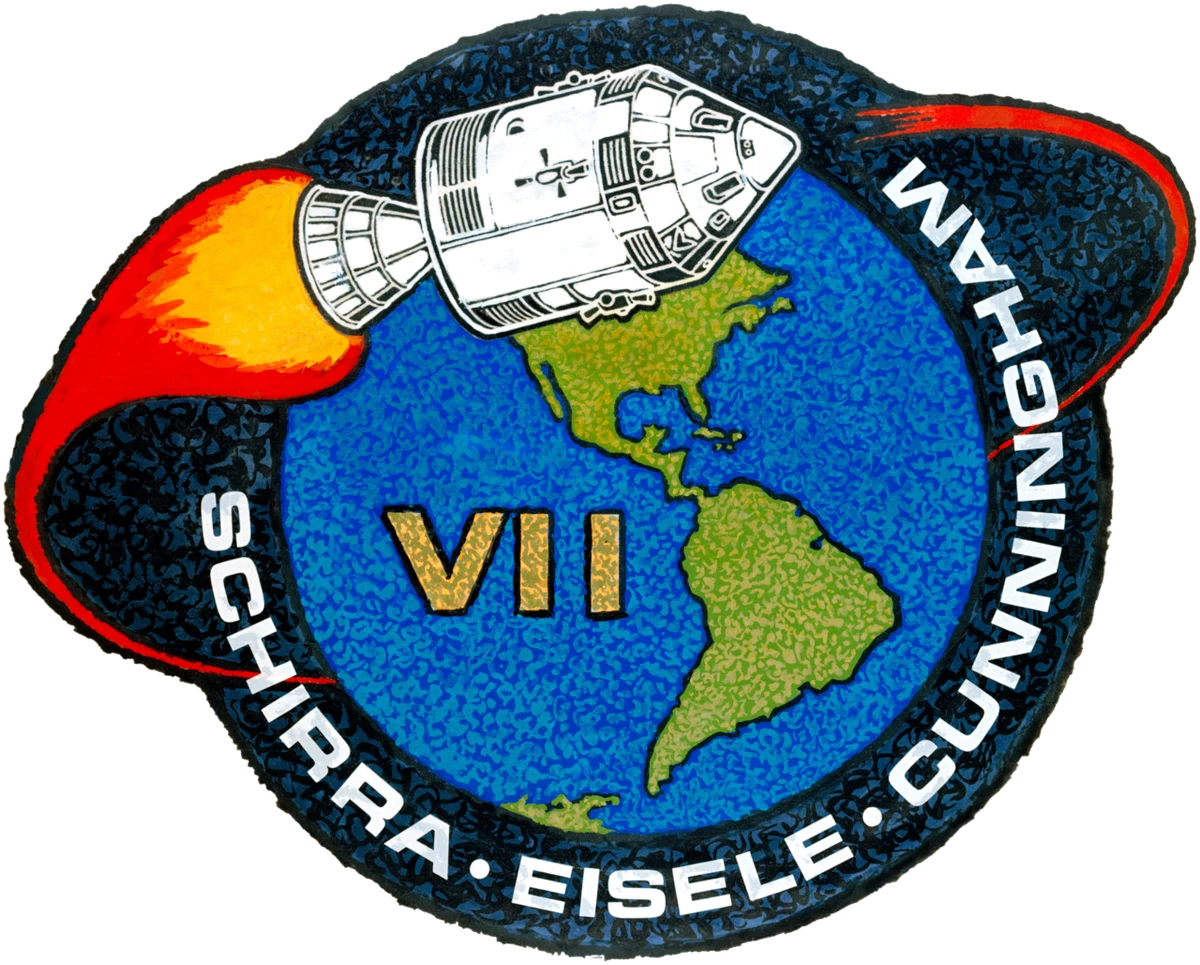
Eisele flew as Command Module Pilot on Apollo 7, the first crewed Apollo mission. The flight tested the redesigned command and in Earth orbit after the deaths of Gus Grissom, Ed White, and Roger Chaffee. Working with Wally Schirra and Walter Cunningham, Eisele helped prove that Apollo could support a crew for a mission long enough to clear the way for lunar flights.
Apollo 7 was not glamorous in the way later Moon missions were, but it was essential. The spacecraft had to work, the procedures had to hold, and NASA needed confidence before sending Apollo 8 to the Moon. After his astronaut career, Eisele retired from NASA and the Air Force and later served as Peace Corps country director in Thailand.
Eisele's background fit the broader pattern of the early astronaut corps: technical training, operational discipline, and a career built around difficult work before spaceflight. His formal education included United States Naval Academy (B.S. Aeronautics, 1952), and Air Force Institute of Technology (M.S. Astronautics, 1960). His service background is recorded as Colonel, United States Air Force. His personal record also sits alongside a family life recorded as two marriages, six children, a reminder that these careers unfolded within ordinary lives as well as national history.
Eisele's flown space career centered on Apollo 7, where he served as Command Module Pilot. First crewed Apollo flight and first crewed test of the Block II command and service module in Earth orbit. The mission proved the redesigned Apollo spacecraft could support a crew for a lunar-mission-length flight and cleared the way for Apollo 8.