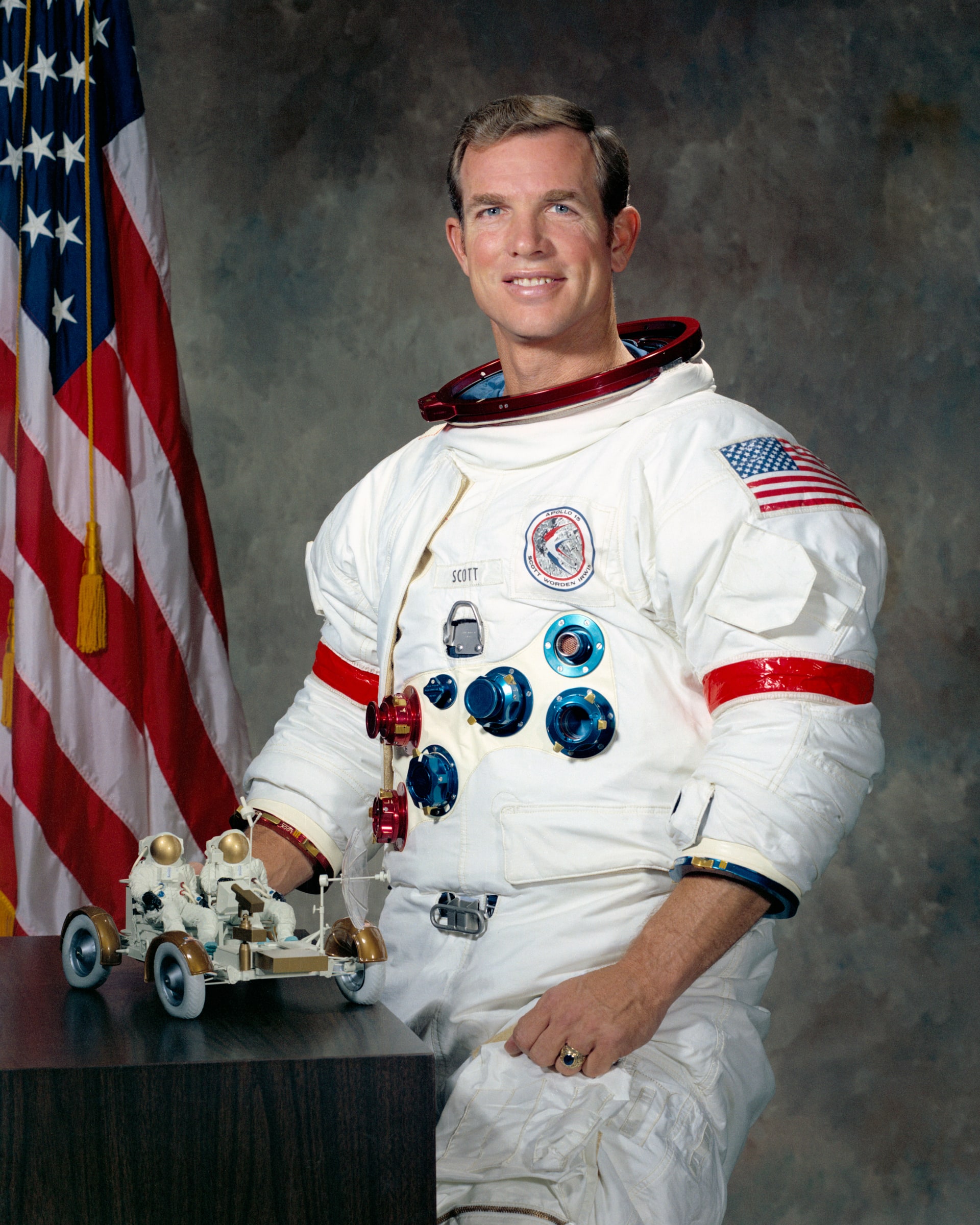
David R. Scott
David Randolph Scott was an Air Force test pilot and NASA astronaut whose career moved from Gemini crisis response to one of Apollo's richest scientific . Born in Texas and raised in a military family, he graduated from the United States Military Academy and later earned advanced degrees at MIT. NASA selected him in Astronaut Group 3 in 1963.
- Born
- June 6, 1932
- Died
- N/A
- Birthplace
- San Antonio, Texas,United States
Flights
3
Spacewalks
5
EVA time
20 hours, 46 minutes
In space
22 days, 18 hours, 54 minutes

Bio
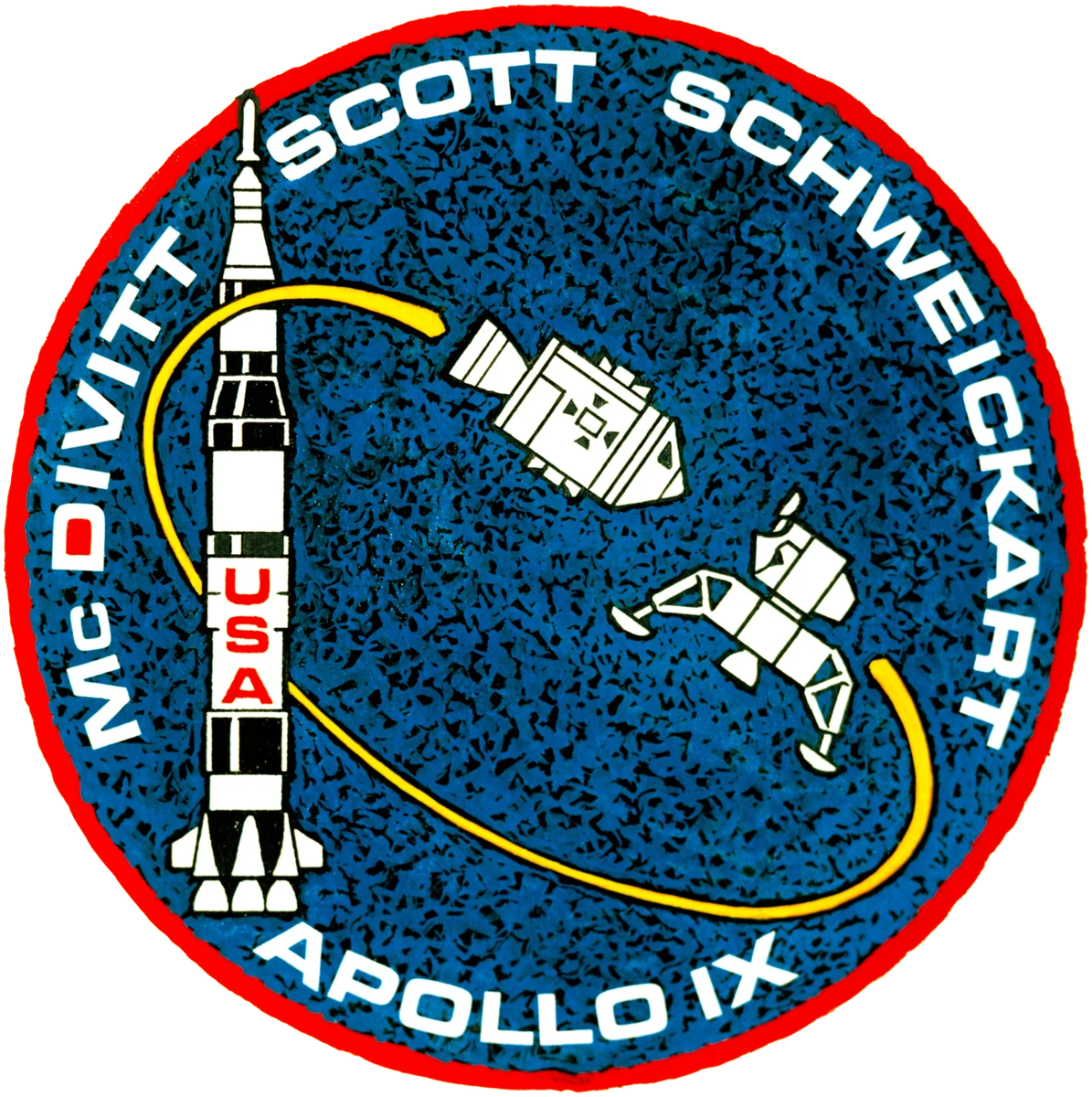
Scott first flew on Gemini 8 with Neil Armstrong. The mission achieved the first docking of two spacecraft in orbit, then quickly became an emergency when a stuck thruster sent the docked vehicles into a dangerous roll. Armstrong and Scott recovered control and returned safely, giving NASA a hard lesson in spacecraft failure response. Scott later flew as Command Module Pilot on Apollo 9, the first crewed test of the full Apollo spacecraft stack in Earth orbit.
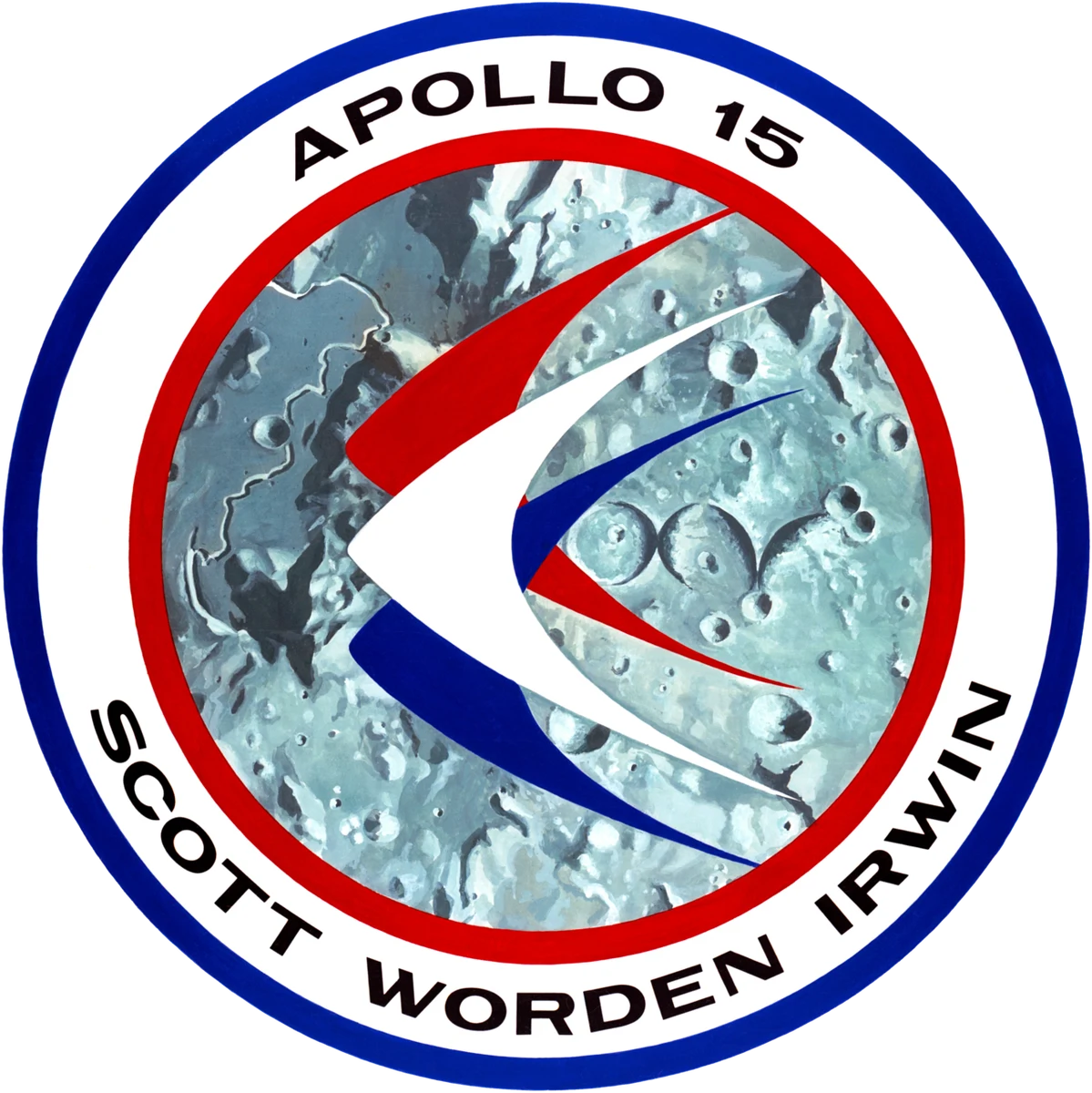
Scott commanded Apollo 15, the first extended J-series lunar landing. With James Irwin, he explored Hadley-Apennine using the first Lunar Roving Vehicle, conducted geology traverses, and helped shift Apollo toward deeper scientific fieldwork. His hammer-and-feather demonstration on the Moon became one of the program's memorable public science moments. After Apollo, Scott served in NASA management and later worked as an author and consultant.
Scott's background fit the broader pattern of the early astronaut corps: technical training, operational discipline, and a career built around difficult work before spaceflight. His formal education included United States Military Academy (B.S. Military Science, 1954), and Massachusetts Institute of Technology (M.S. Aeronautics and Astronautics, Engineer in Aeronautics and Astronautics, 1962). His service background is recorded as Colonel, United States Air Force. His personal record also sits alongside a family life recorded as two marriages, two children, a reminder that these careers unfolded within ordinary lives as well as national history.