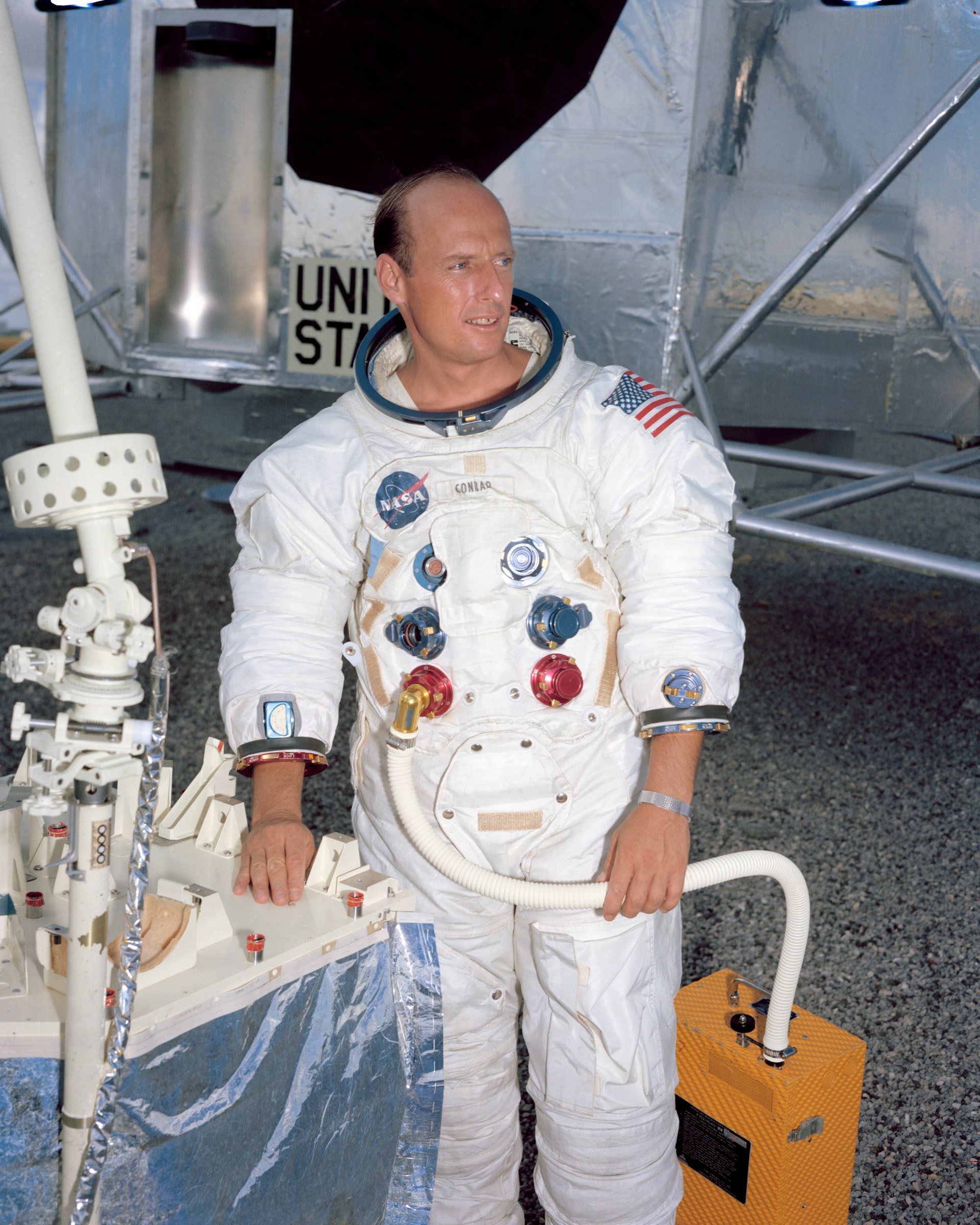
Charles Conrad Jr.
Charles "Pete" Conrad Jr. was a naval aviator, test pilot, and one of NASA's most experienced early astronauts. Born in Pennsylvania, he studied aeronautical engineering at Princeton before entering the United States Navy. Known for his confidence, humor, and sharp flying skills, Conrad joined NASA's second astronaut group in 1962 and became a key figure across Gemini, Apollo, and Skylab.
- Born
- June 2, 1930
- Died
- July 8, 1999
- Birthplace
- Philadelphia, Pennsylvania,United States
Flights
4
Spacewalks
4
EVA time
12 hours, 46 minutes
In space
49 days, 3 hours, 38 minutes
Bio
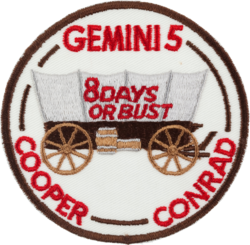
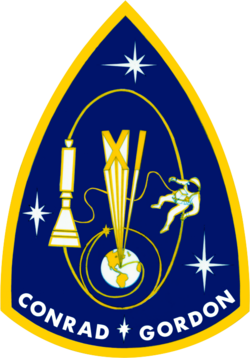
Conrad first flew on Gemini 5 with Gordon Cooper, proving that crews could remain in space long enough for a lunar mission. He later commanded Gemini 11, reaching a record high Earth orbit and conducting , docking, and operations with Richard Gordon. Those flights helped build the operational confidence Apollo would need.
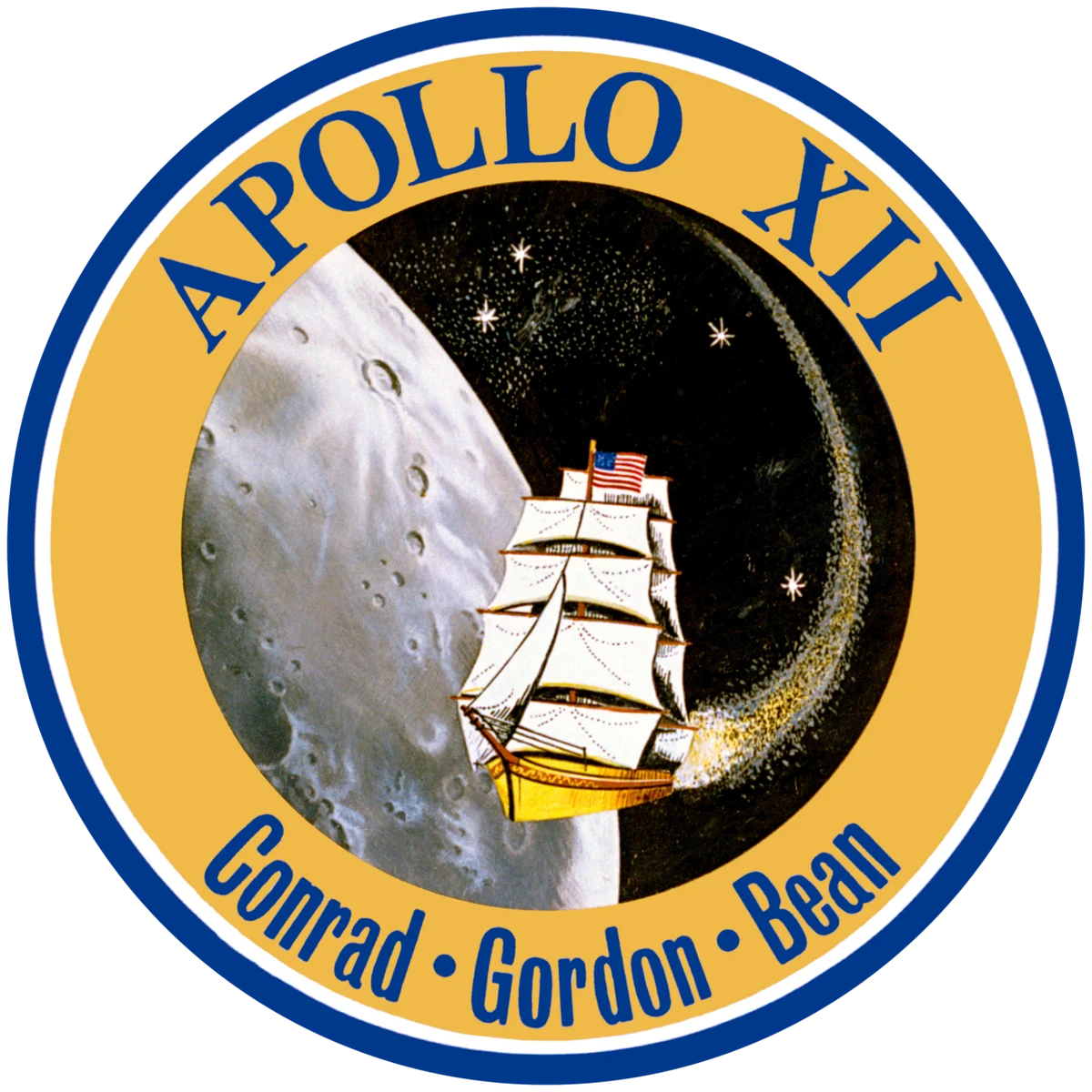
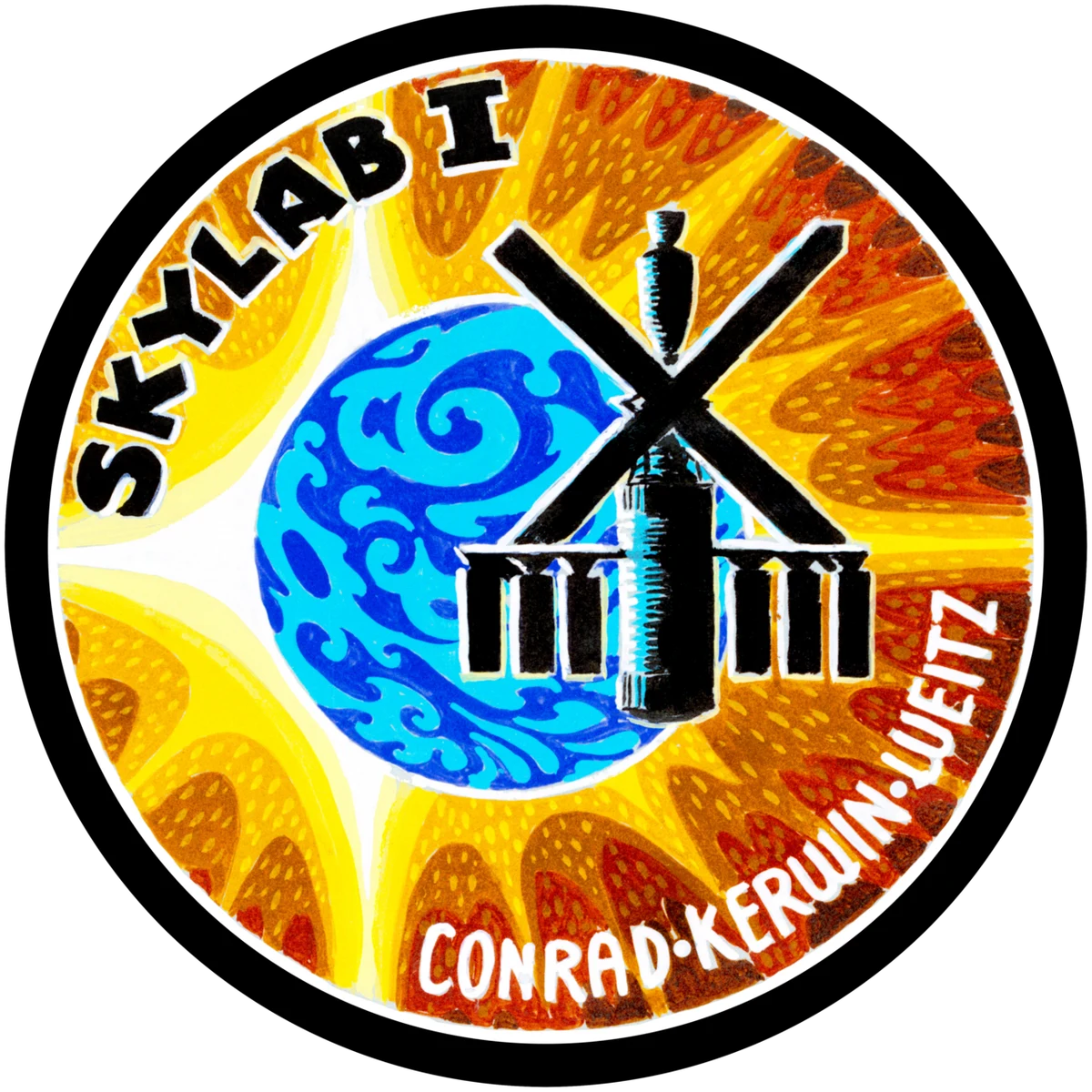
As of Apollo 12, Conrad became the third person to walk on the Moon. He and Alan Bean landed near Surveyor 3 in the Ocean of Storms, demonstrating precision landing and returning parts of the robotic spacecraft for study. Conrad later commanded Skylab 2, the first crewed mission to the damaged , where his crew helped save the workshop by performing critical repairs. His career joined technical skill with a famously irreverent personality.
Conrad's background fit the broader pattern of the early astronaut corps: technical training, operational discipline, and a career built around difficult work before spaceflight. His formal education included Princeton University (B.S. Aeronautical Engineering, 1953). His service background is recorded as Captain, United States Navy. His personal record also sits alongside a family life recorded as two marriages, four children, a reminder that these careers unfolded within ordinary lives as well as national history.