
Edwin Eugene Aldrin Jr.
Edwin Eugene "Buzz" Aldrin Jr. was an Air Force fighter pilot, engineer, astronaut, and one of the most recognizable figures in the history of lunar exploration. Born in New Jersey, he graduated from the United States Military Academy, flew combat missions during the Korean War, and later earned a doctorate from MIT with work focused on crewed orbital . That expertise gave him the nickname "Dr. Rendezvous" and made him especially valuable during Gemini and Apollo planning.
- Born
- January 20, 1930
- Died
- N/A
- Birthplace
- Glen Ridge, New Jersey,United States
Flights
2
Spacewalks
4
EVA time
7 hours, 52 minutes
In space
12 days, 1 hour, 53 minutes, 12 days, 1 hour, 55 minutes
Bio
Aldrin flew Gemini 12 with Jim Lovell in 1966, helping solve the problems that had frustrated earlier Gemini missions. Using improved restraints, careful task planning, and underwater training, he showed that astronauts could work effectively outside a spacecraft. The mission helped close the Gemini program and gave NASA confidence in procedures needed for Apollo.
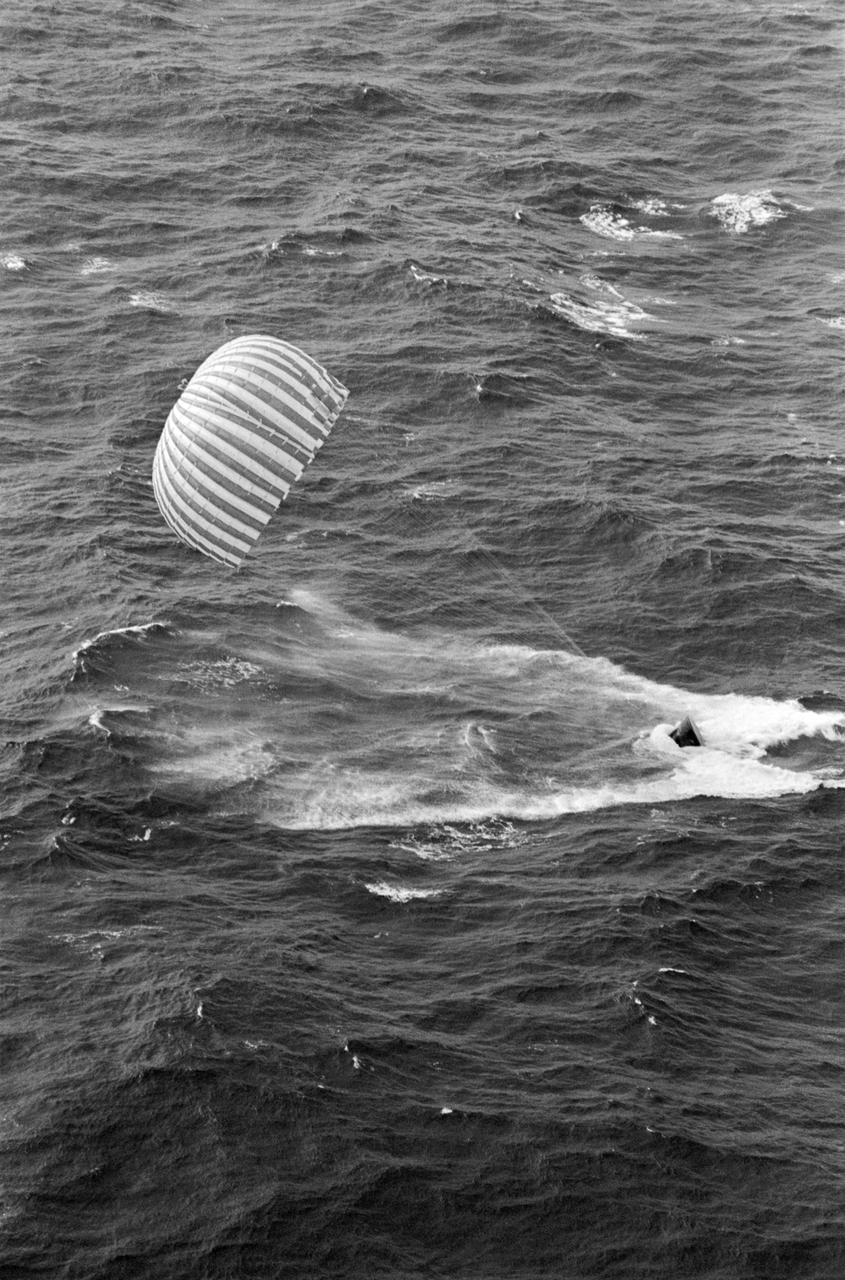
In 1969, Aldrin flew as Lunar Module Pilot on Apollo 11. After Neil Armstrong landed Eagle in the Sea of Tranquility, Aldrin became the second person to walk on the Moon. He helped deploy experiments, collect samples, photograph the landing site, and complete the first human exploration of another world. After leaving NASA, he remained a prominent advocate for space exploration, especially long-term human missions to Mars.
Aldrin's background fit the broader pattern of the early astronaut corps: technical training, operational discipline, and a career built around difficult work before spaceflight. His formal education included United States Military Academy (B.S. Mechanical Engineering, Graduated third in the class of 1951), and Massachusetts Institute of Technology (Doctor of Science in Astronautics, 1963). His service background is recorded as Colonel, United States Air Force. His personal record also sits alongside a family life recorded as four marriages, three children, a reminder that these careers unfolded within ordinary lives as well as national history.