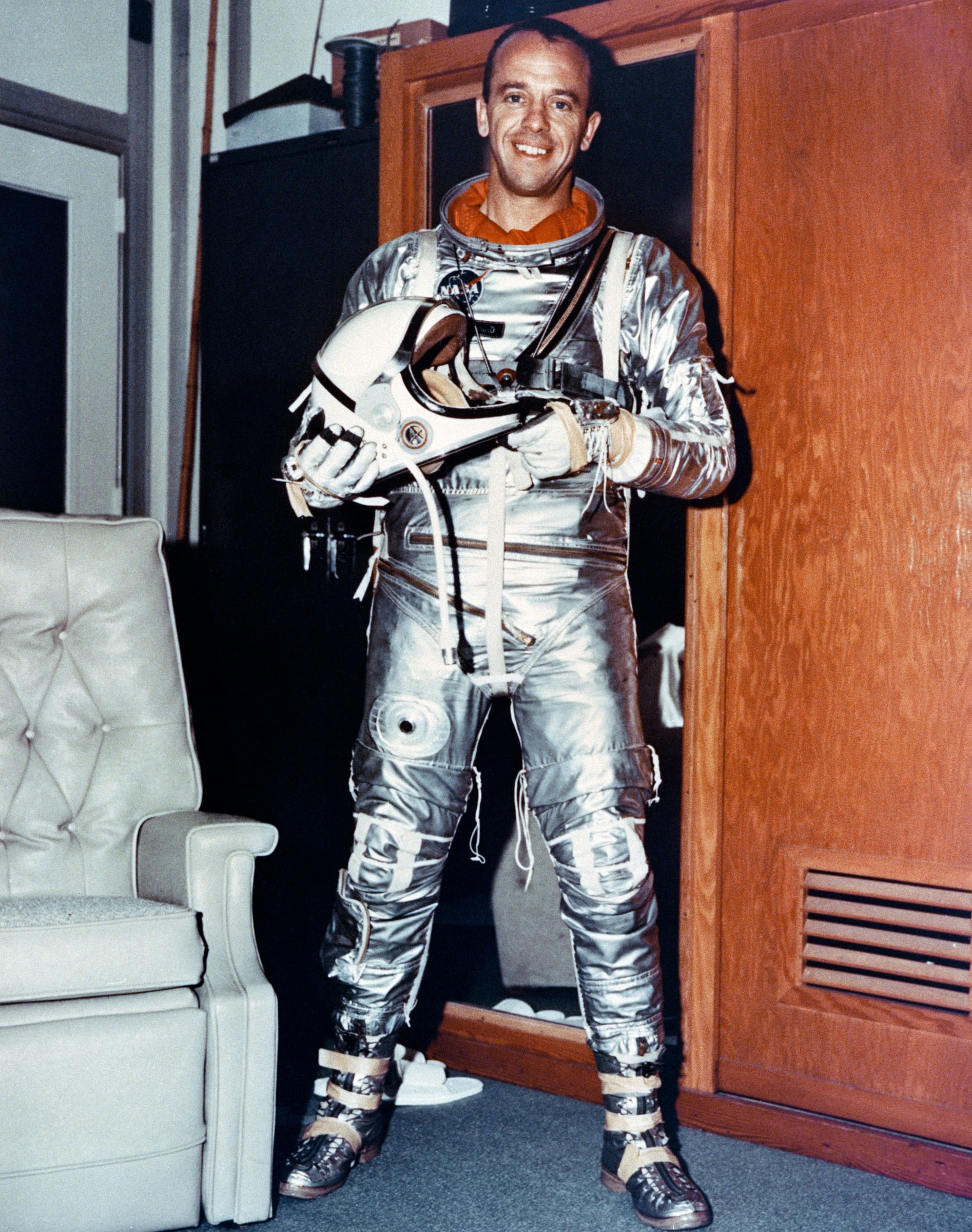
Alan Bartlett Shepard Jr.
Alan Bartlett Shepard Jr. was one of the original Mercury Seven astronauts and the first American to travel into space. Born in New Hampshire, he graduated from the United States Naval Academy during World War II and became a naval aviator and test pilot. His calm cockpit style and sharp flight-test record helped place him in NASA's first astronaut group in 1959, at the beginning of the United States human spaceflight program.
- Born
- November 18, 1923
- Died
- July 21, 1998
- Birthplace
- Derry, New Hampshire,United States
Flights
2
Spacewalks
2
EVA time
9 hours, 23 minutes
In space
9 days, 0 hours, 16 minutes
Bio
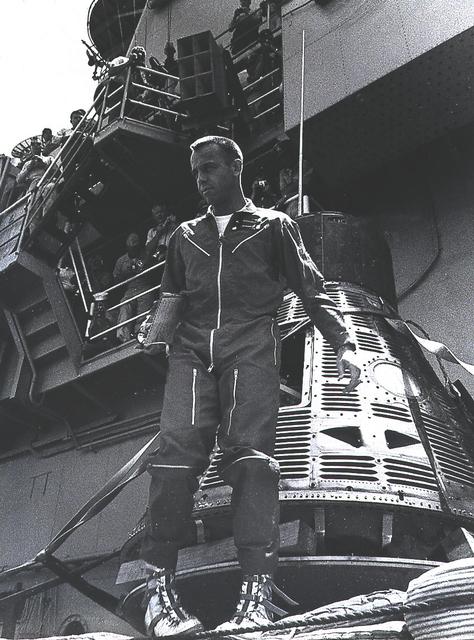
Shepard flew Freedom 7 on Mercury-Redstone 3 in 1961, a short suborbital flight that made him a national figure and proved the United States could send an astronaut into space and bring him home safely. He was later grounded by Meniere's disease, a serious inner-ear condition, and spent years in astronaut office leadership while fighting to return to flight status.
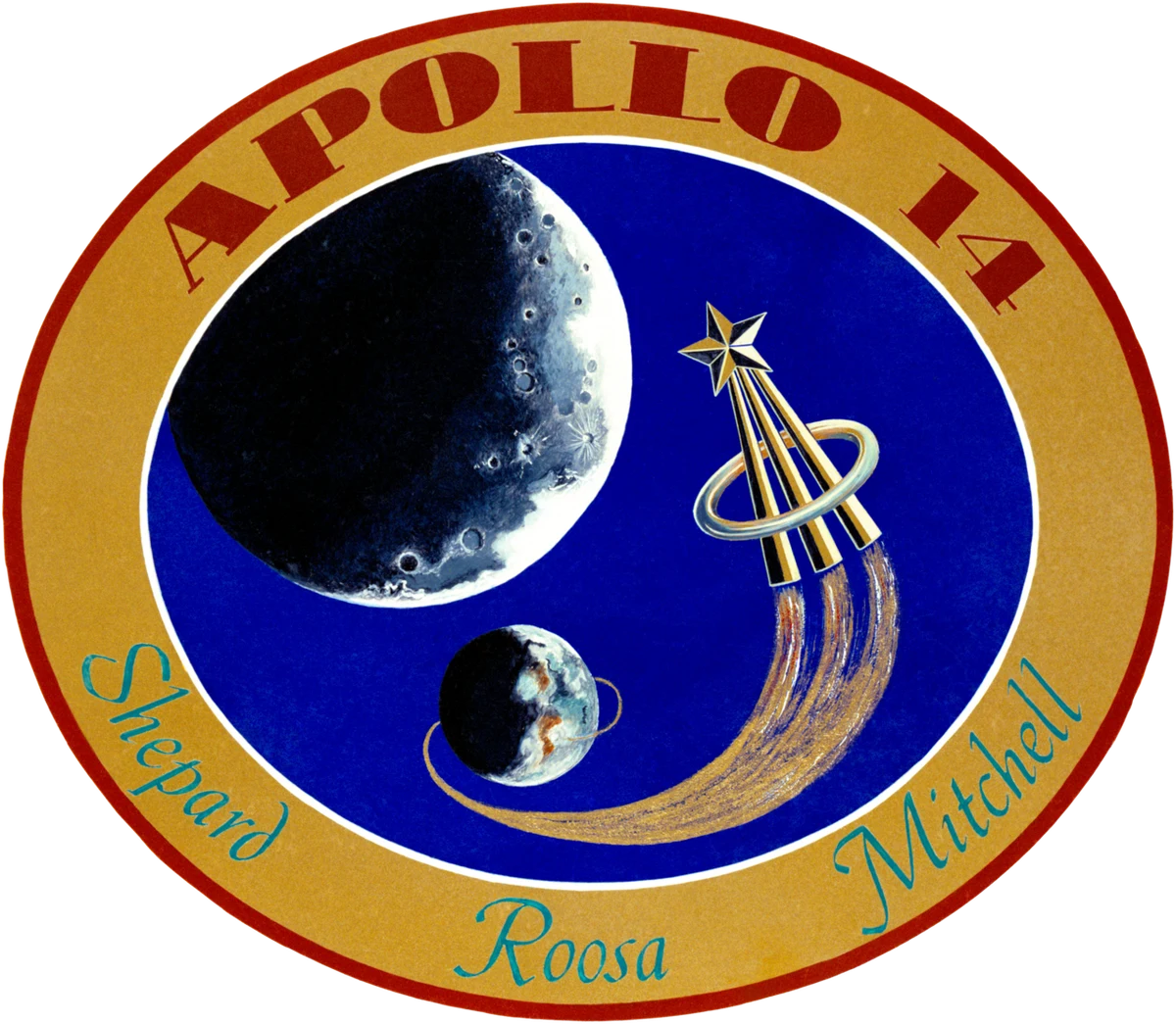
After surgery restored his flight eligibility, Shepard commanded Apollo 14 in 1971. He and Edgar Mitchell landed at Fra Mauro, completed two lunar surface , and collected samples from terrain originally assigned to Apollo 13. Shepard became the fifth person to walk on the Moon and the oldest Moonwalker of the Apollo era. After Apollo, he served as Chief of the Astronaut Office before retiring from NASA and the Navy in 1974.
Shepard's background fit the broader pattern of the early astronaut corps: technical training, operational discipline, and a career built around difficult work before spaceflight. His formal education included United States Naval Academy (B.S. Naval Science, 1944). His service background is recorded as Rear Admiral, United States Navy. His personal record also sits alongside a family life recorded as married, two children, raised niece as family, a reminder that these careers unfolded within ordinary lives as well as national history.
Shepard's flown space career centered on Apollo 14, where he served as . Third successful human lunar landing, targeted to the Fra Mauro highlands originally planned for Apollo 13. The crew conducted two lunar EVAs, deployed surface experiments, and returned highland samples from the Moon. The EVA record adds another layer to the mission: About 9 hours, 23 minutes with Edgar Mitchell across two lunar surface EVAs.